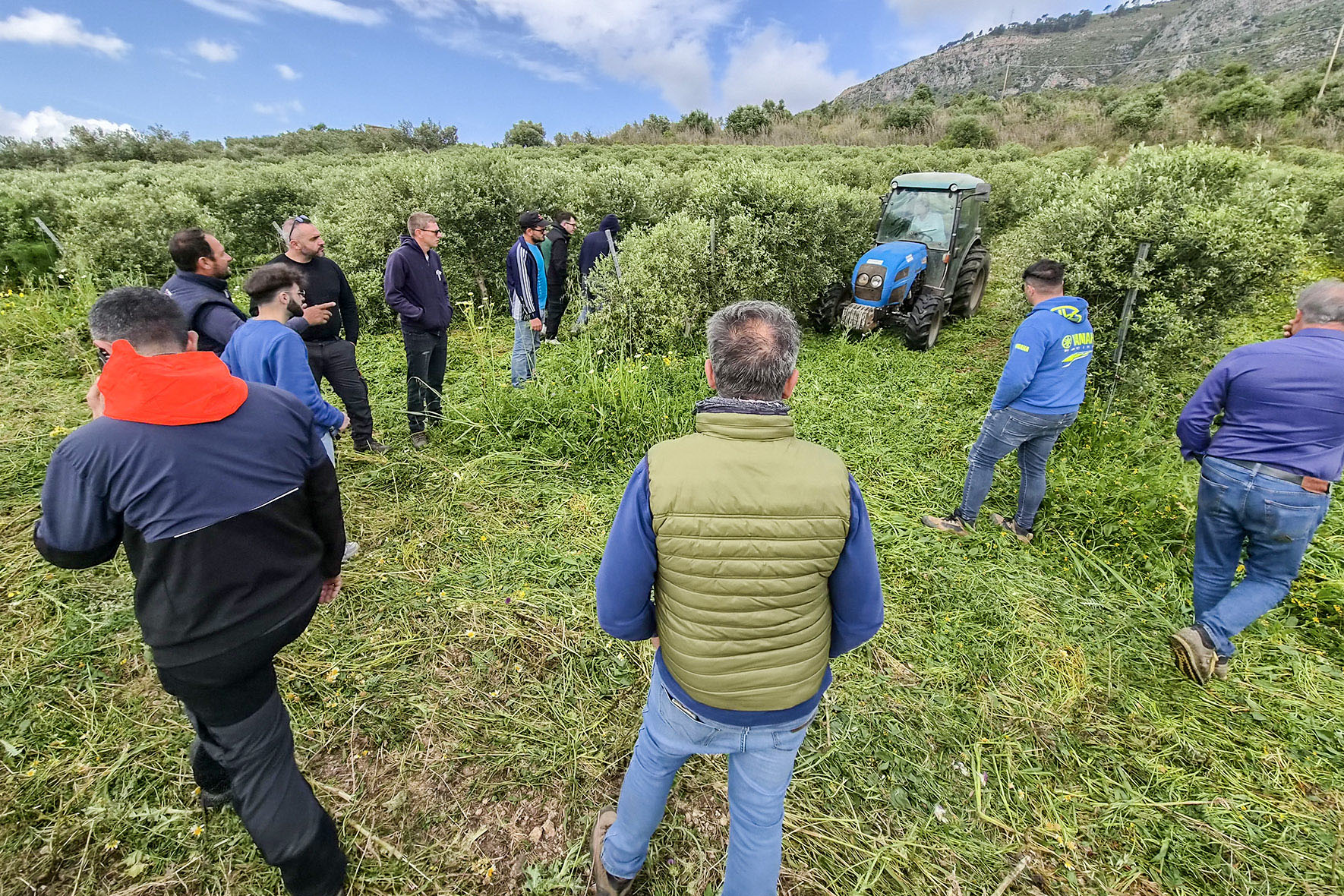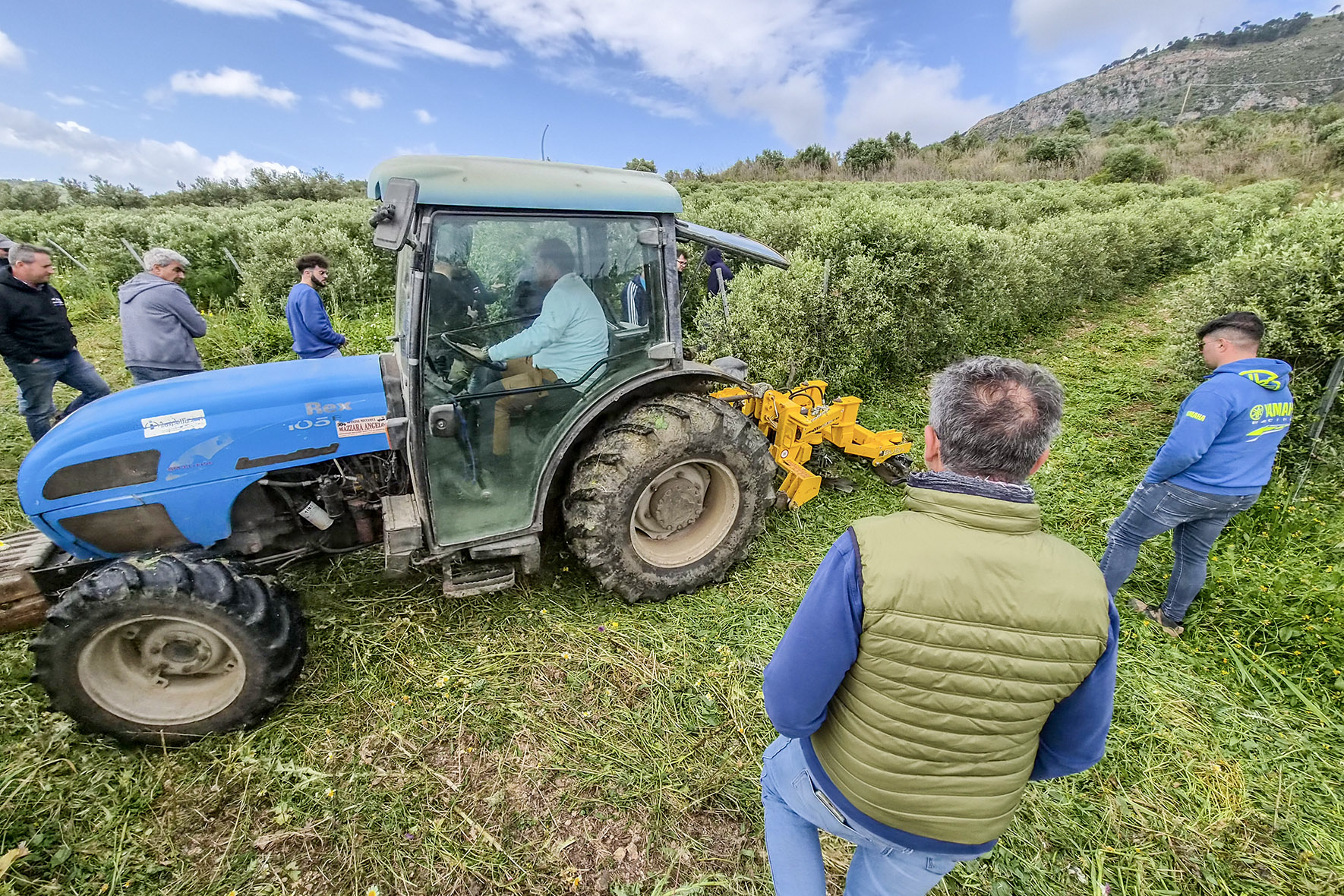
I visited a machine site worth sharing — this time BUSA GYMF made it all the way to Sicily.
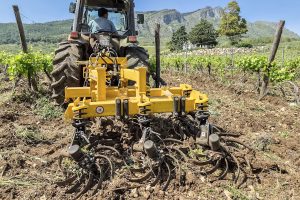
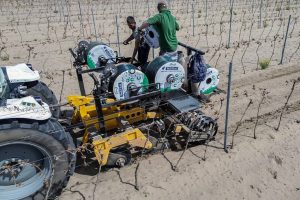
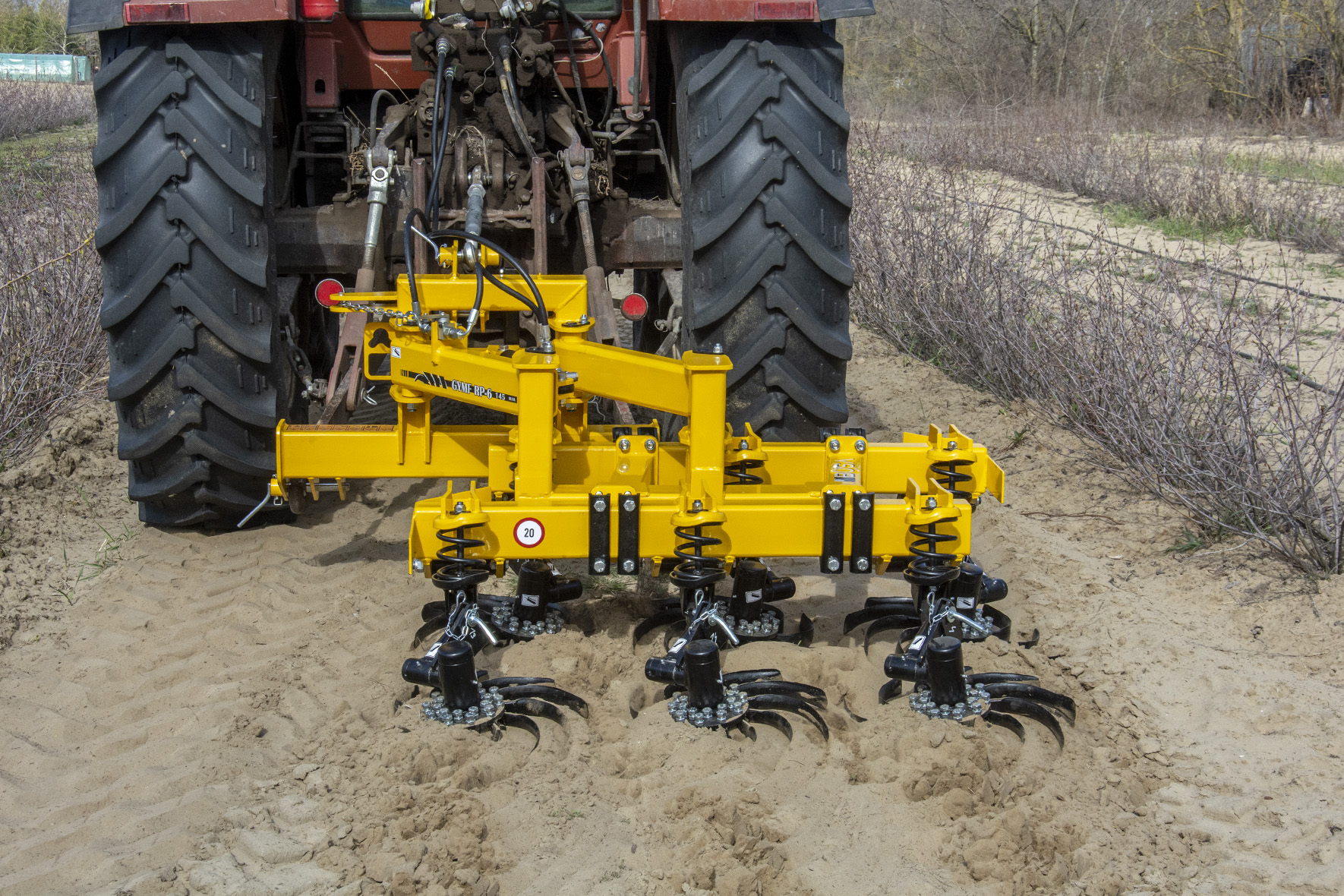
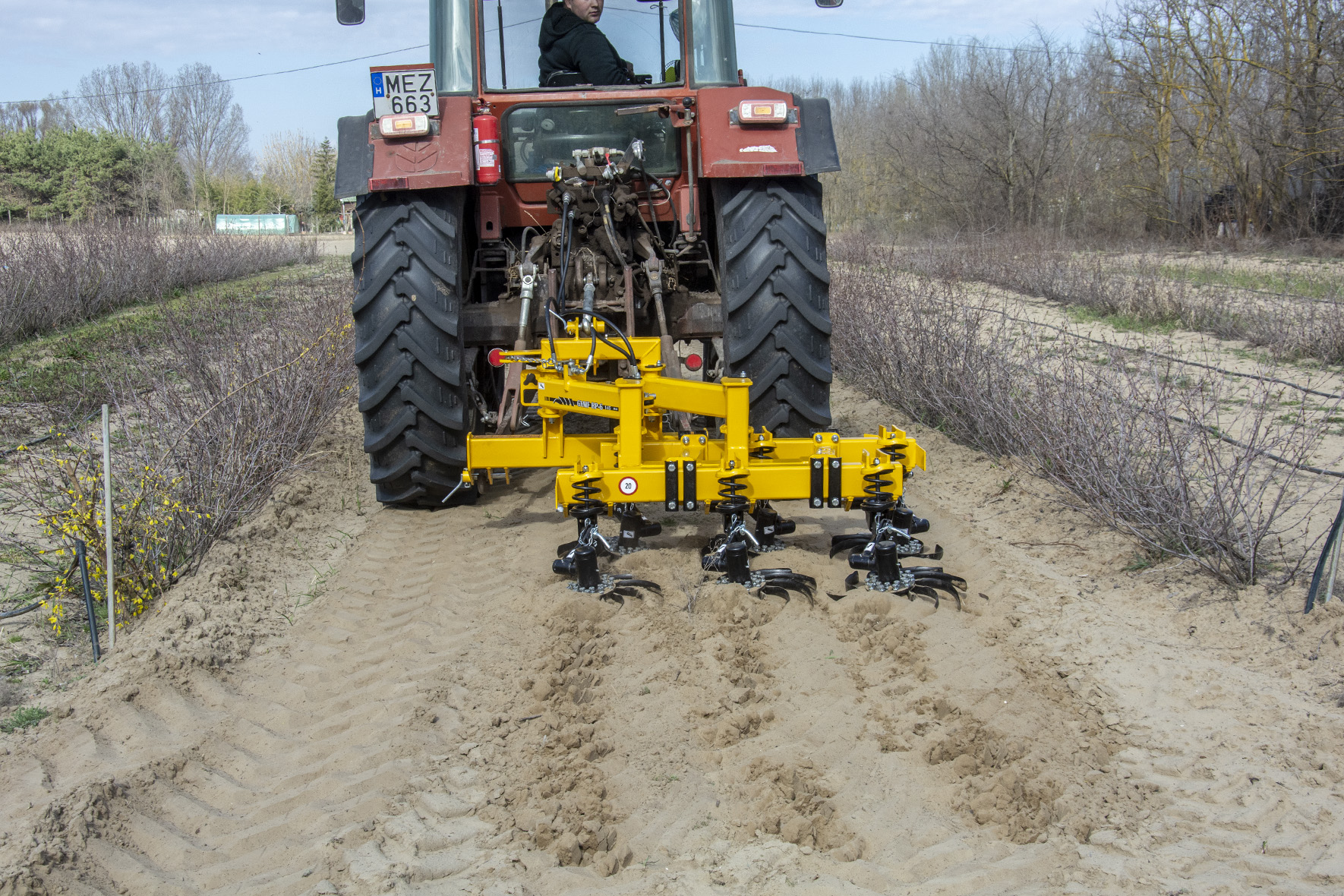
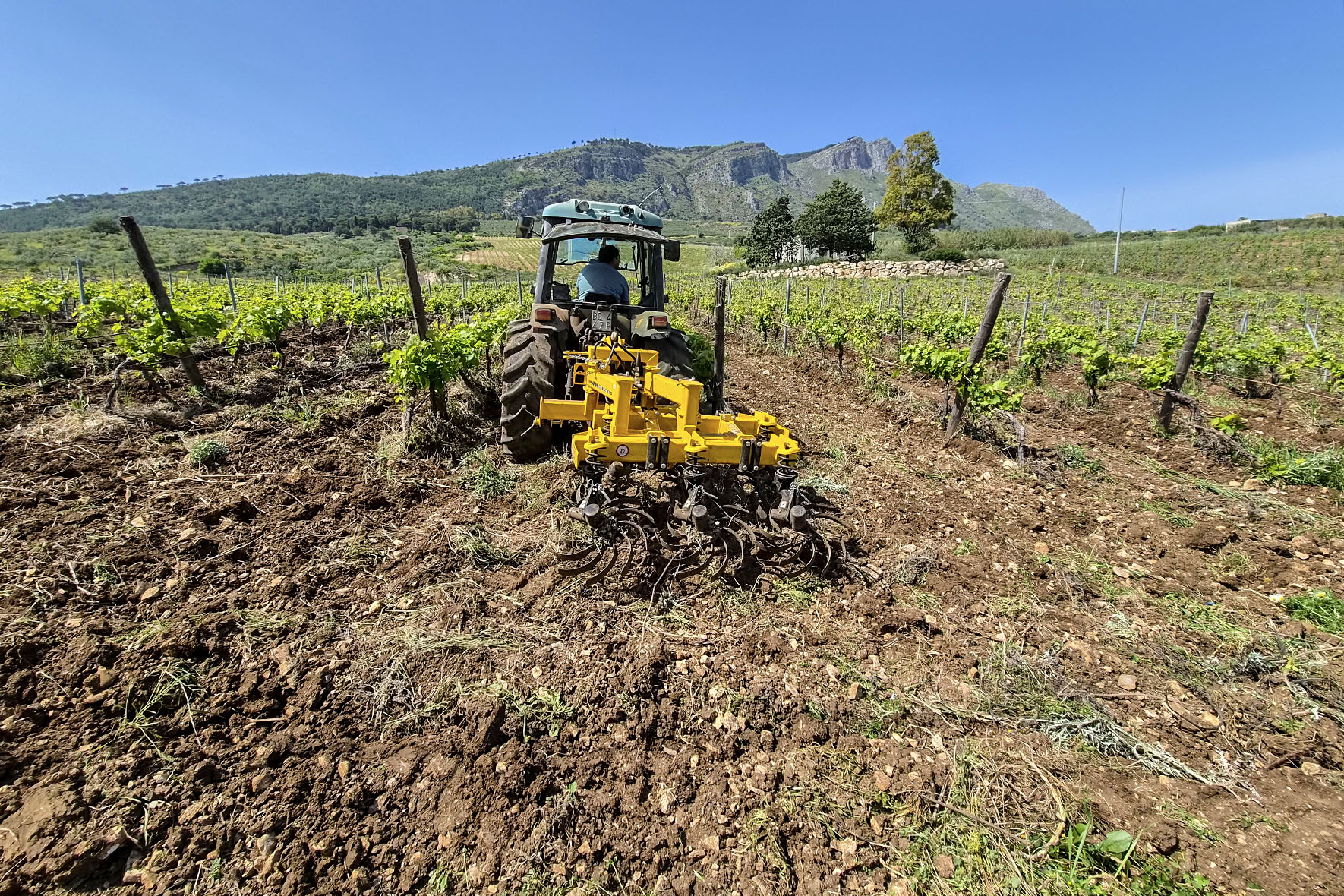
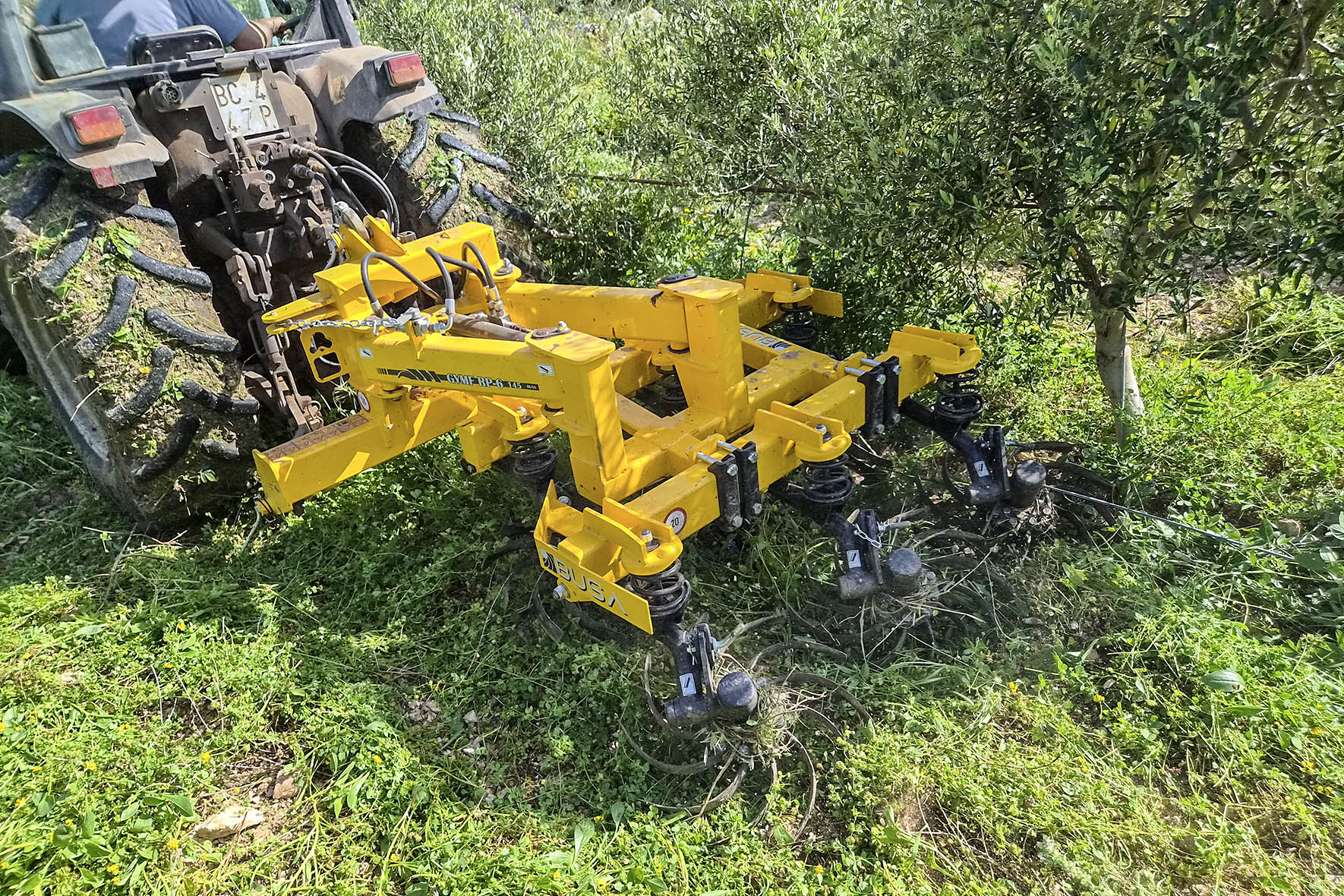
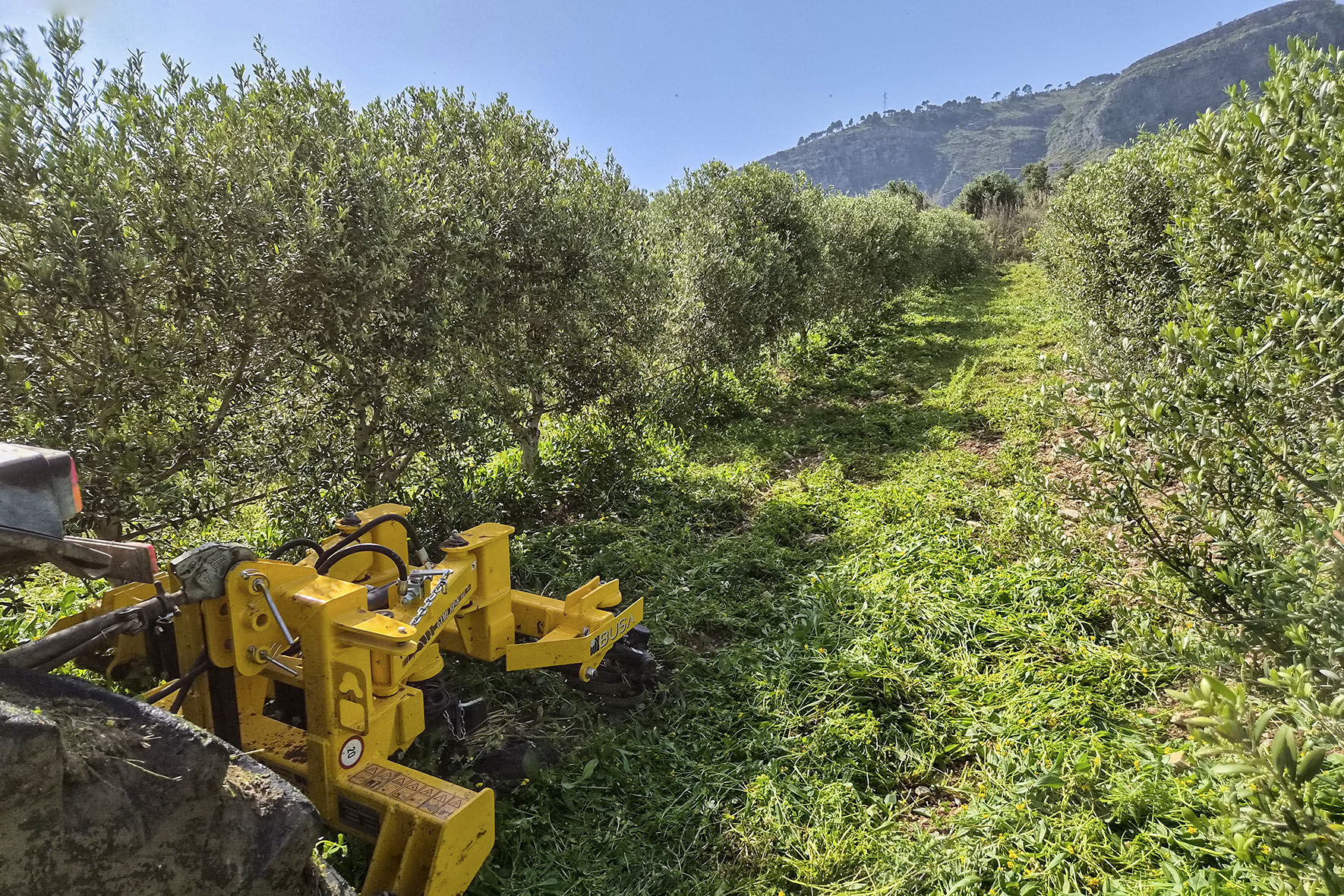
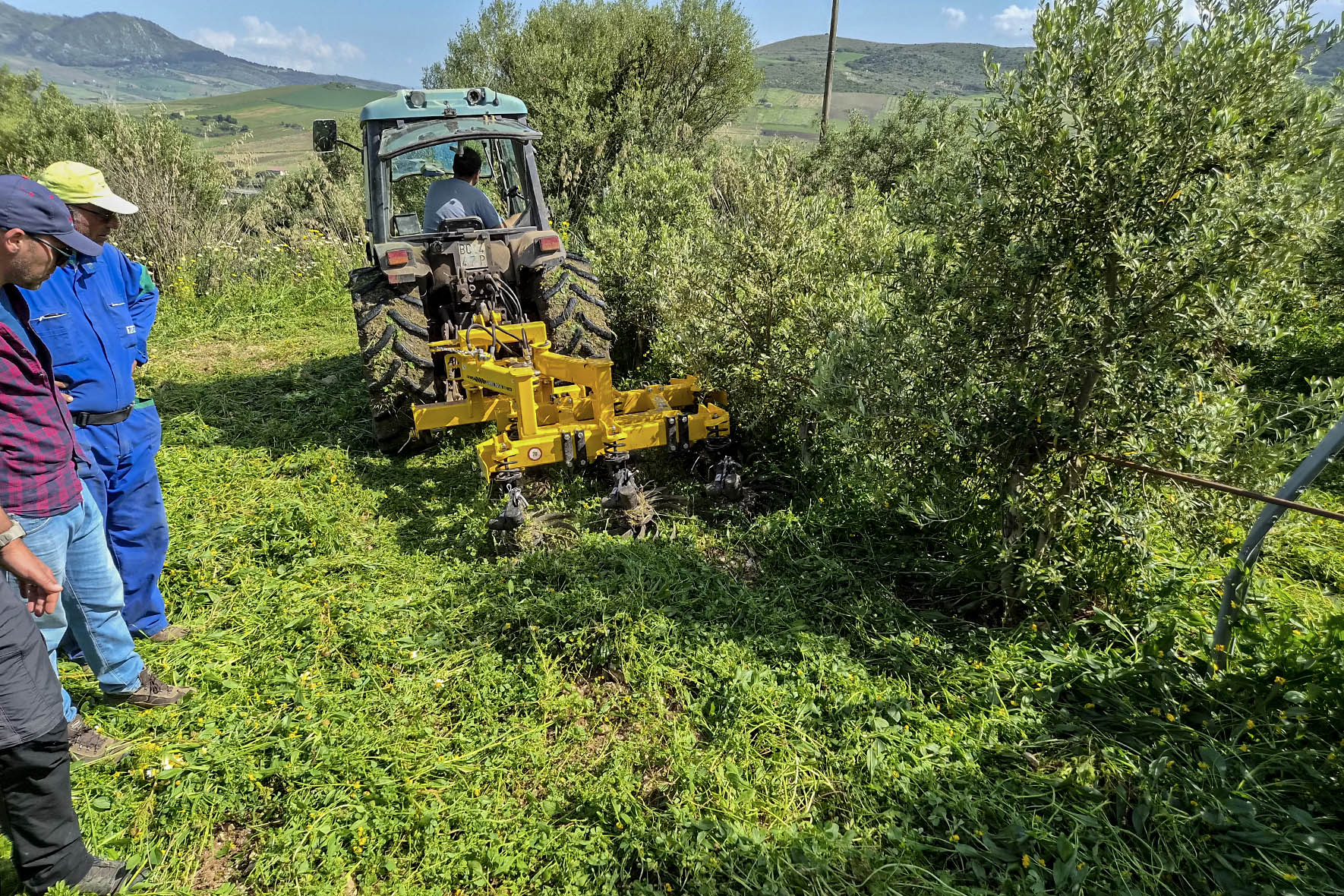
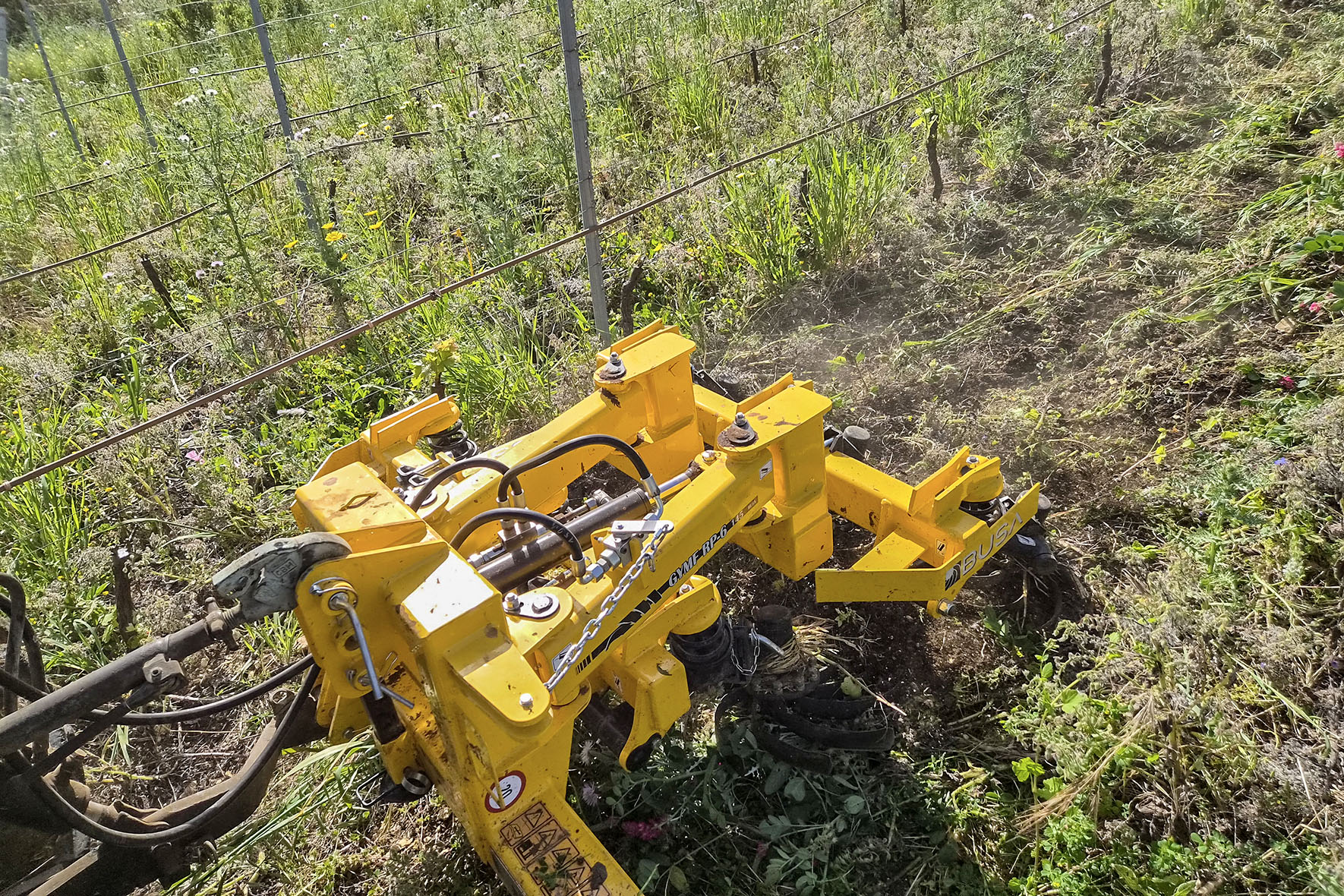
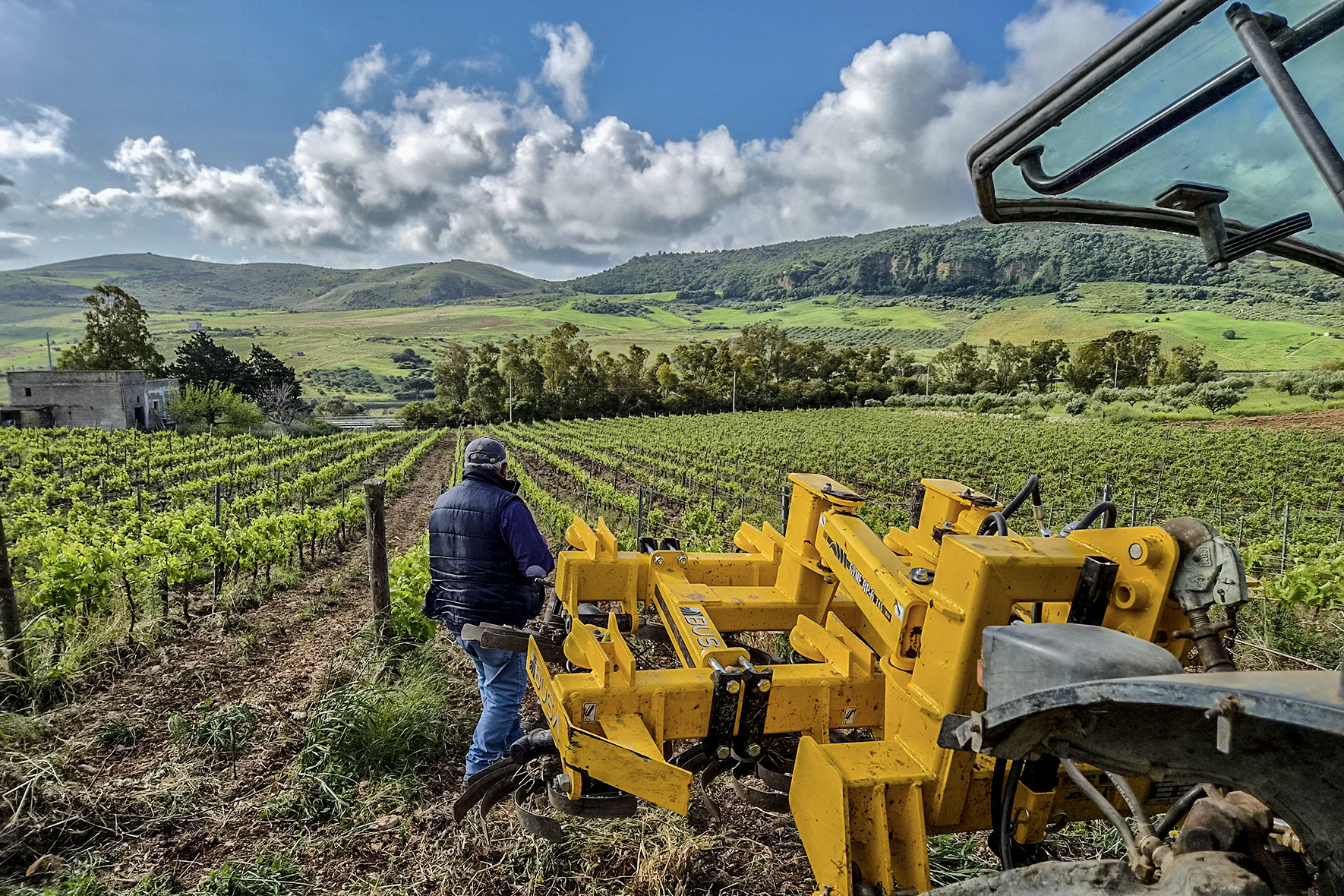
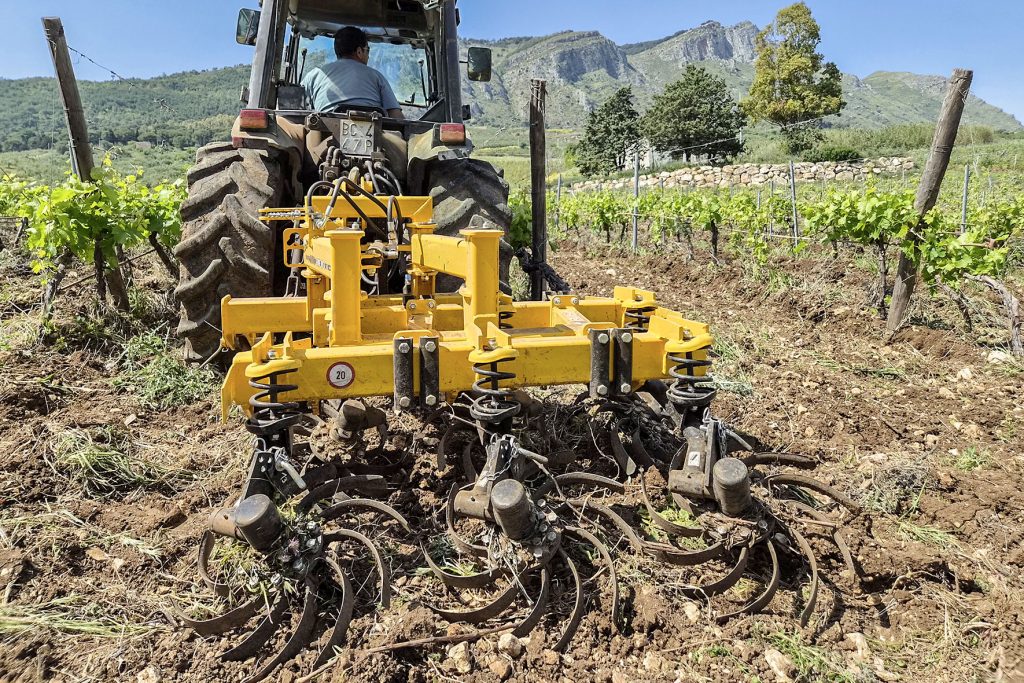
A new region always brings surprises, and the first machine delivered is always a major milestone. The local farms were looking for a mechanical weeder suitable for plantations, capable of treating the entire surface. Their choice fell on a solution that’s far from the simplest: the RP series, equipped with a parallel suspension system, can be shifted sideways, allowing it to adapt perfectly to the varying row widths and cultivation systems of the plantations.
We agreed that we would deliver the machine first and then return for the commissioning. It eventually worked out on the third attempt, because twice the sky practically fell the day before my departure. Climate change. In the first quarter alone, they already reached the previous annual rainfall average. Before I arrived, they had already tried the machine, but they saved the rougher terrain for me. After all, I should be the one to break the machine.
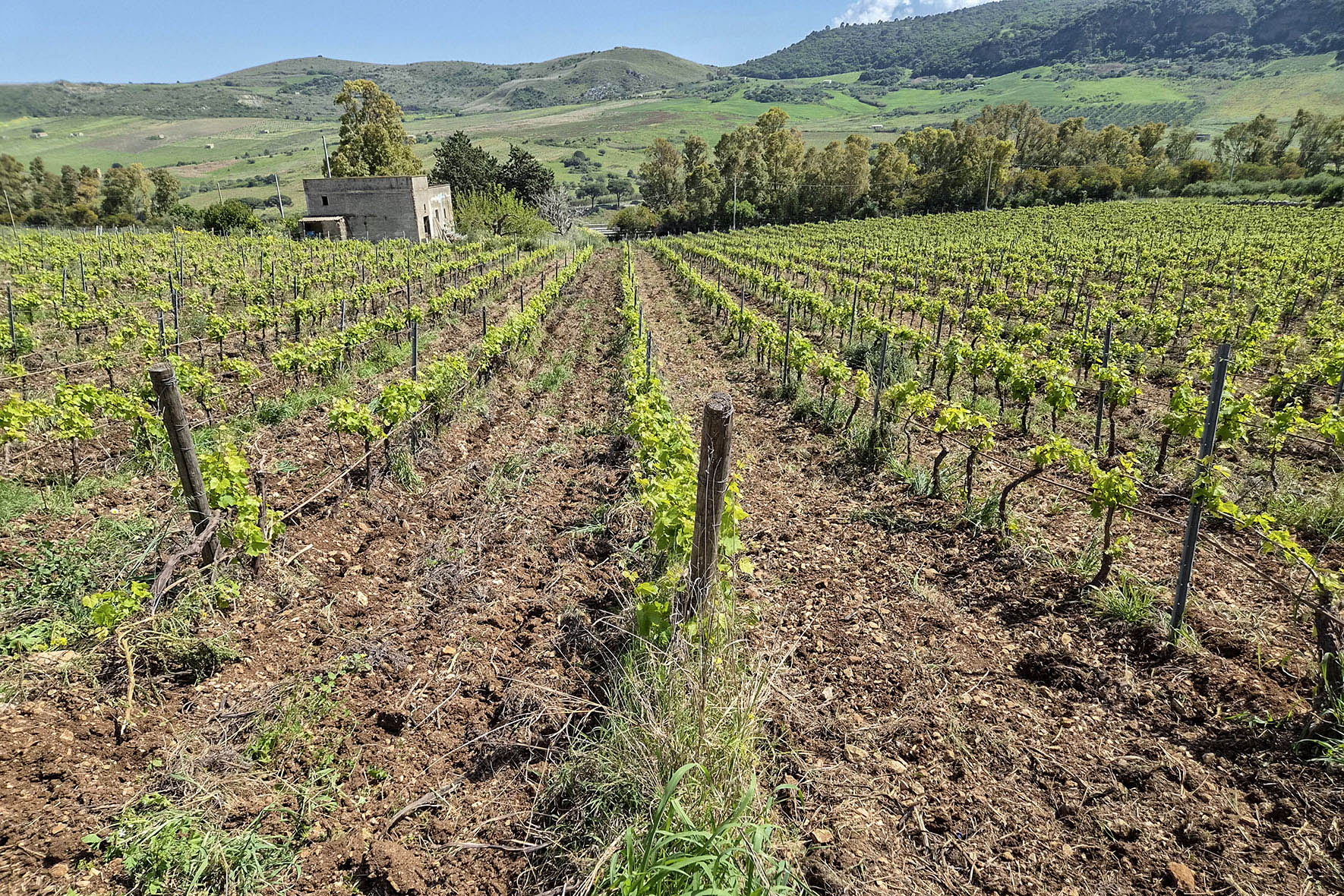
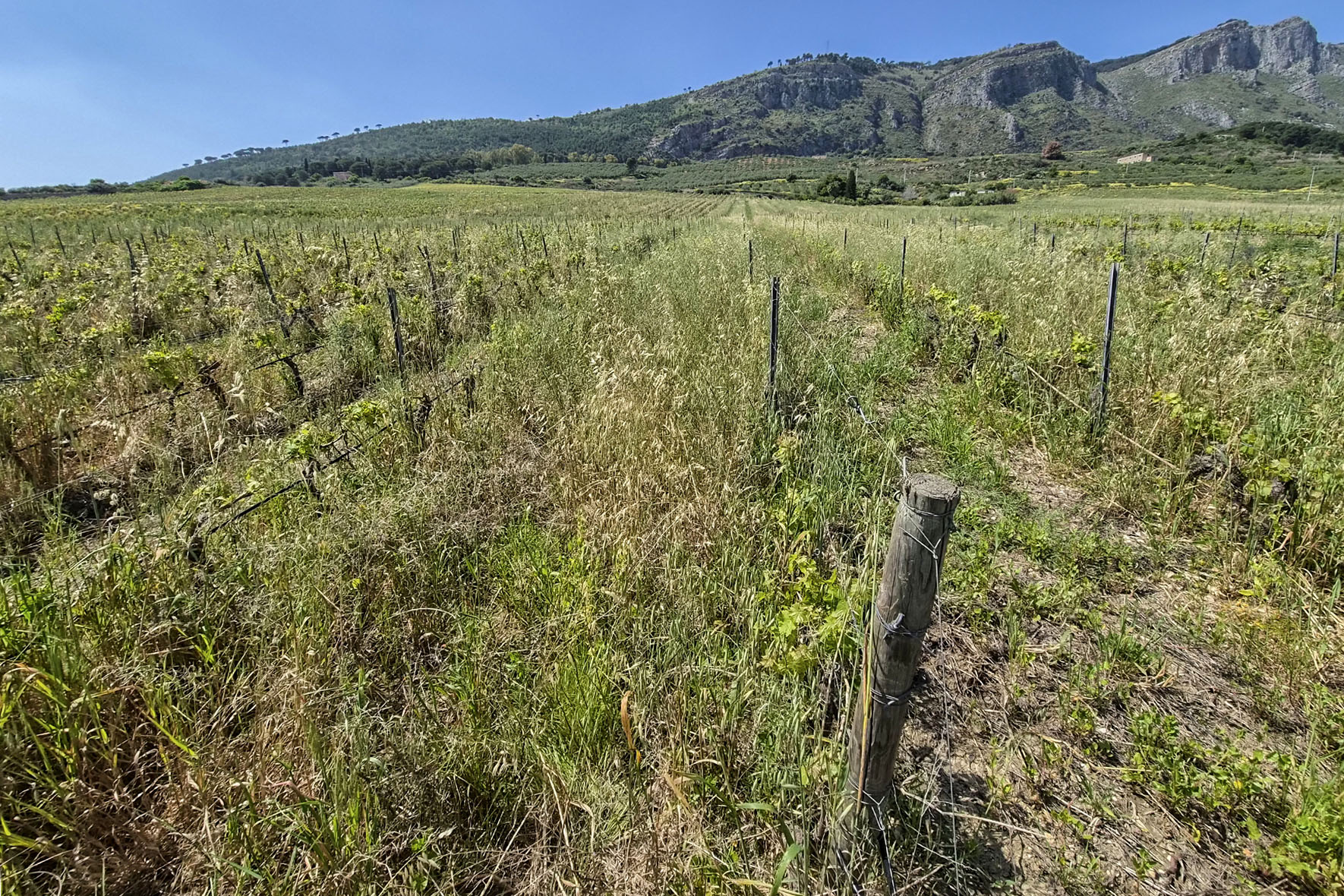
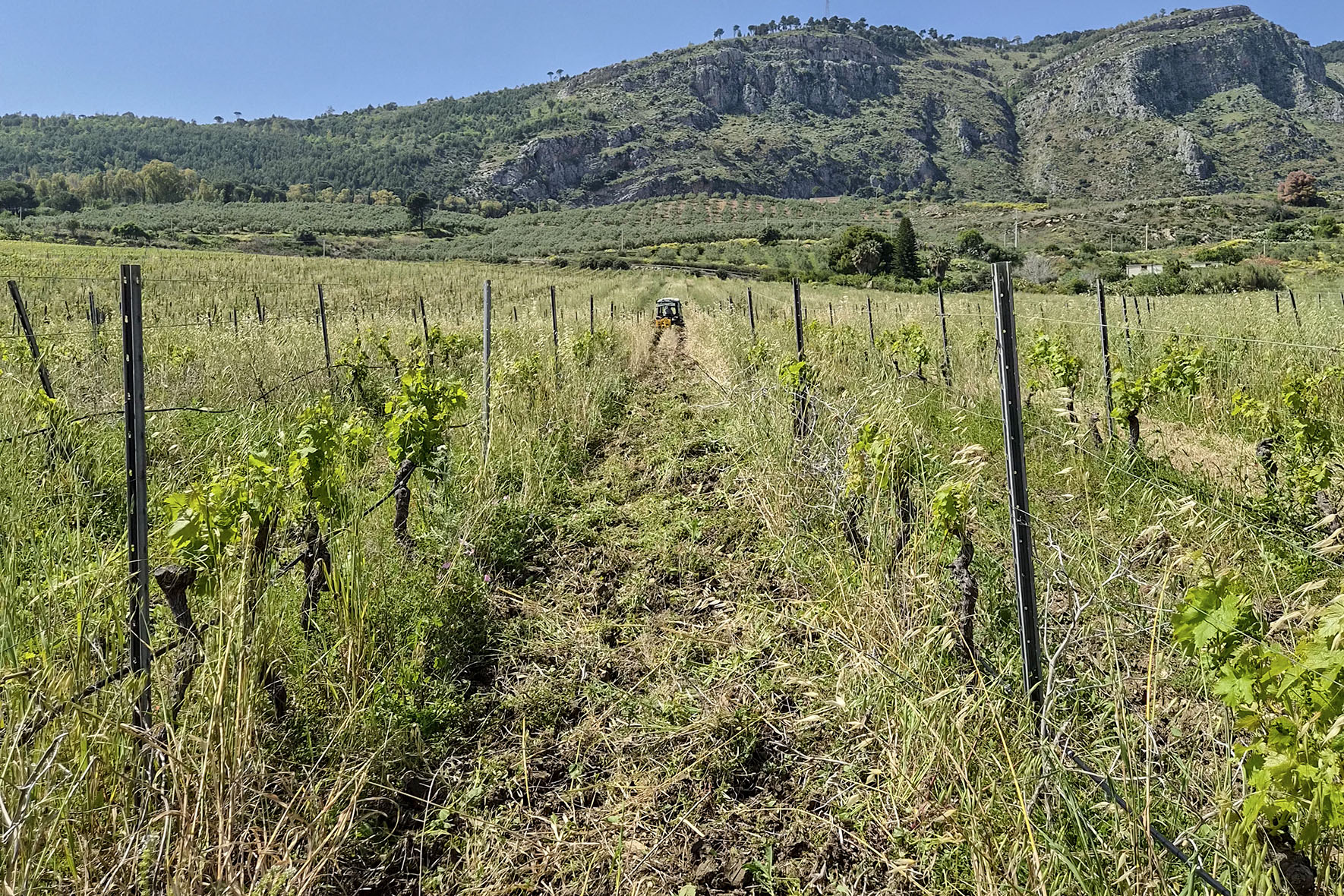
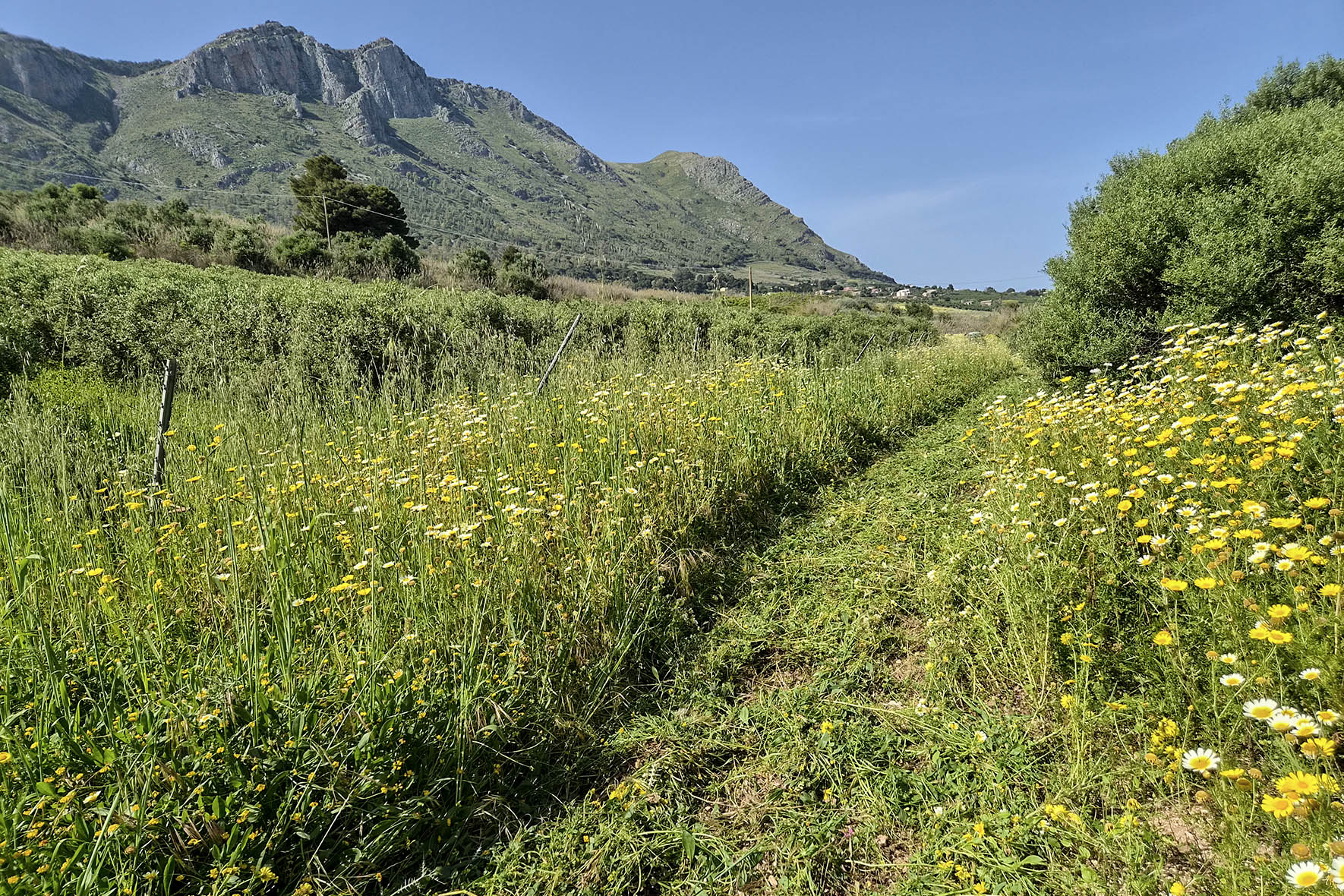
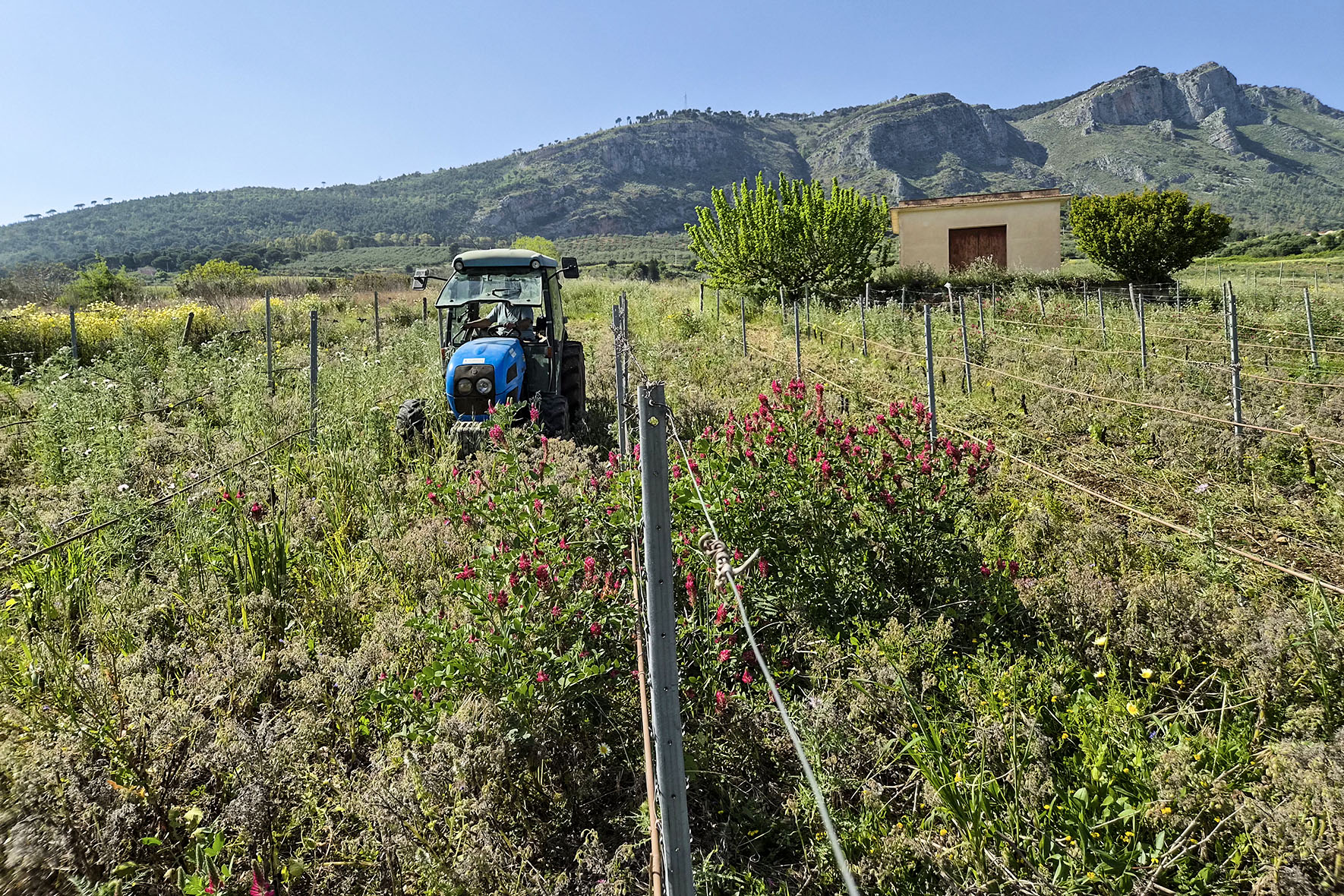
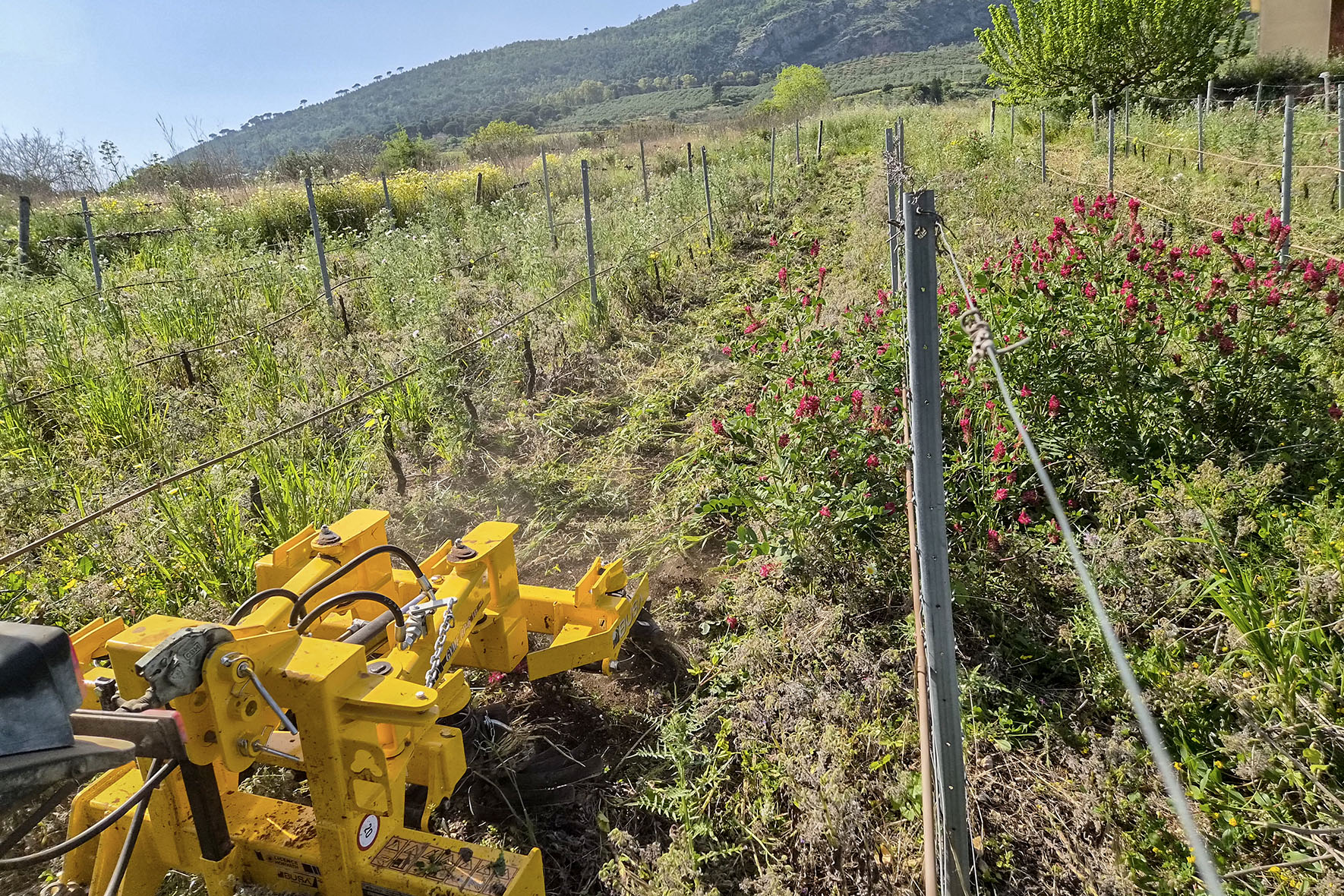
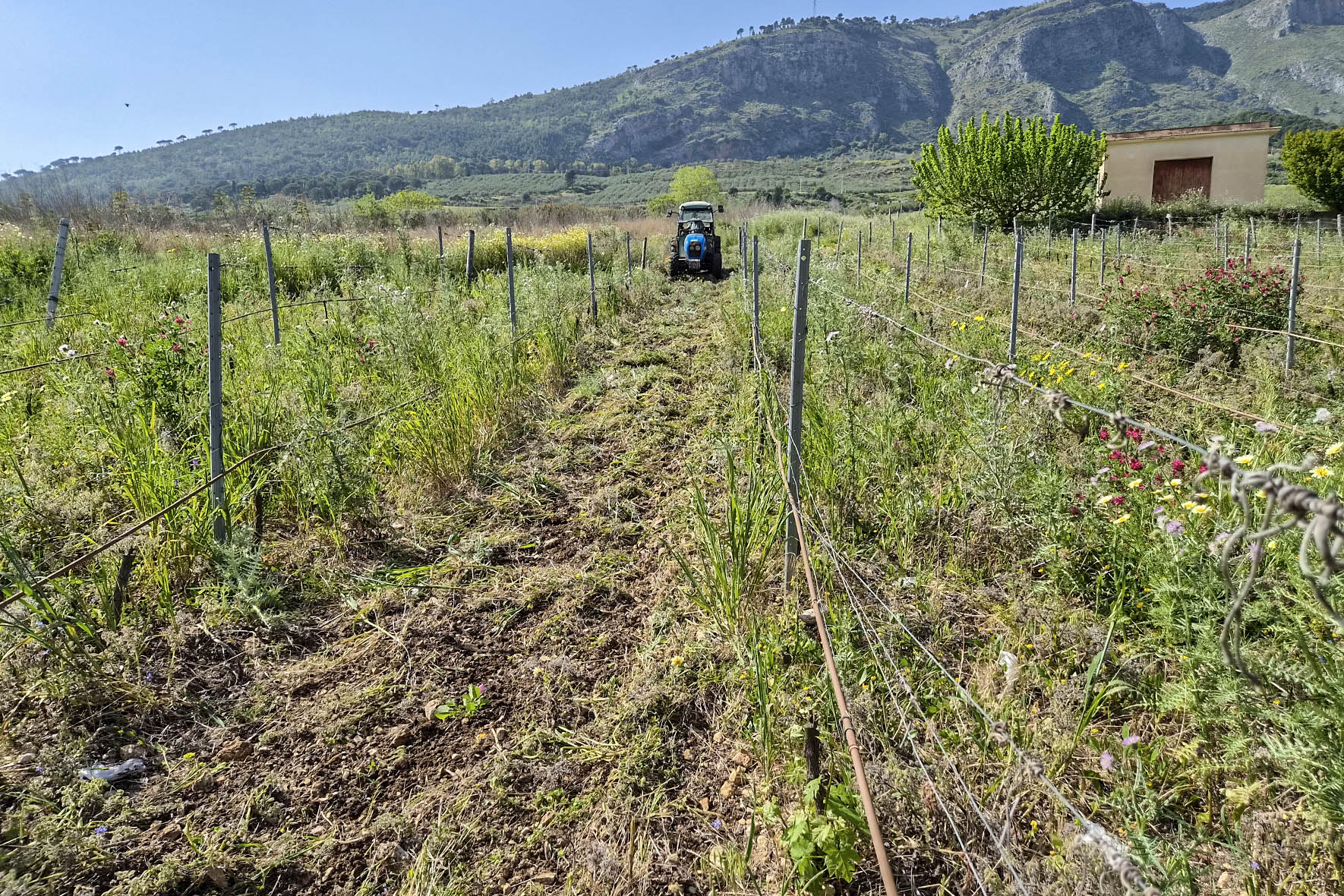
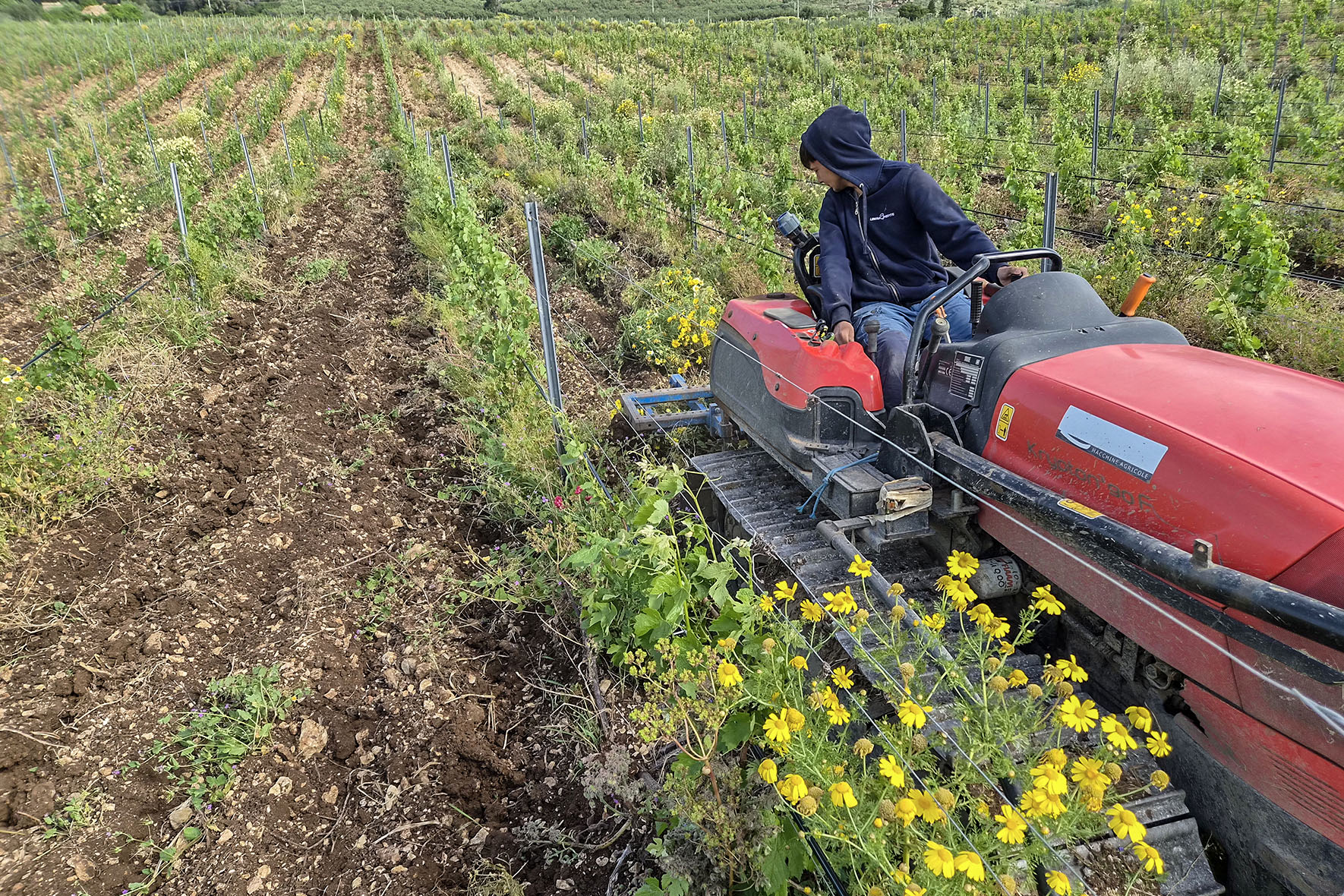
The area itself is a picturesque hillside: vineyards, rocky sections higher up, and more clay-rich soils lower down, still moist from the recent rains. It’s a certified organic plantation, and depending on the variety and the technology used, some rows are cultivated while others are grassed. They’re also experimenting with living inter‑rows and cover crops.
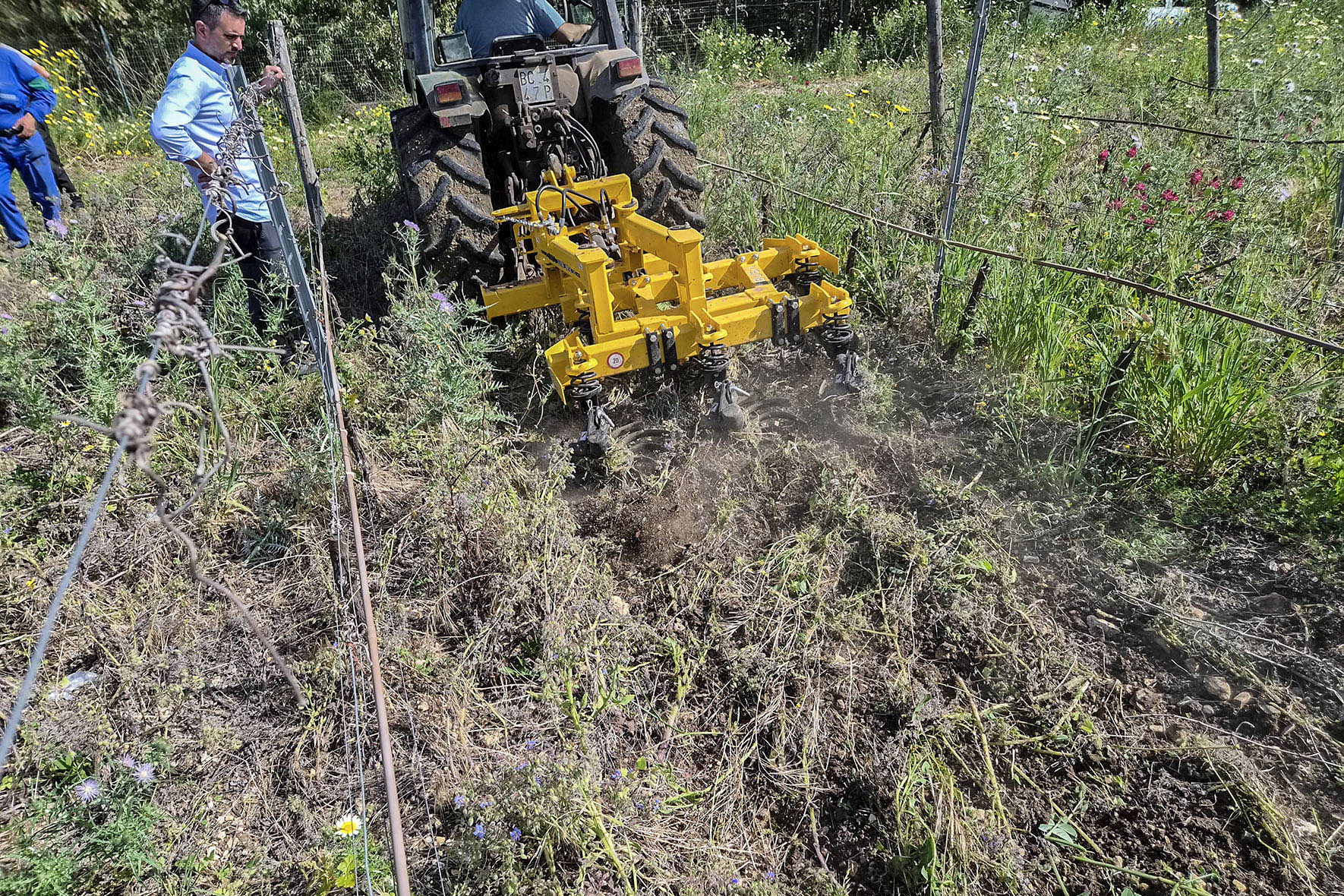
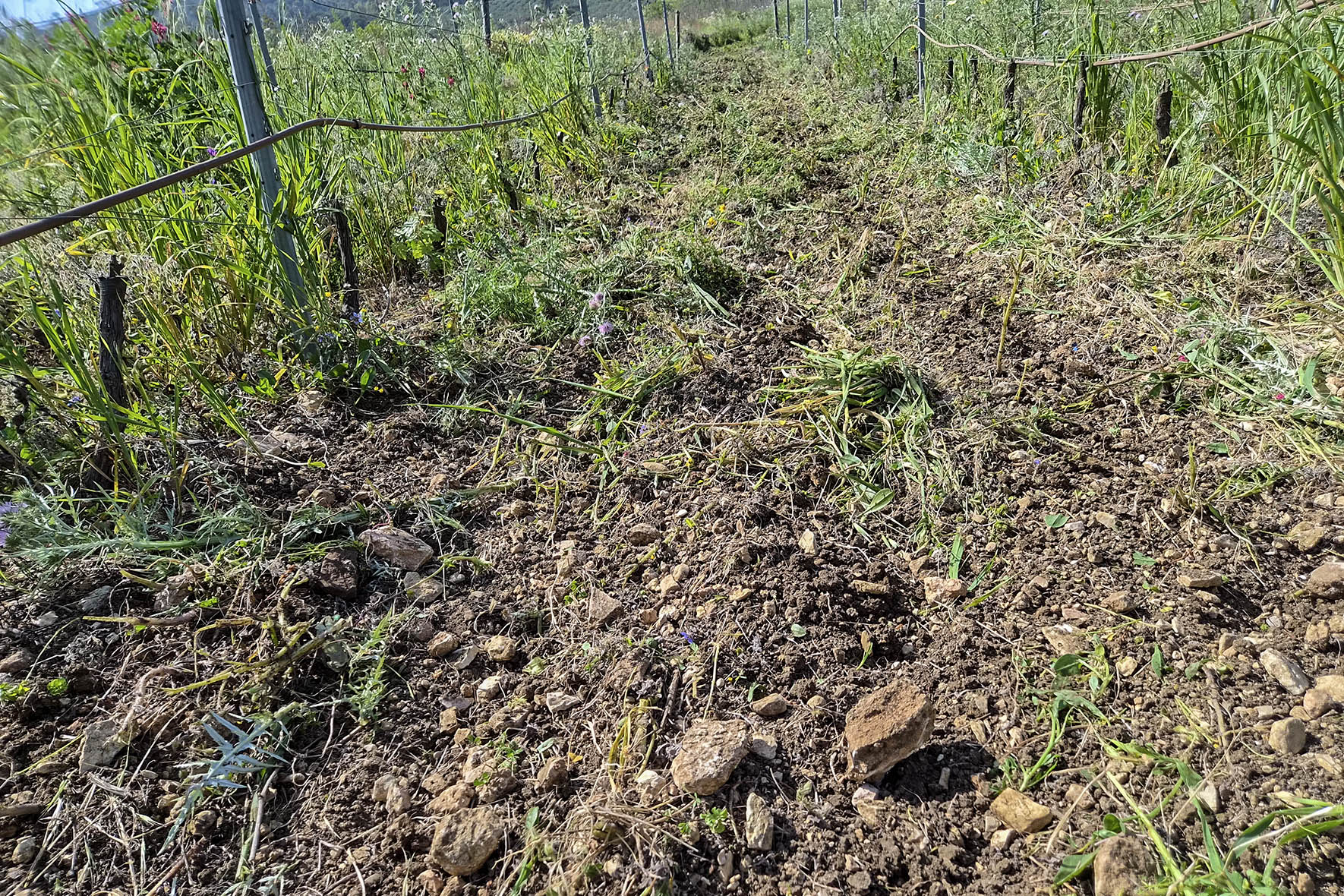
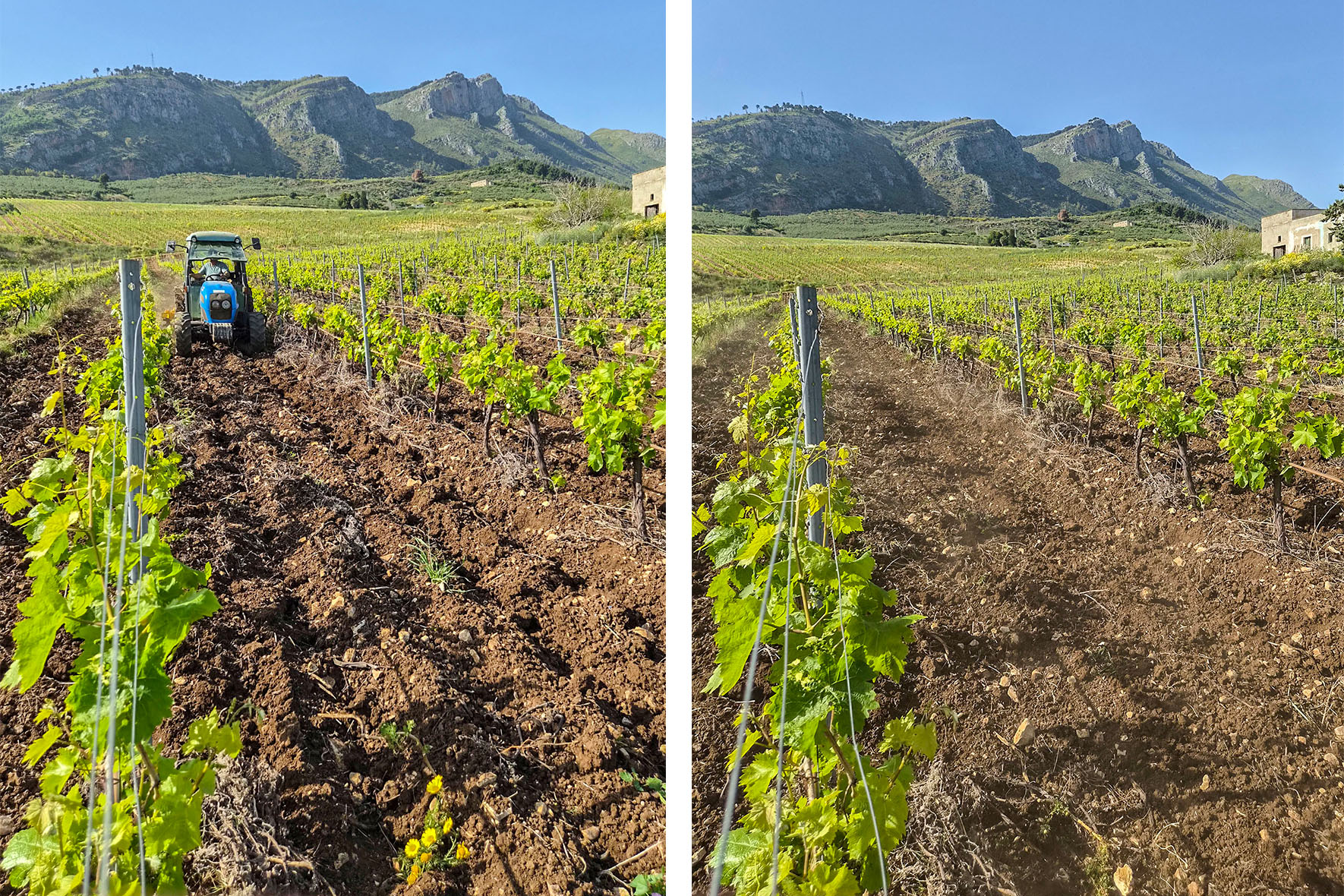
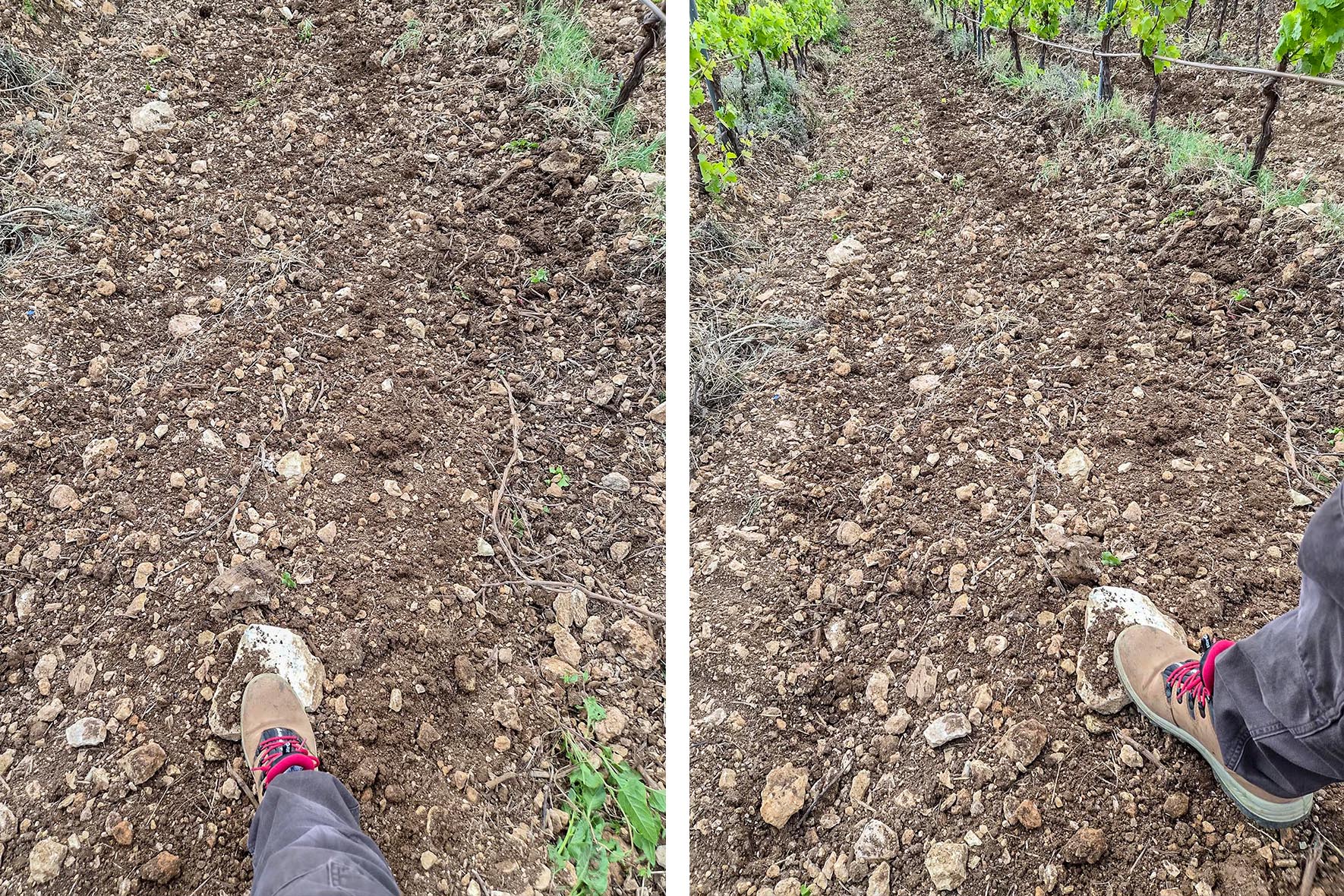
The first plot had been deep‑cultivated just a day earlier. As expected, there were major surface irregularities, drying soil, and clods the size of footballs. Perfect — let’s see what happens 😉. What could possibly go wrong. We started with steeper angles to achieve better working depth and a more even finish, and a bit of extra aggression never hurts when larger residue patches remain on the surface here and there. We were pleased — it handled it well. Later, on the way back, we tried a flatter setting, and the result looked even cleaner, but even the initial pass was already satisfying.
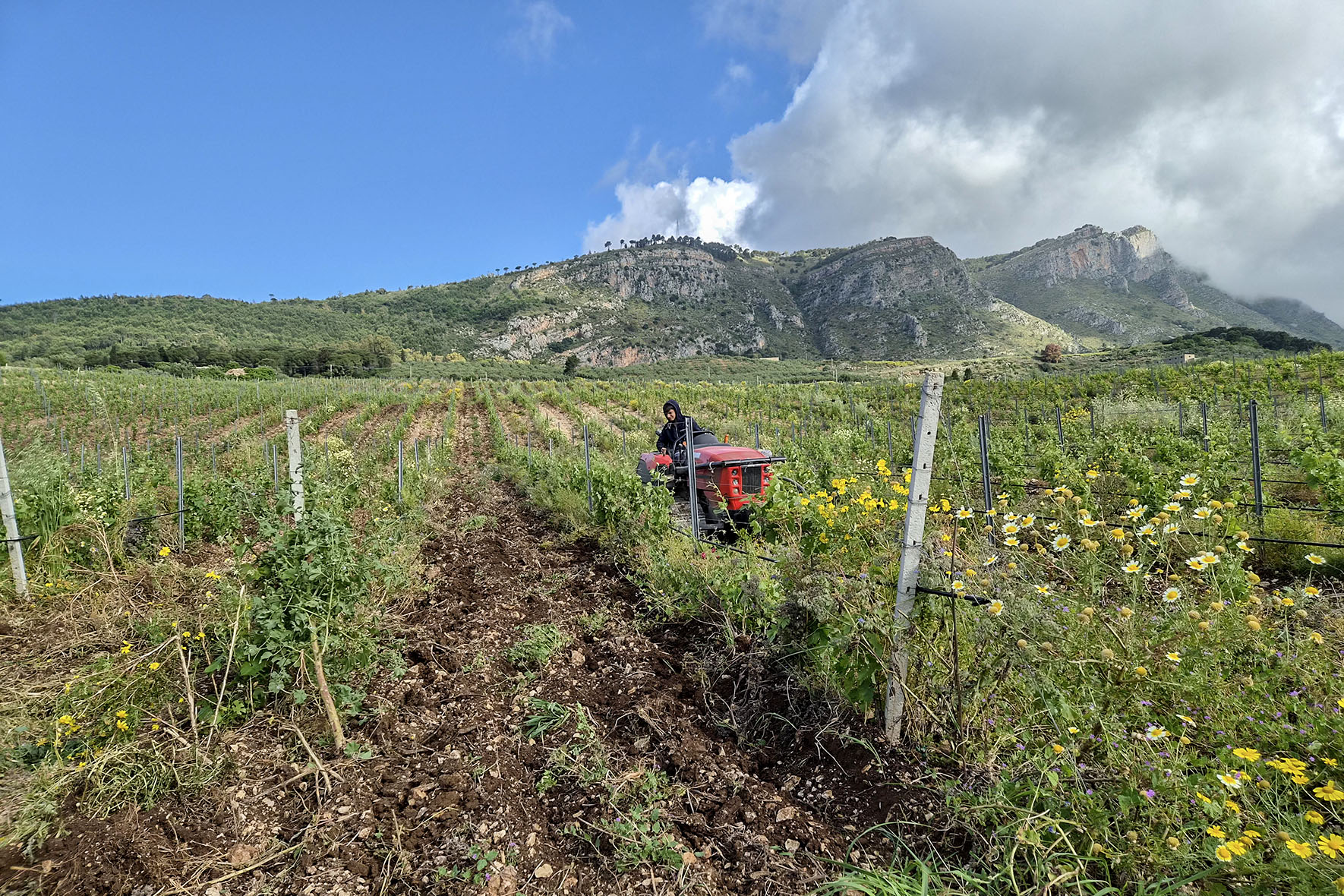
We moved on to the untreated cover‑crop area. Here the soil was noticeably more moist and firm due to the shading. We reduced the angle from steep to medium so the blades would take a wider bite, and with one pass up and down we opened up the metre‑high vegetation nicely.
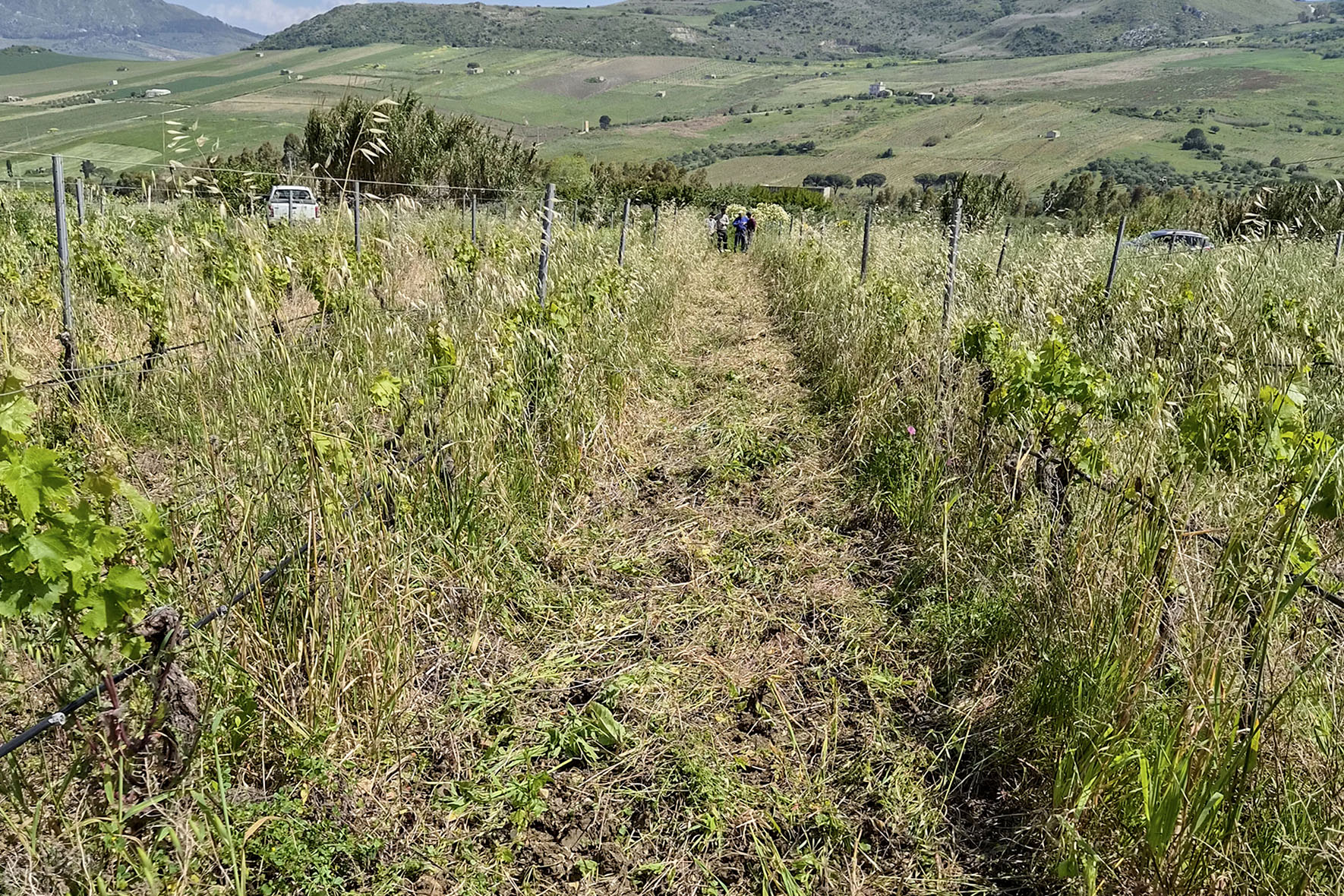
We also tried the same setting on a section that had been mowed beforehand, but that didn’t seem like a good idea from a technological standpoint. The cut stems and the slippery clay didn’t give the blades anything to grip, and the result looked rough.
No need to mow beforehand — one less operation.
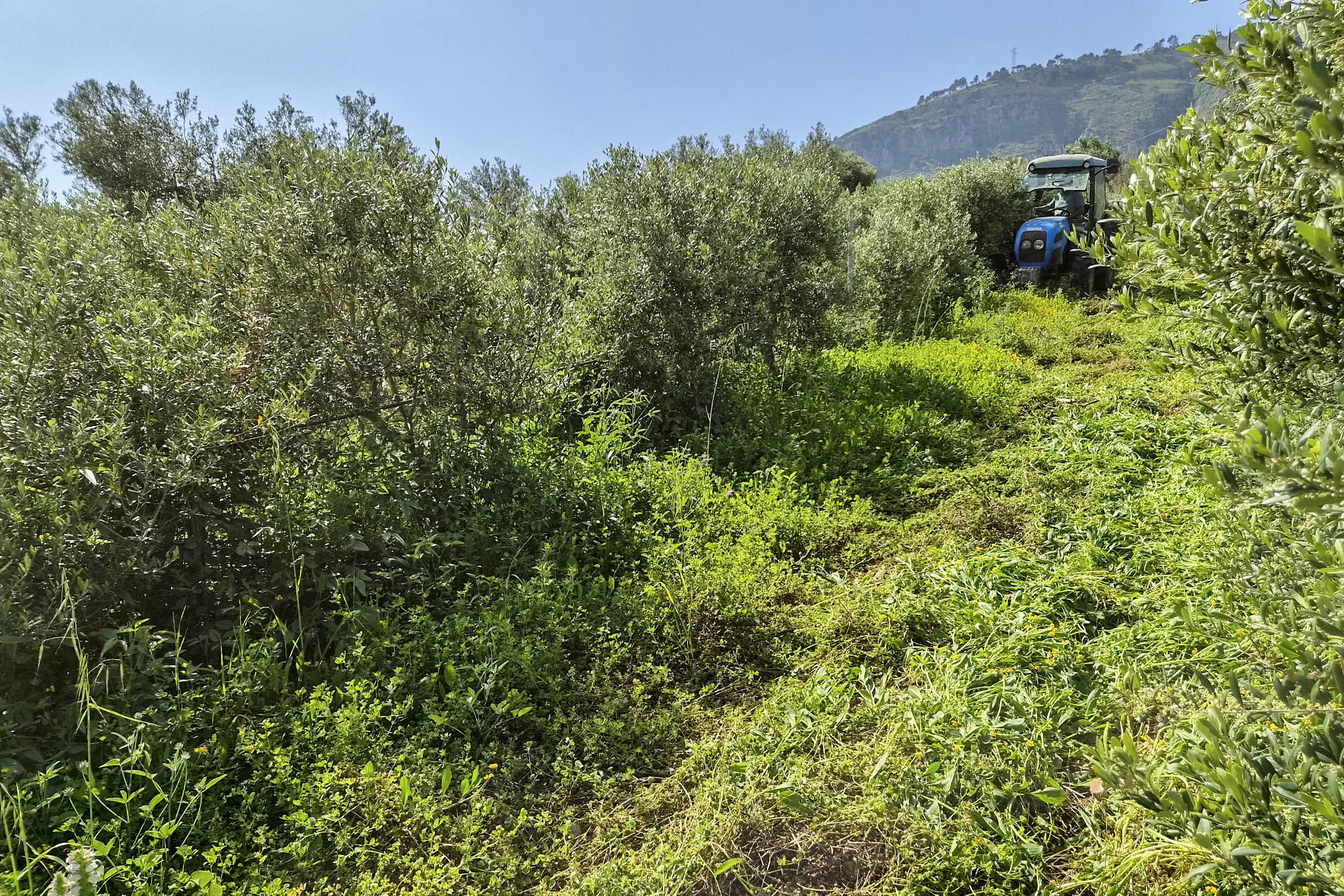
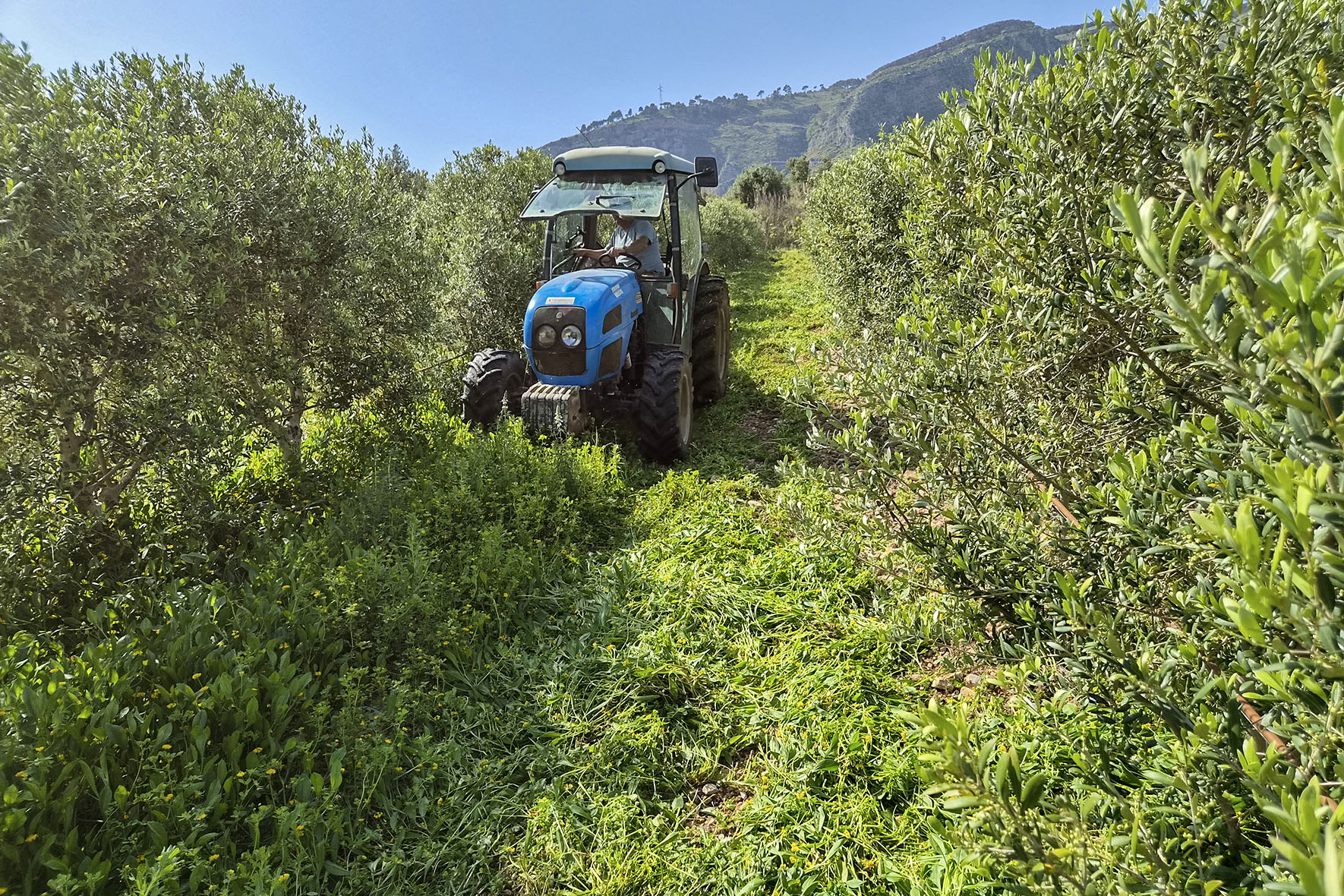
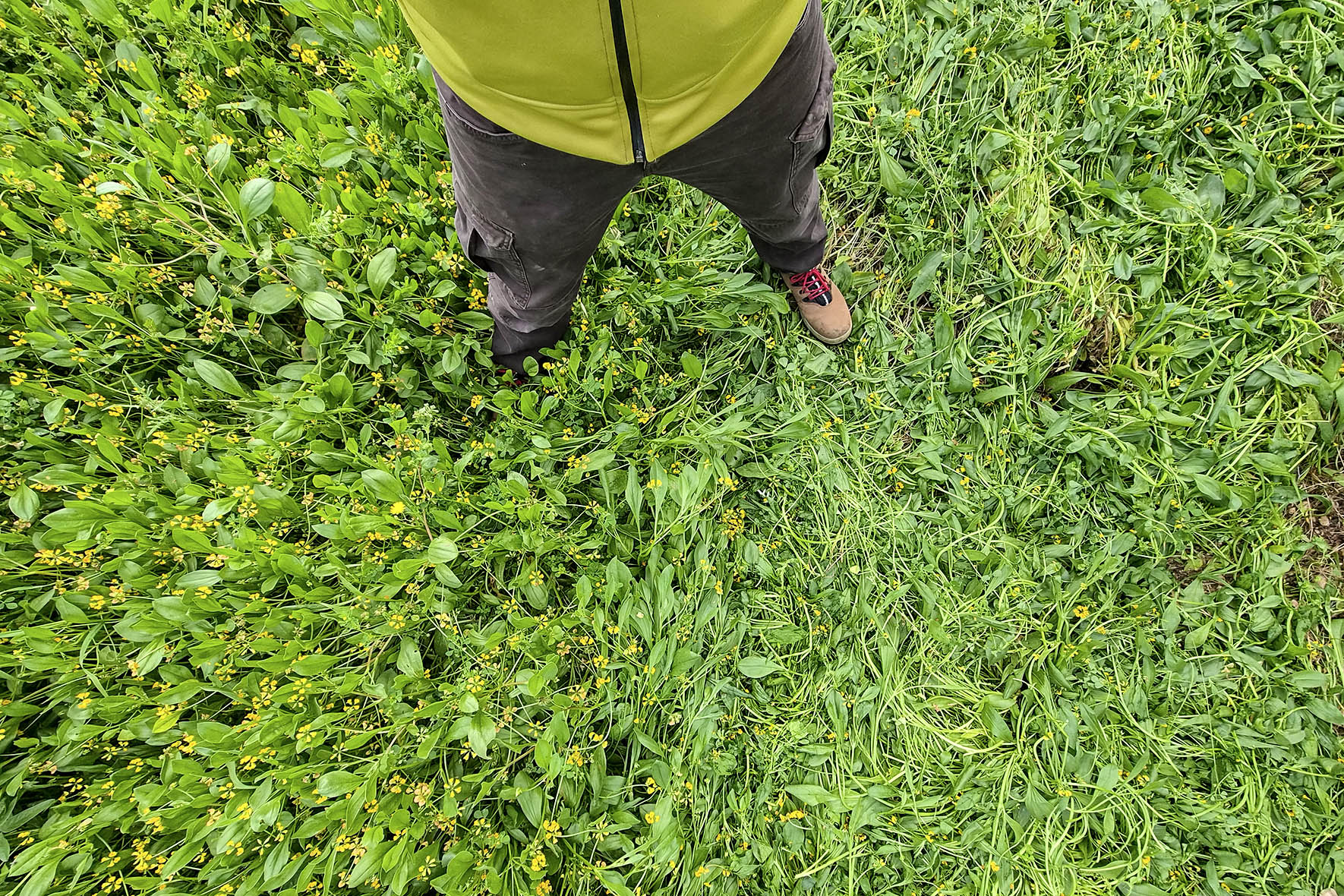
Then came the question: should we take a look at the olive plantation? Of course! Right. That moment when a kid from the Great Hungarian Plain realizes olives can grow on bare rock. Meaning: the bedrock is literally in the row. A thin layer of small stones, then solid rock. Thanks to the huge amount of rainfall, the inter‑row was a beautiful green‑yellow carpet — plants sprouting from every crack in the stone. We’d come this far, so we had to try it, right… We started with a steeper angle — that stuff reaches up to your knees, after all. It made one pass, didn’t fall apart, hooray. Then we tried the control mode. Switched to a flatter angle to see what it would do. The blades were able to grip the rock beautifully, so even at flatter settings it worked well, regardless of the massive green biomass. That worked too: with the steep angle it tore the vegetation in more distinct bands, while with the flat angle it crushed the greenery evenly — but kept it intact.
Everyone was happy, and over dinner we sipped wine produced right there in the plantation now cultivated with BUSA equipment. It was great to see how the local businesses — the accommodation, the restaurant, the fishermen, the farmers — all cooperate.
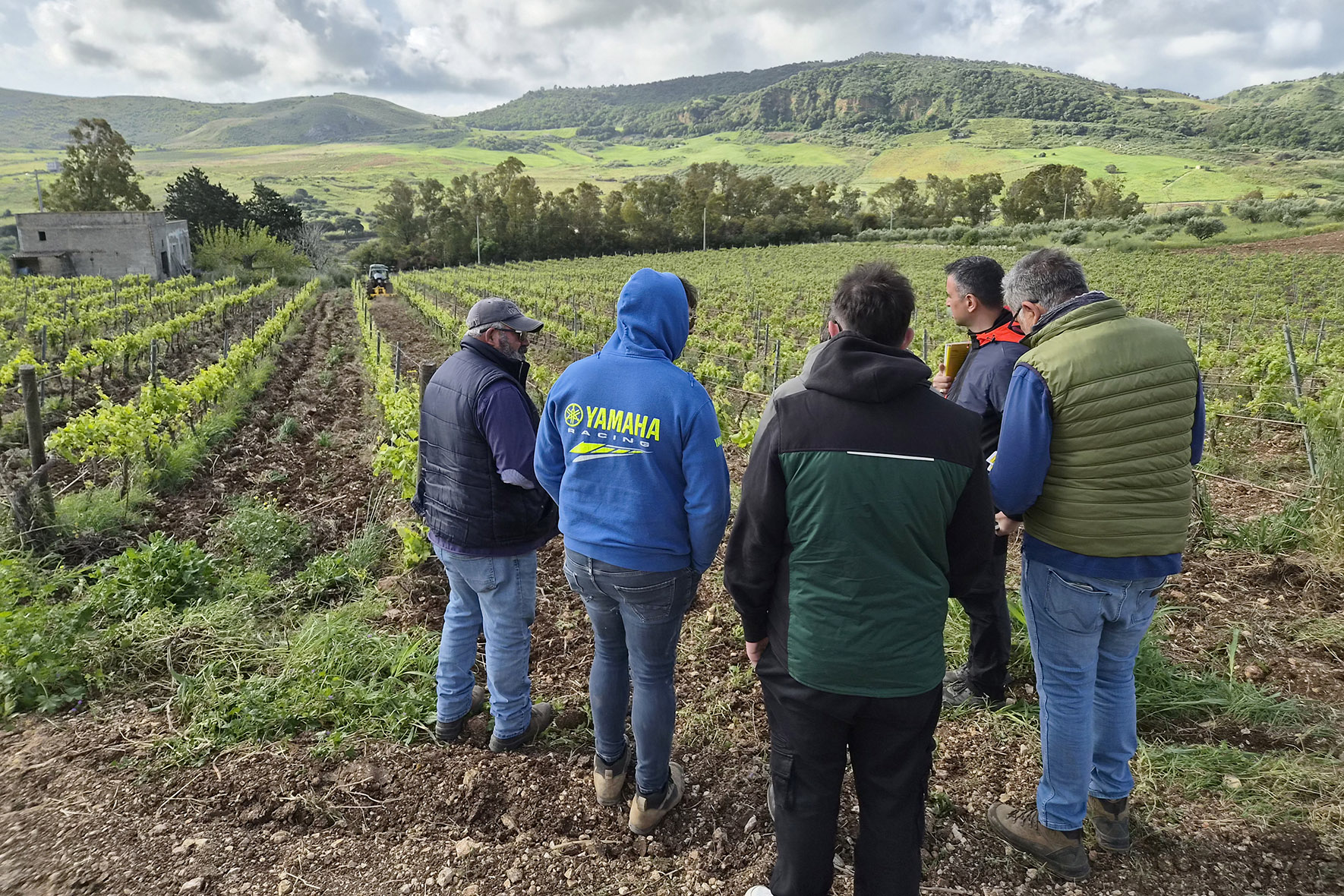
The next day we went through the same areas with about twenty farmers and consultants. The owner of the plantation was getting an increasingly good feel for the machine — faster, more precise, more confident. Even in the cultivated section we were met with approving nods: the combination of speed, uniformity and shallow work was convincing. But the real surprise came again in the olive grove. That plot destroys even a flail mower, let alone other machines. I took the opportunity to show the results from the previous day. Where we tore everything apart with the steep angle, the exposed bedrock had dried out completely by noon; while under the mulched “carpet” created with the flat angle, the subsoil was still distinctly moist.
We’ve scheduled the next demonstration for summer — by then the machine will have covered plenty of hectares, the weather will change, and we’ll keep learning. Oh, and if you’re ever looking for real organic olive oil, I’ve got a contact 😉