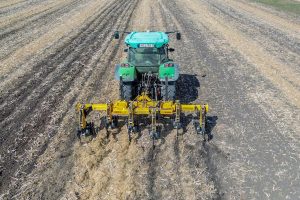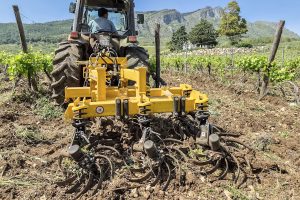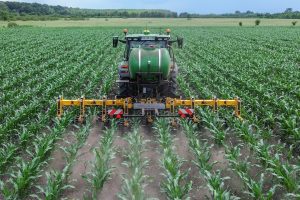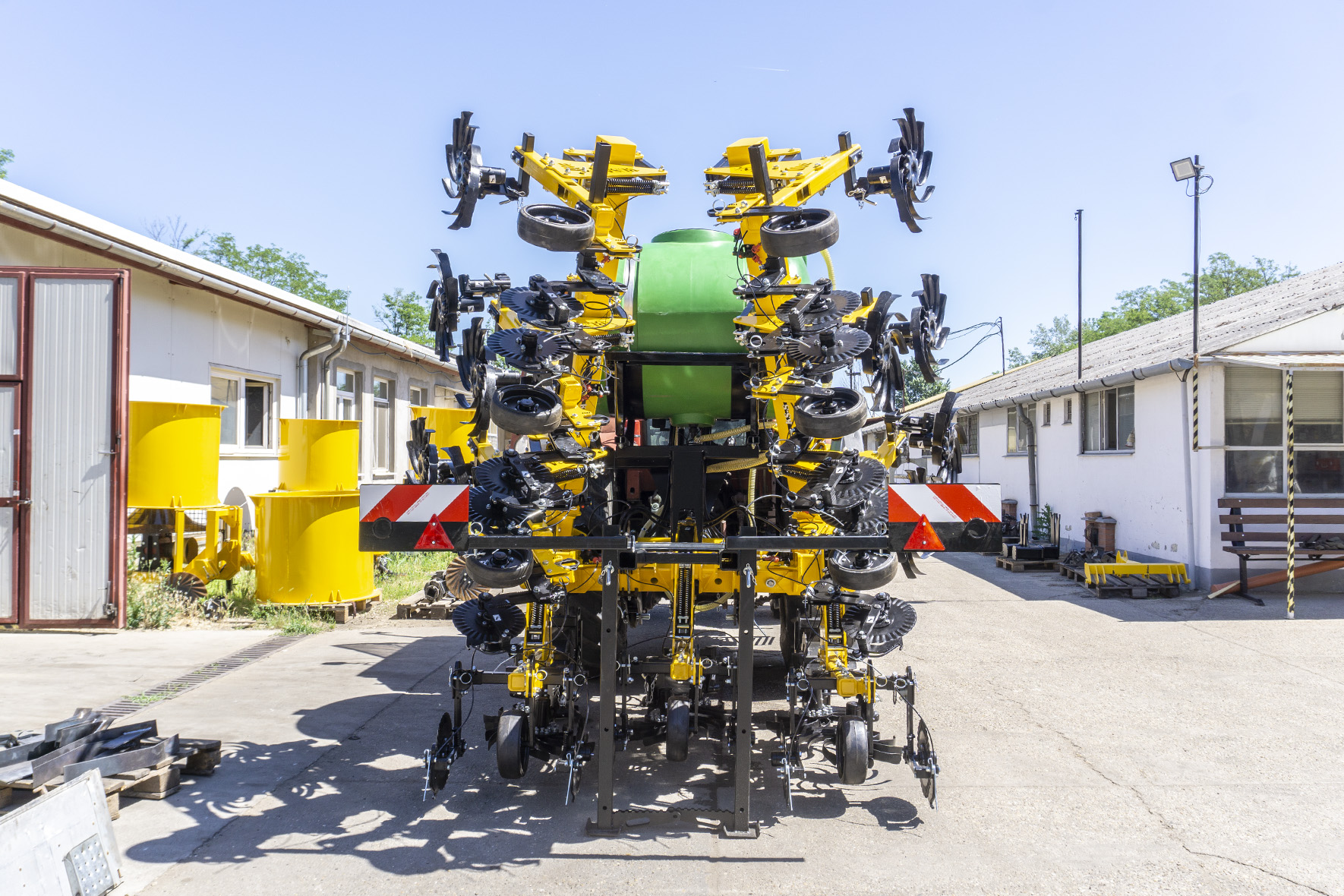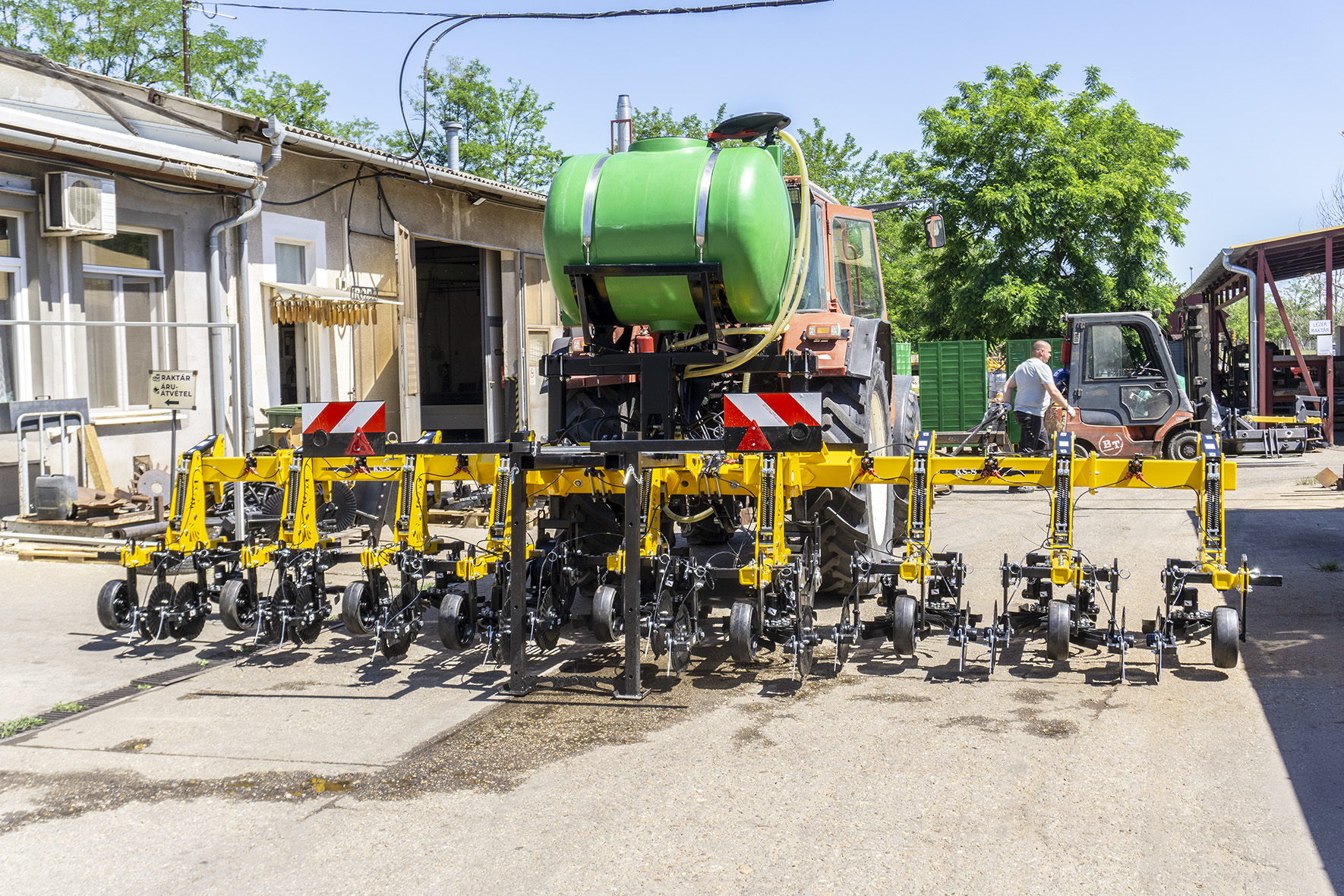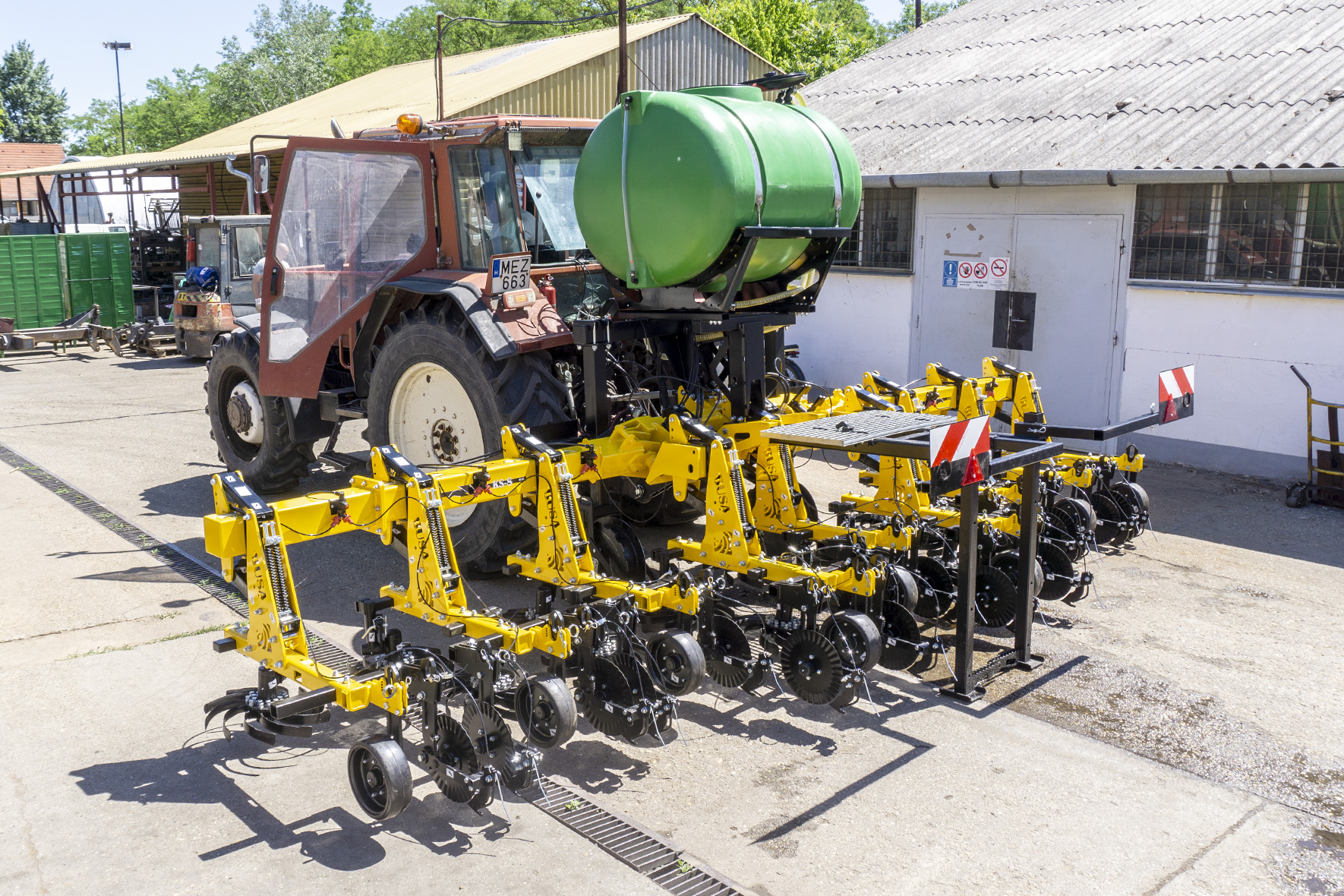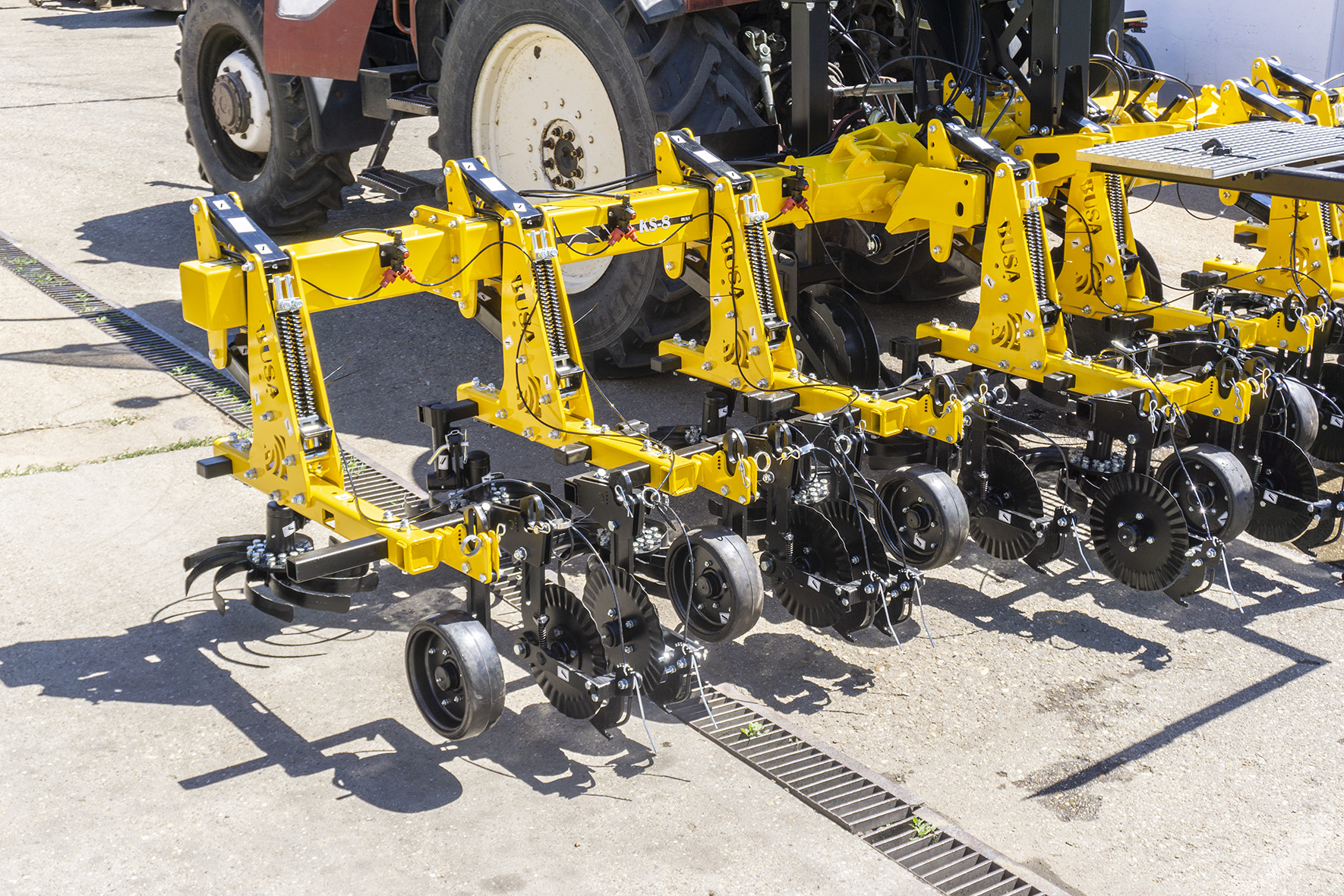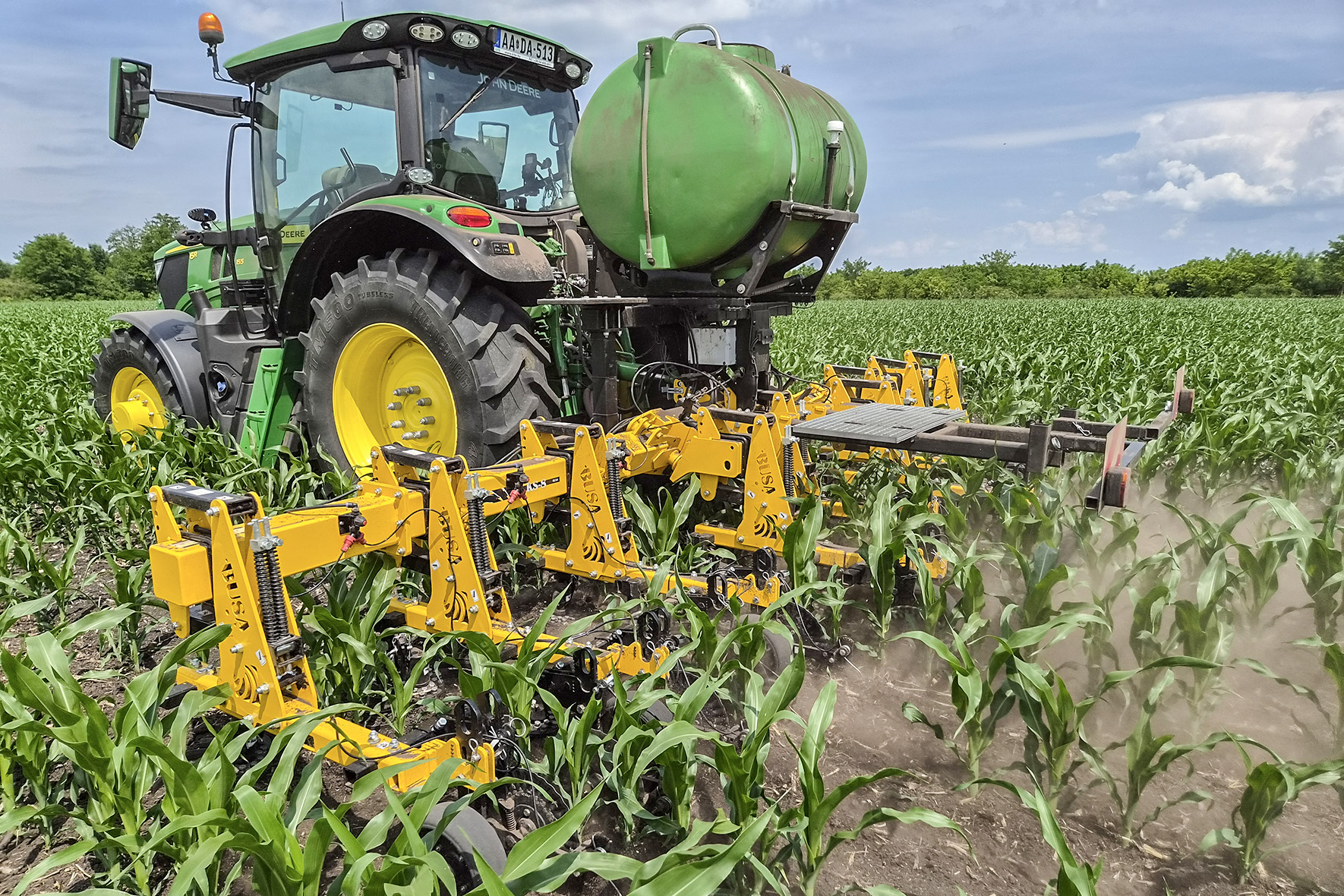
I recently visited a cultivator that was put into operation this year to see it working in the field and to gather some practical insights after the first hours of use.
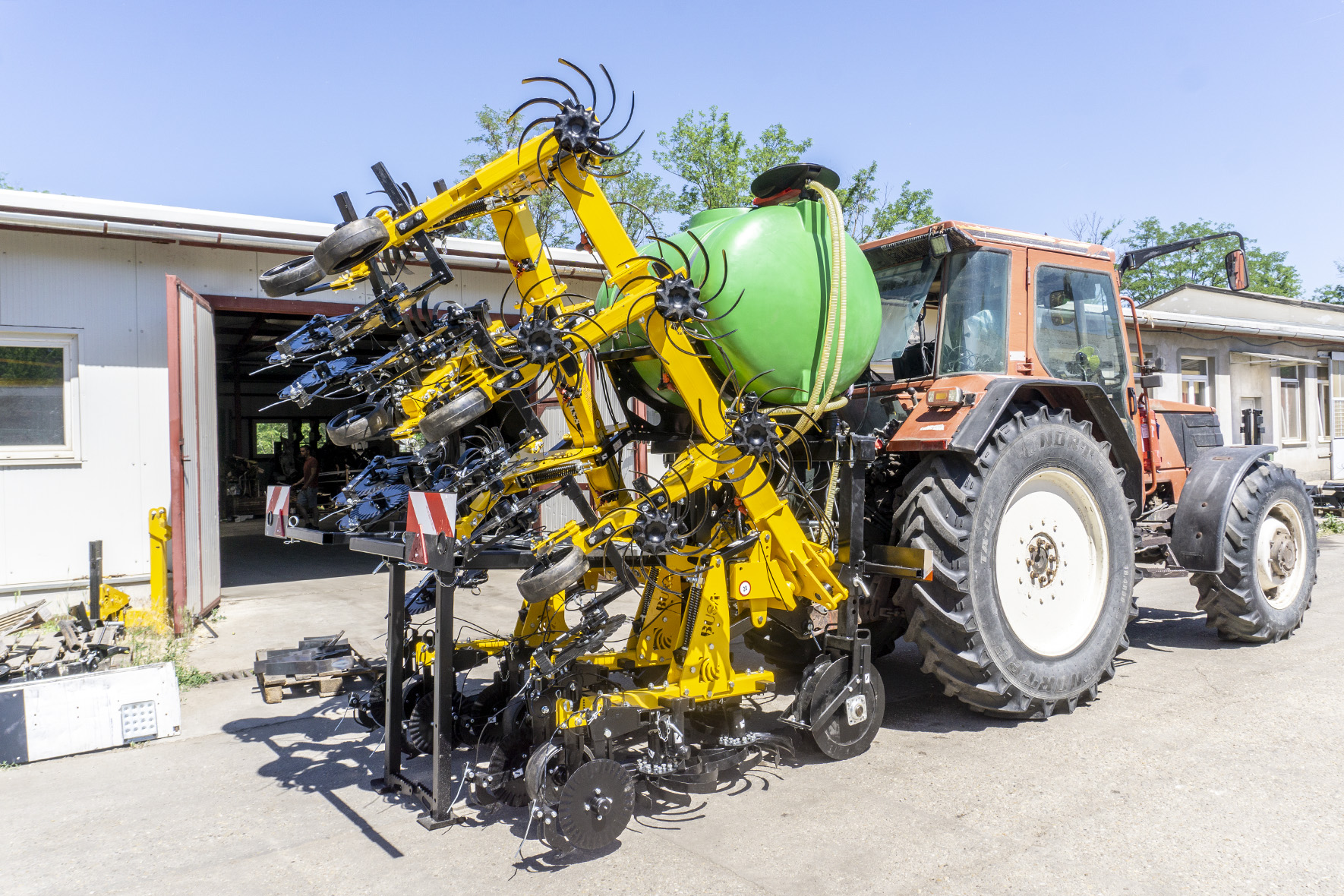
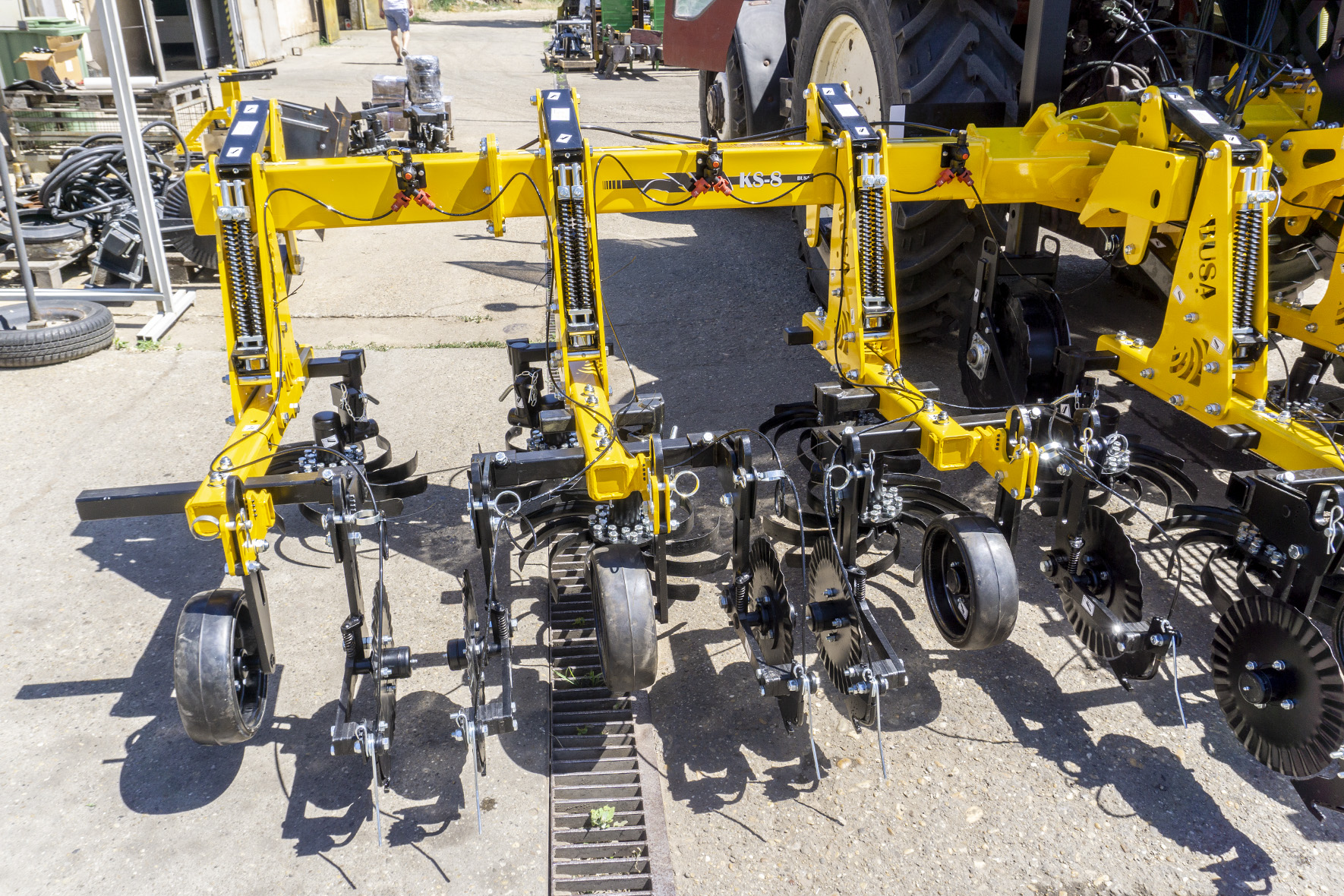
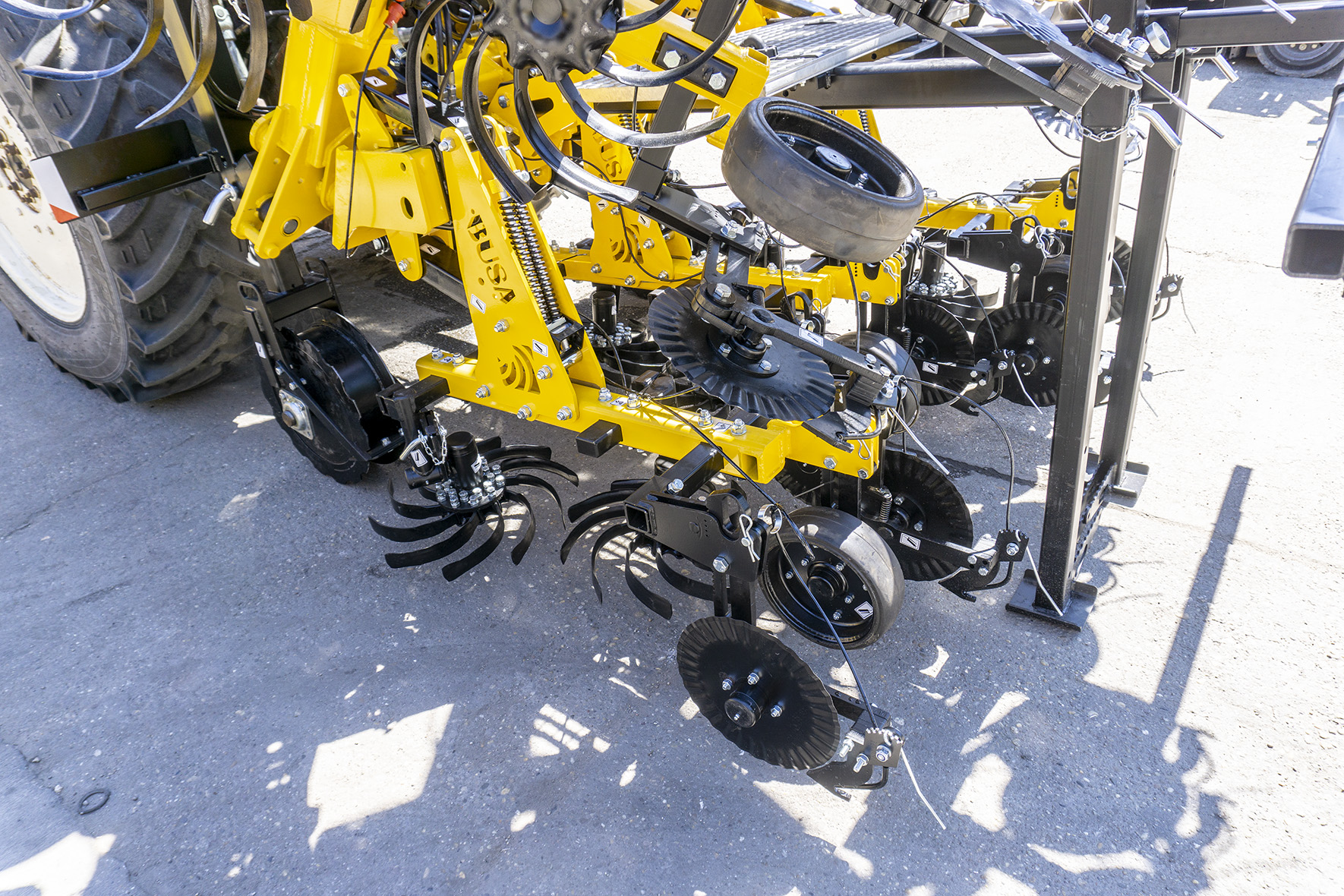
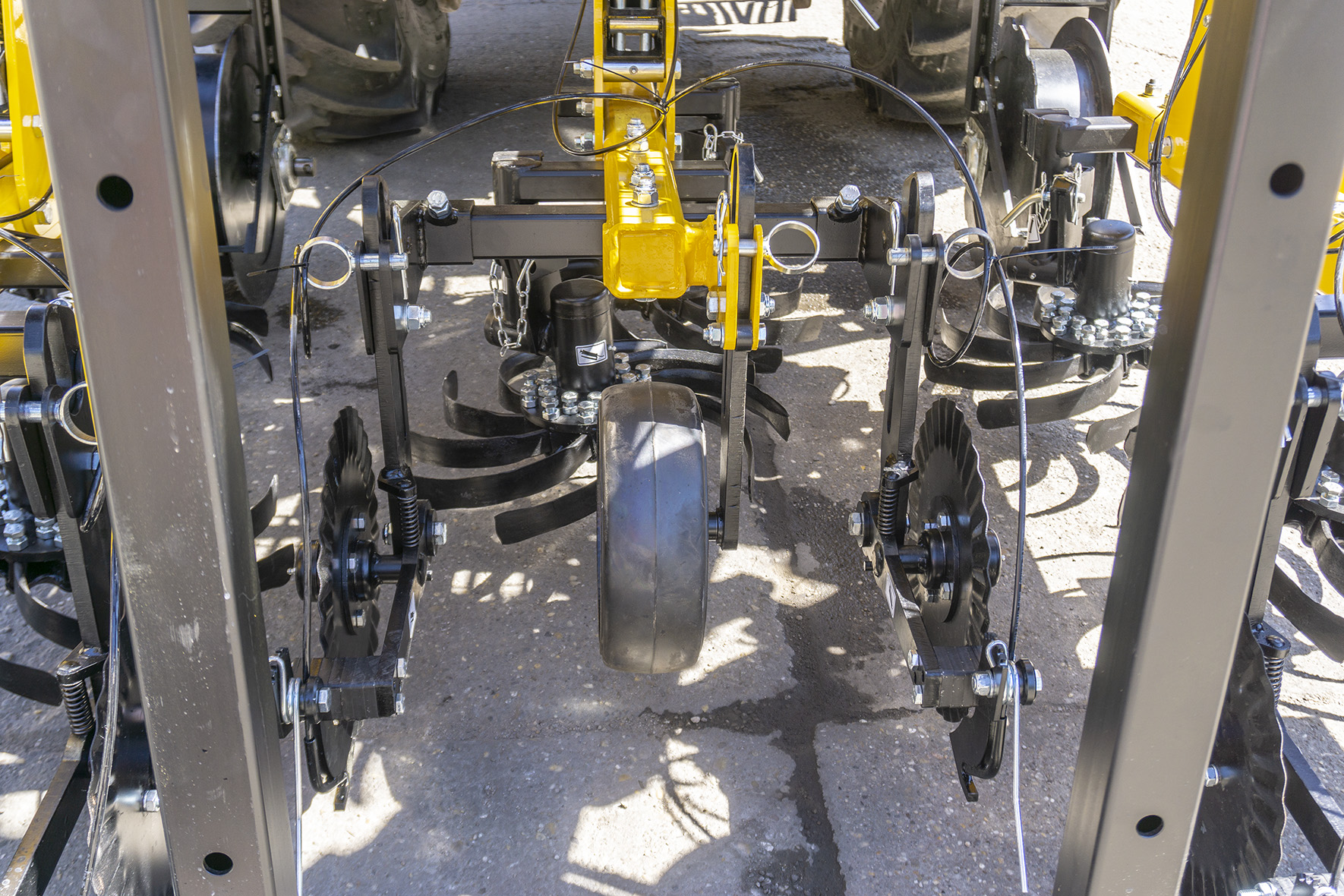
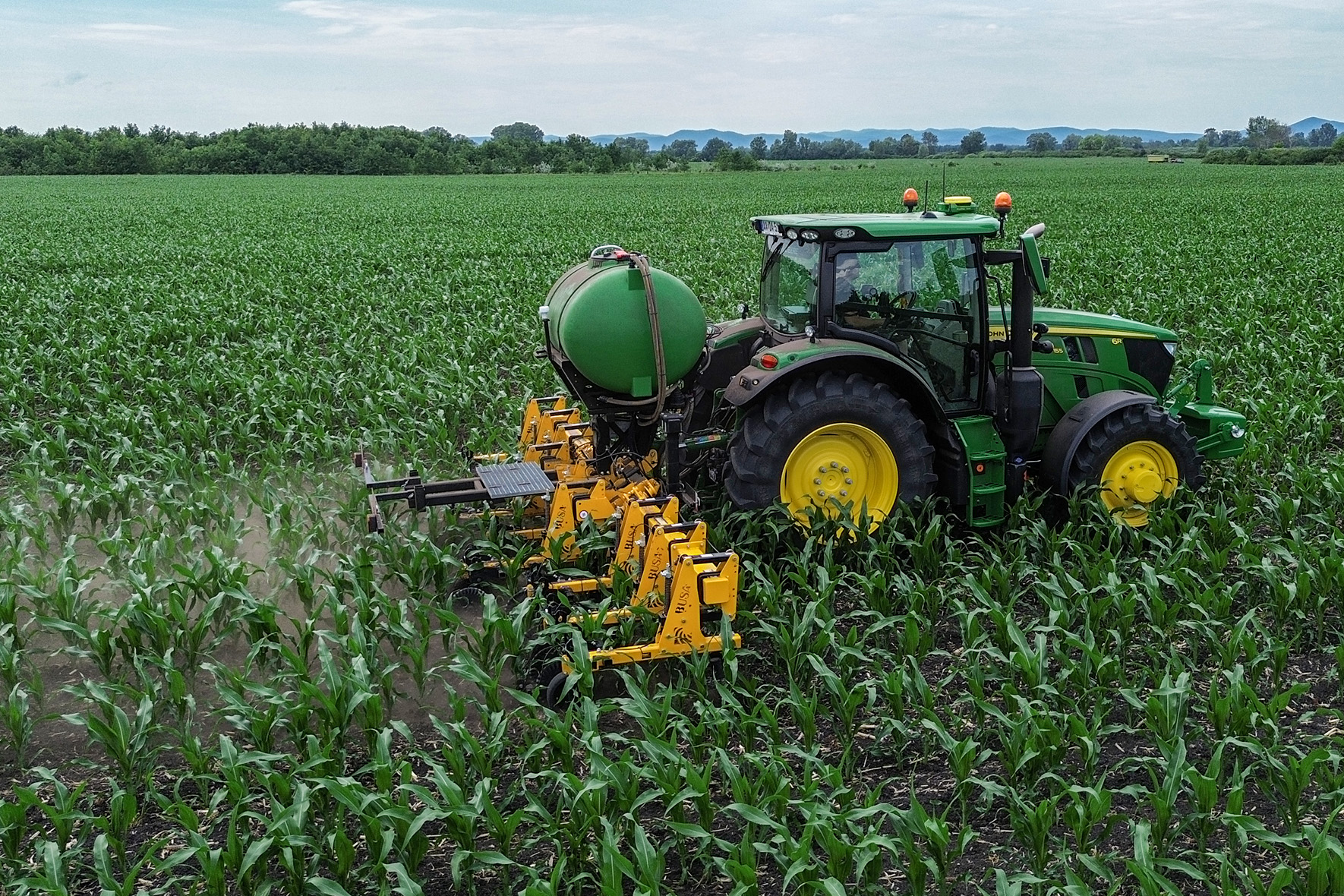
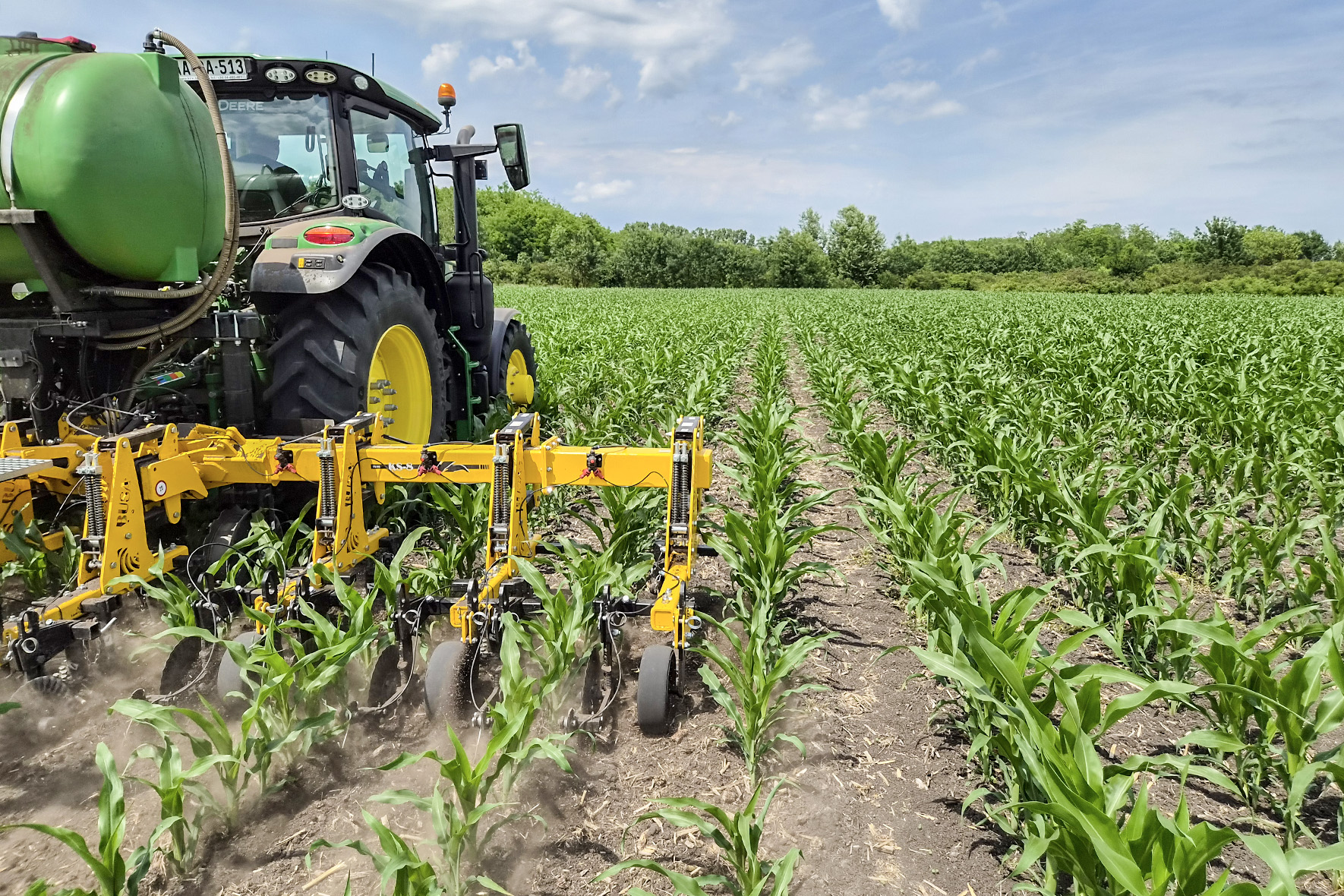
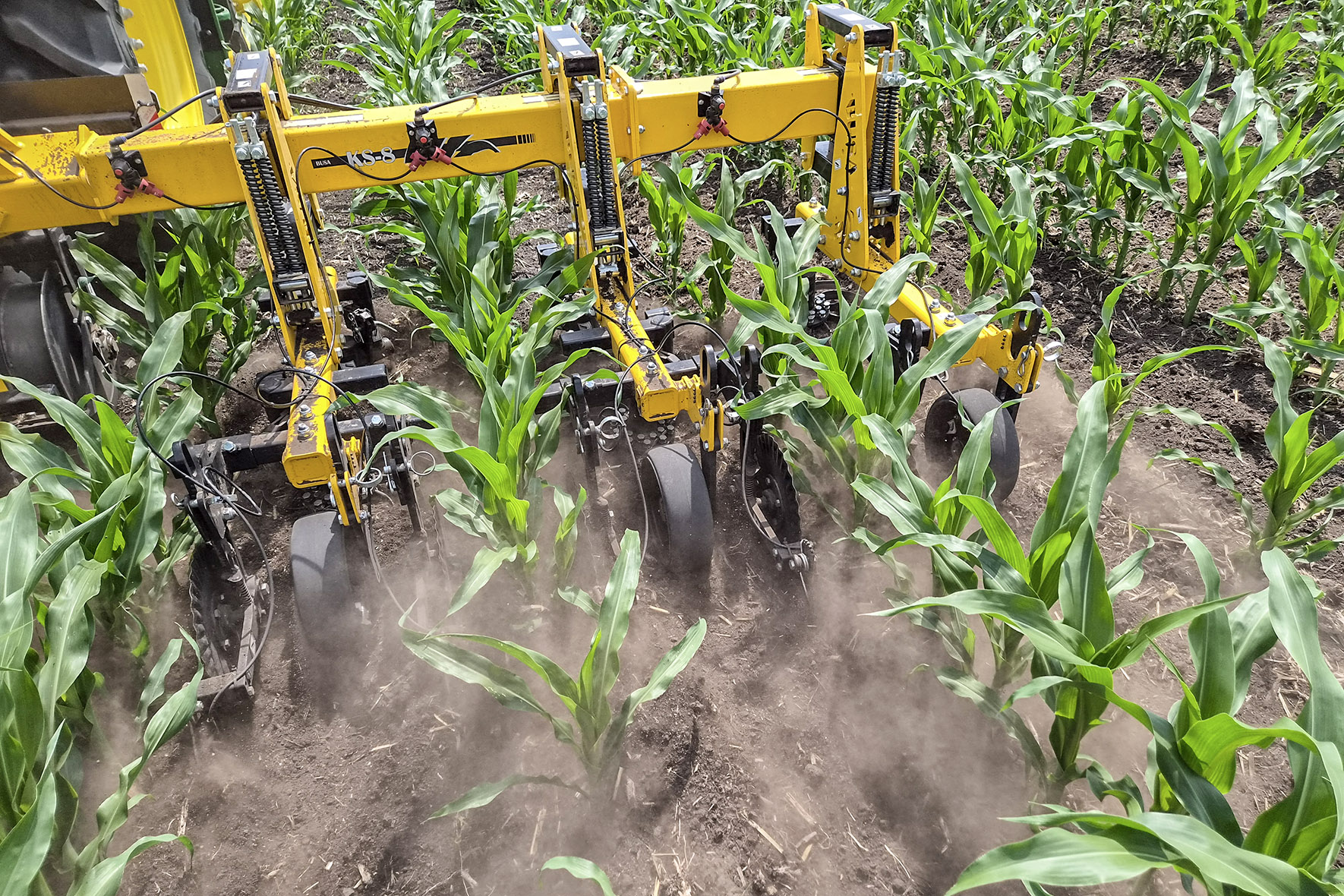
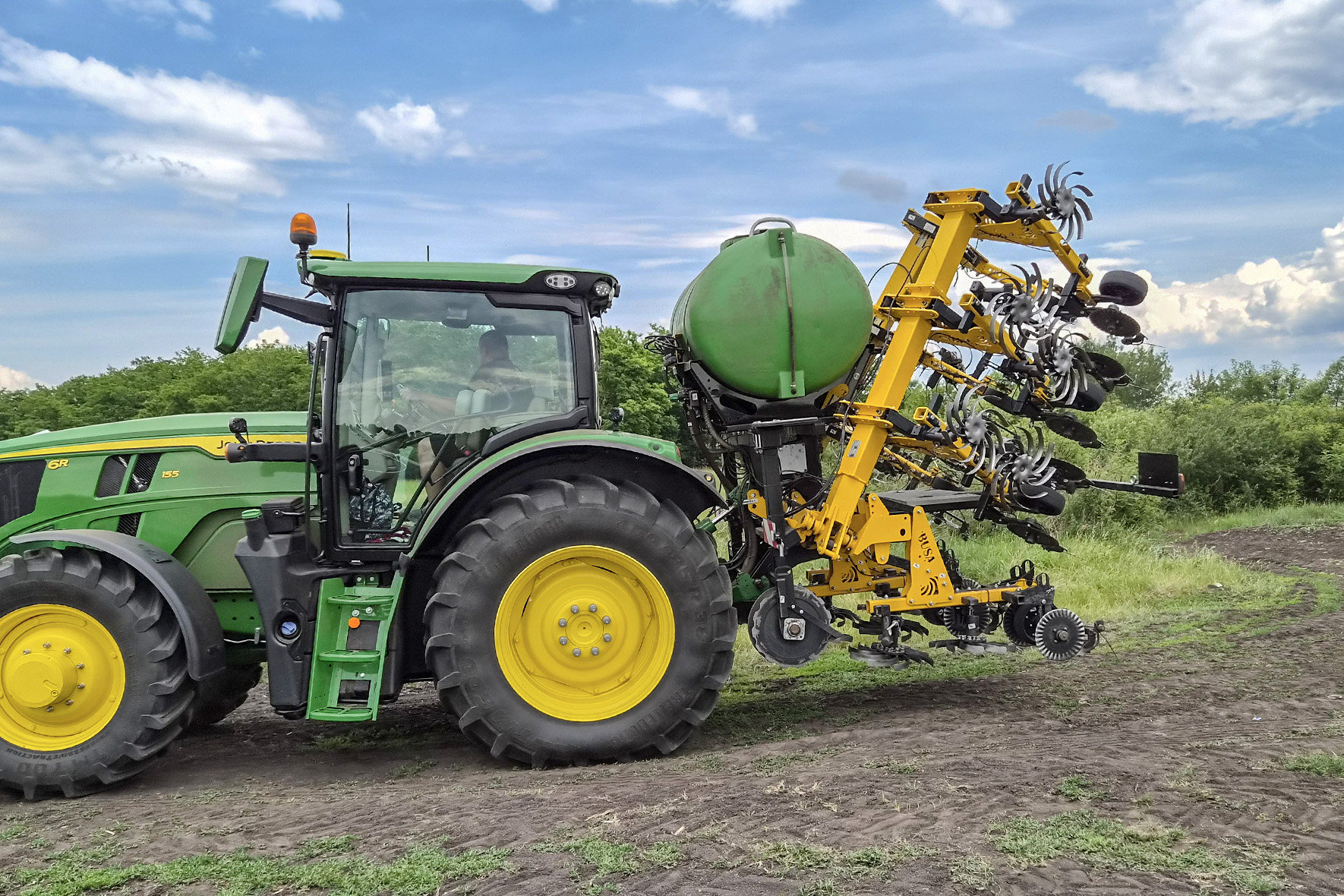
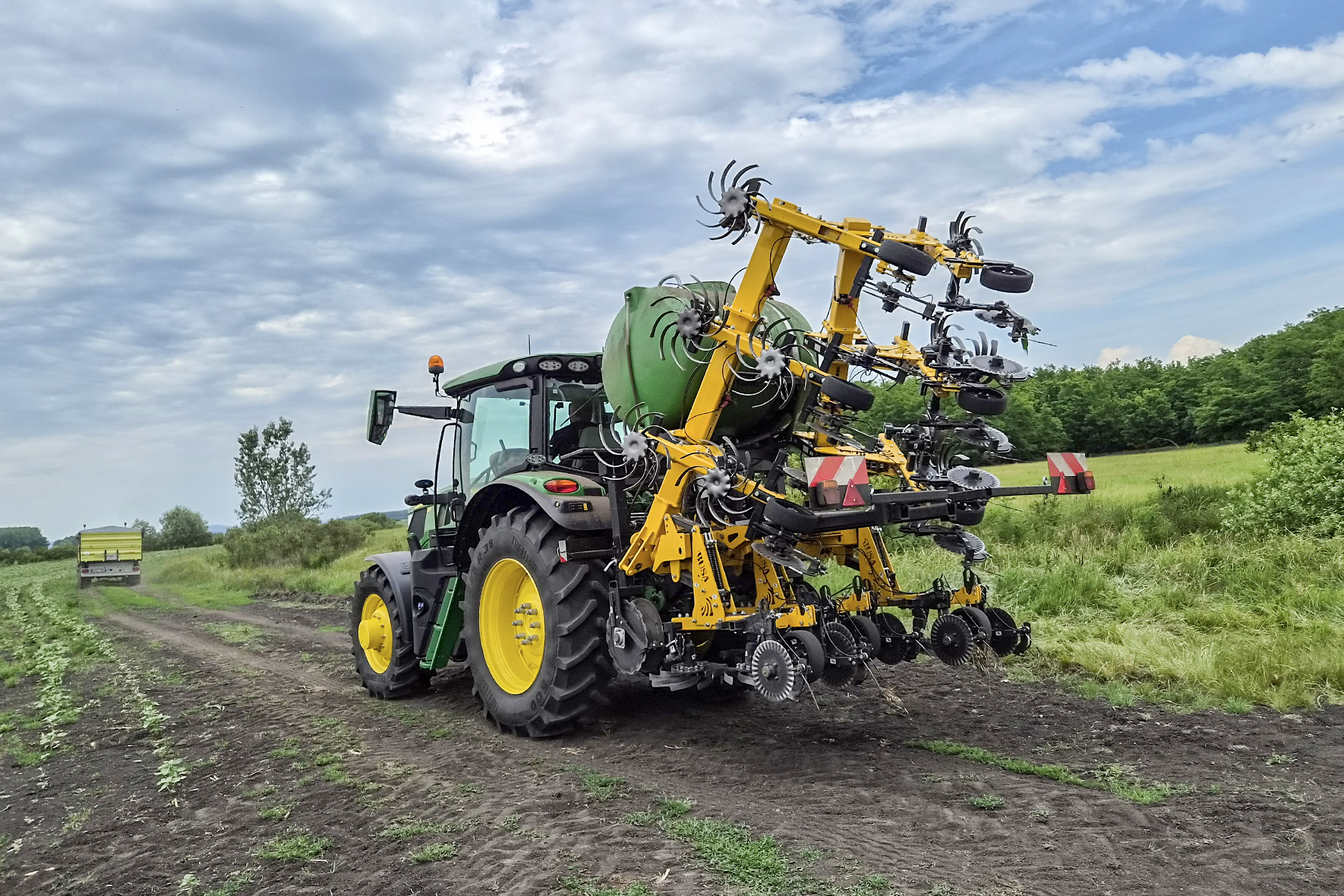
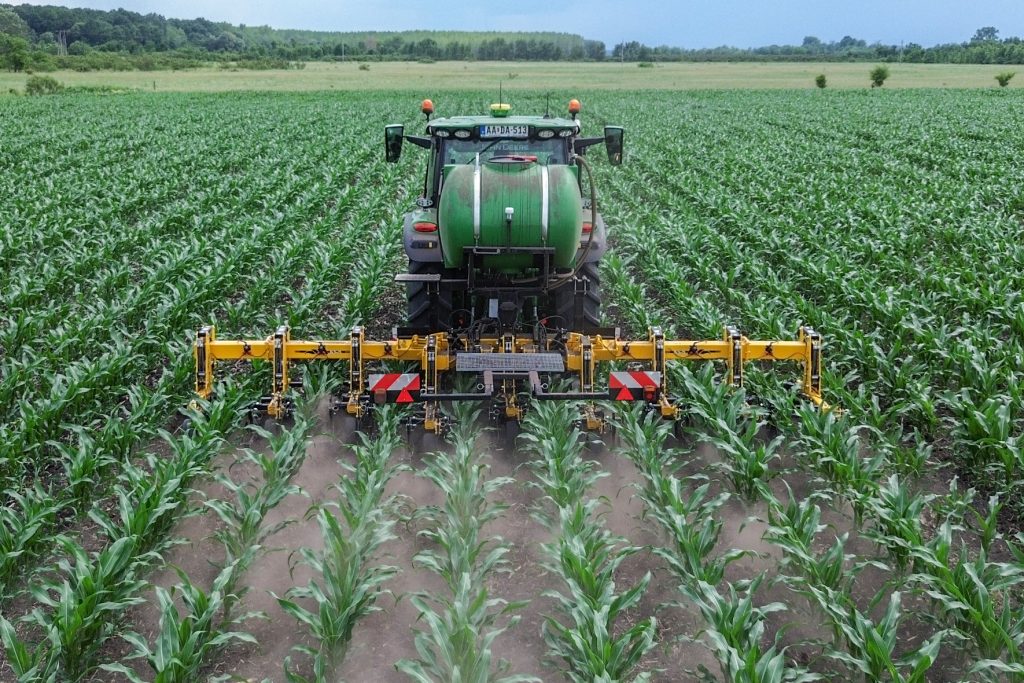
The machine is a hydraulically folding 8‑row cultivator equipped with an 1100‑liter tank, reinforced Gen4 cultivation units, BUSA Rotor working elements, and two disc‑type liquid injectors per row. The primary purpose of this configuration was to enable use as a fertilizer‑applicator cultivator.
In Northeastern Hungary, the lack of precipitation is becoming an increasingly frequent challenge, which is why many farms are considering partially or fully replacing granular fertilizers with liquid nutrients. On this machine, the application takes place on both sides of the crop row, allowing a smaller local dose to be distributed over a larger surface area. It was also an important requirement that the cultivator be able to operate at high working speeds, tolerate the occasionally hard, dried‑out black soils, and maintain productivity without being slowed down by blockages.
Since its commissioning a little over a week ago, the machine has already covered more than 300 hectares. The operators quickly became familiar with all the adjustment options. They mentioned that when arriving at a new field, they already have a clear idea of the rotor angle they want to use, how much to lower the gauge wheel, or where it is worth repositioning the injectors. Across their different fields, they apply several cultivation technologies, ranging from conventional tillage to minimally disturbed, mulch‑covered systems.
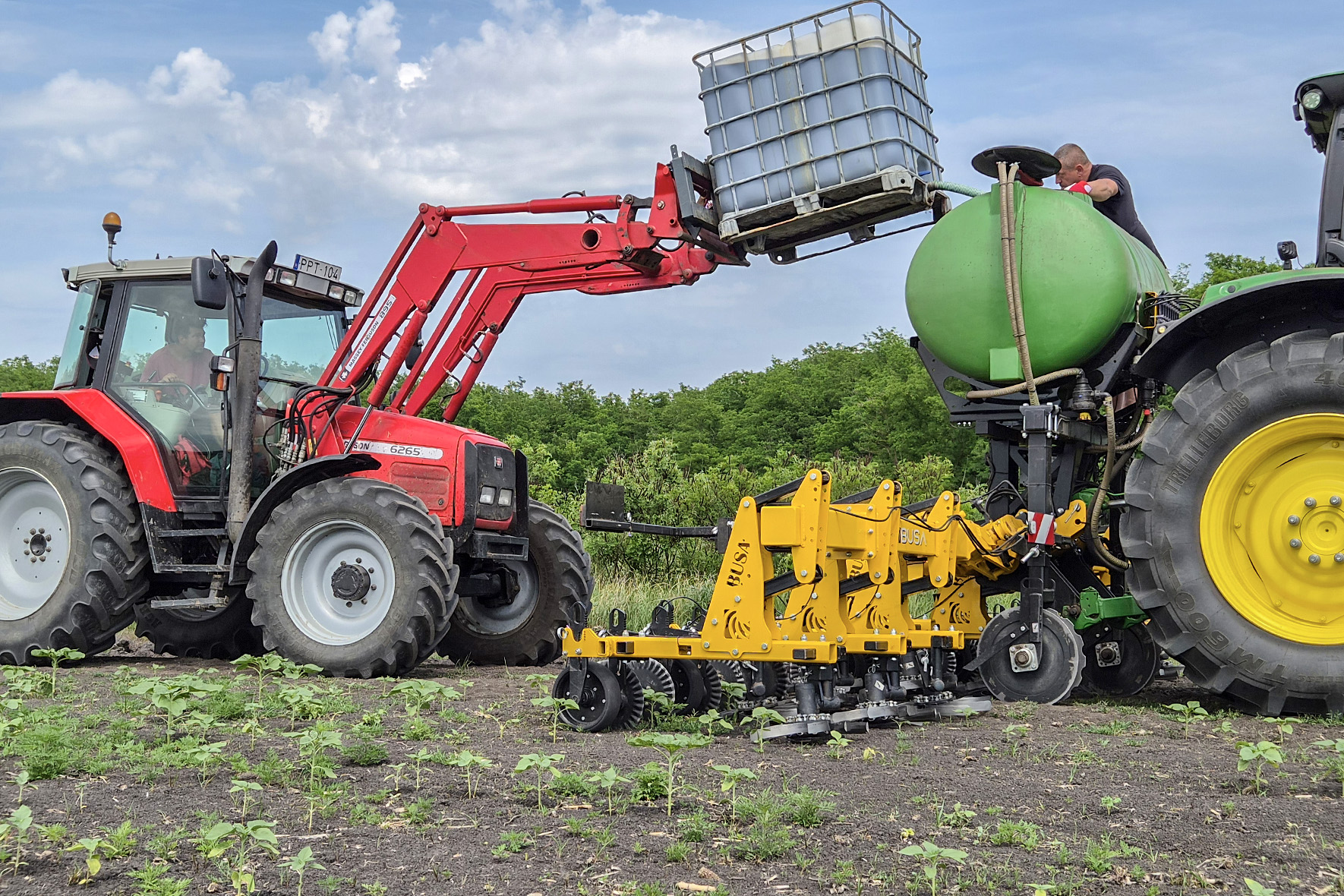
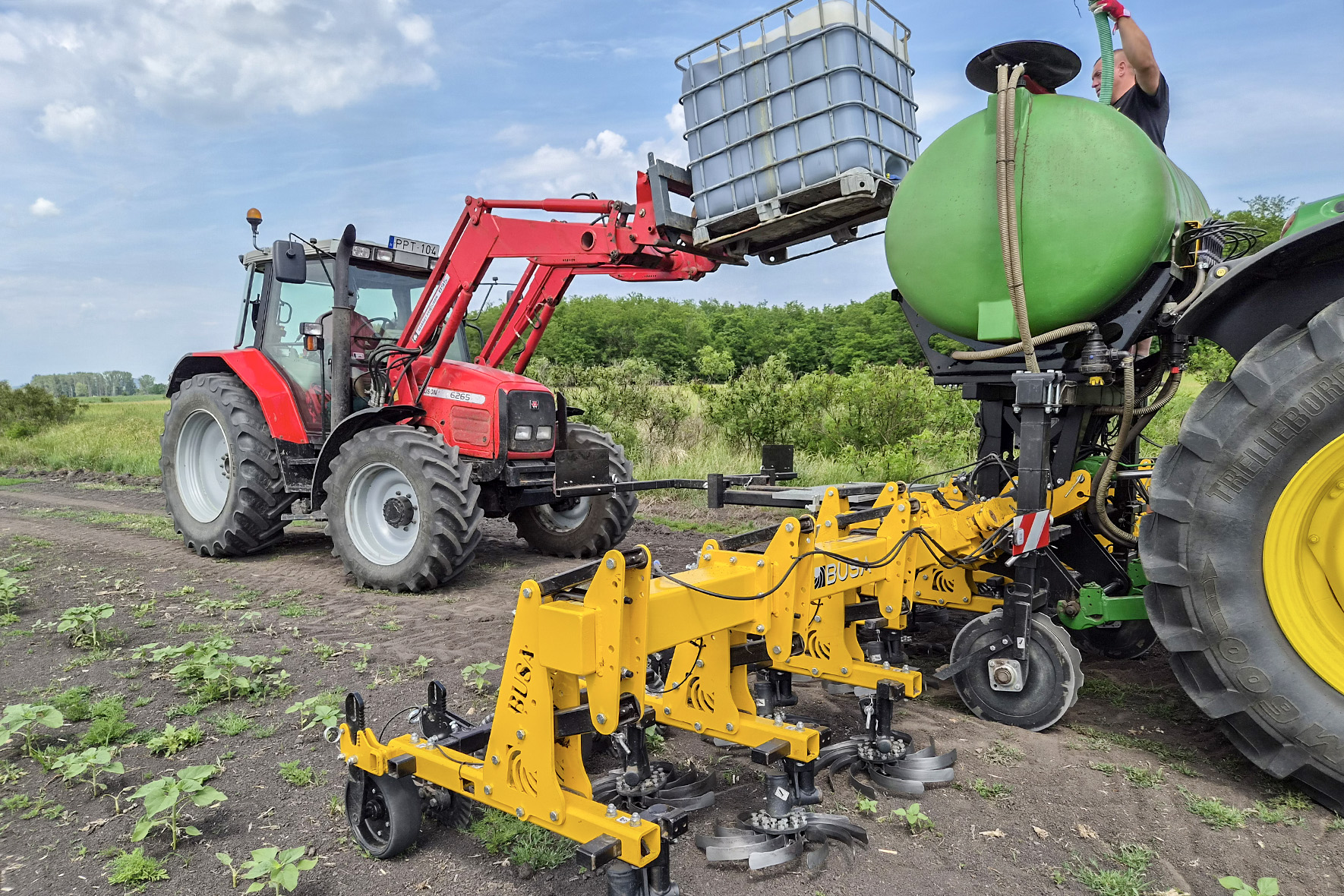
RTK‑GPS assists with row guidance, and the working speed is typically around 10 km/h with an approximately 8‑centimeter safety distance. Filling the tank is straightforward: the system is gravity‑fed from an IBC container lifted by a front loader. The net field capacity is surprisingly close to the theoretical value; on some days they cultivated nearly 50 hectares.
The biological aspect of nutrient supply also came up during the visit. For the treatments, they used a nitrogen‑based nutrient solution that also contained sugar. The idea behind this approach is that the sugar does not feed the plant directly, but rather supports the microbiological activity in the root zone. Under natural conditions, the plant itself releases a significant amount of sugar into the soil in the form of root exudates, thereby feeding the microorganisms living in symbiosis with it. In return, these soil‑dwelling organisms make nutrients available for plant uptake. The sugar‑enriched nutrient solution is intended to support this process. According to the farm’s experience, noticeable crop development can be observed shortly after the treatment.
An interesting piece of feedback also emerged regarding the quality of cultivation. On the fields where the farm used a spring‑tine cultivator, surface cracks had already appeared in the wake of the tines, whereas on the plots treated with the BUSA Rotor, no such cracking is visible so far. The likely reason is the more even, homogeneous loosened surface layer created by BUSA Rotor.
They encountered more serious compaction or crusted soil surfaces only on a few smaller fields, so the machine was not subjected to extreme loads. Even so, it was interesting to see how minimal the wear on the components was after more than 300 hectares of operation. Of course, there will certainly be even tougher conditions in Northeastern Hungary, but the initial experiences are definitely encouraging.
Based on the feedback from the operators and the farm, the system has fully met expectations: high field capacity, precise liquid application, and high‑quality inter‑row cultivation in a single pass.