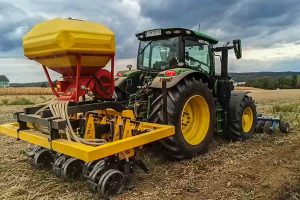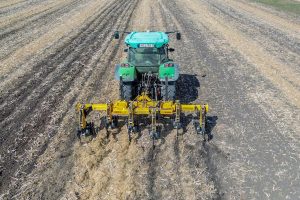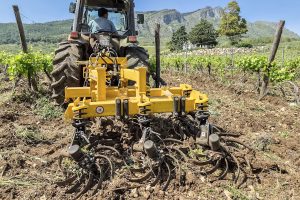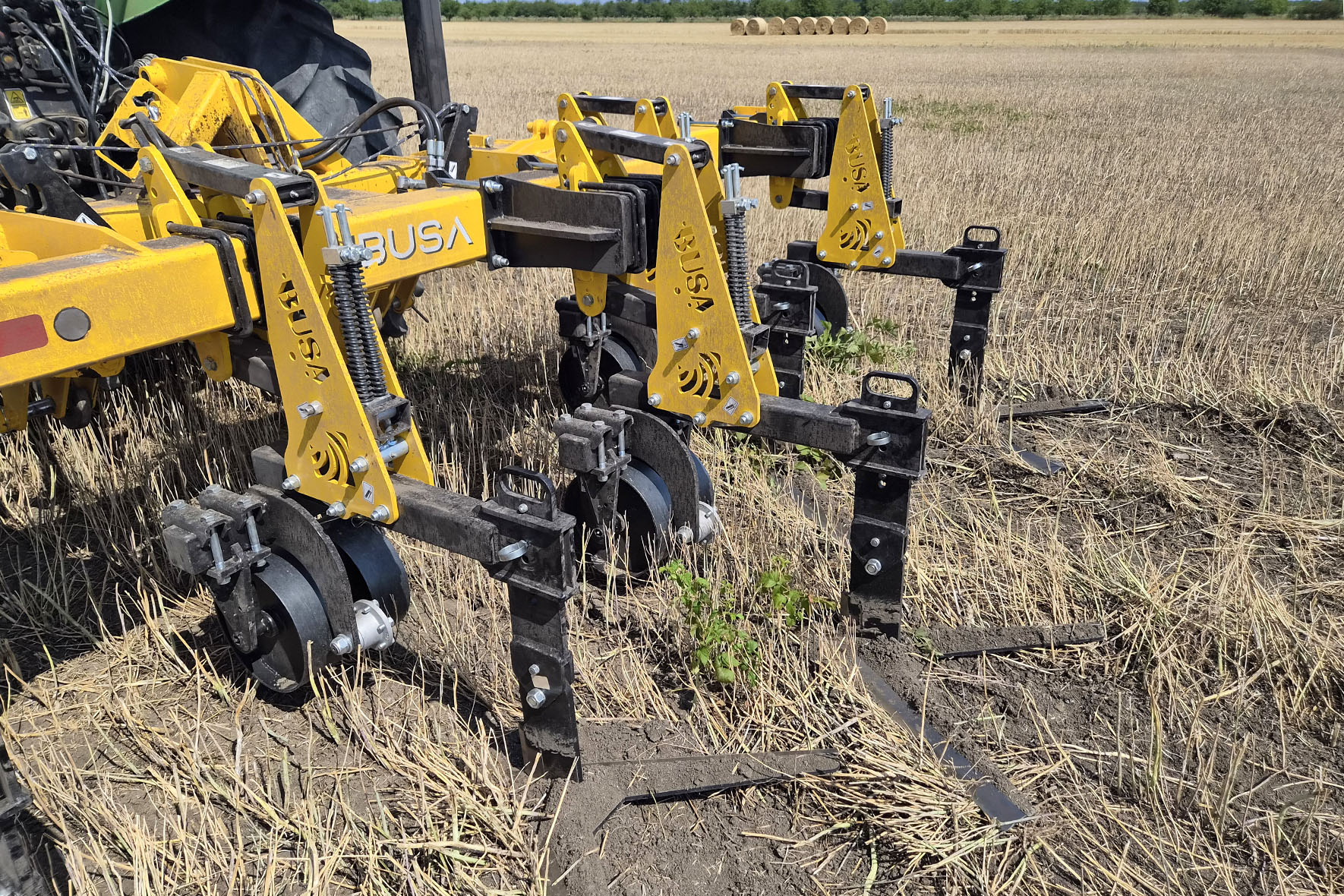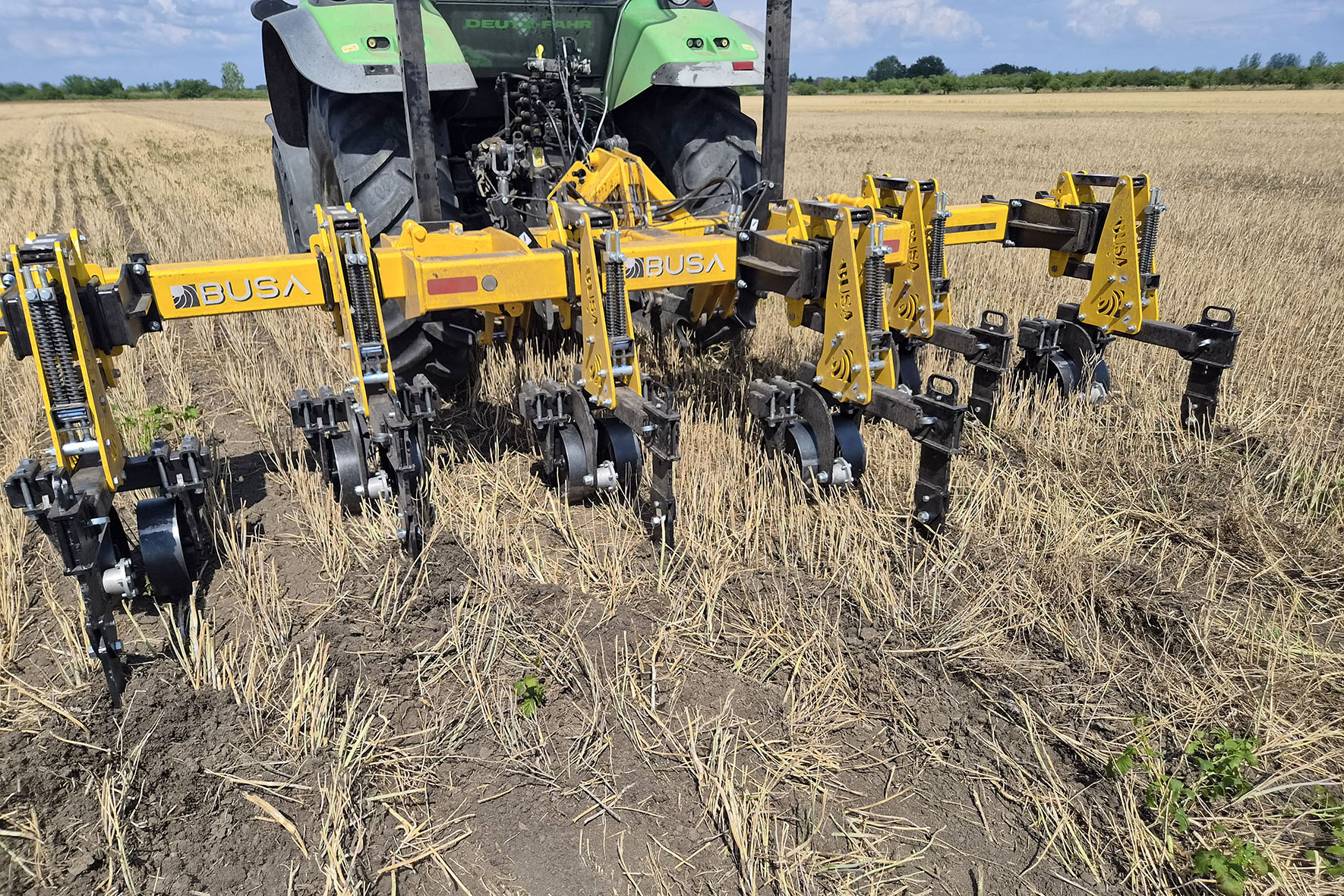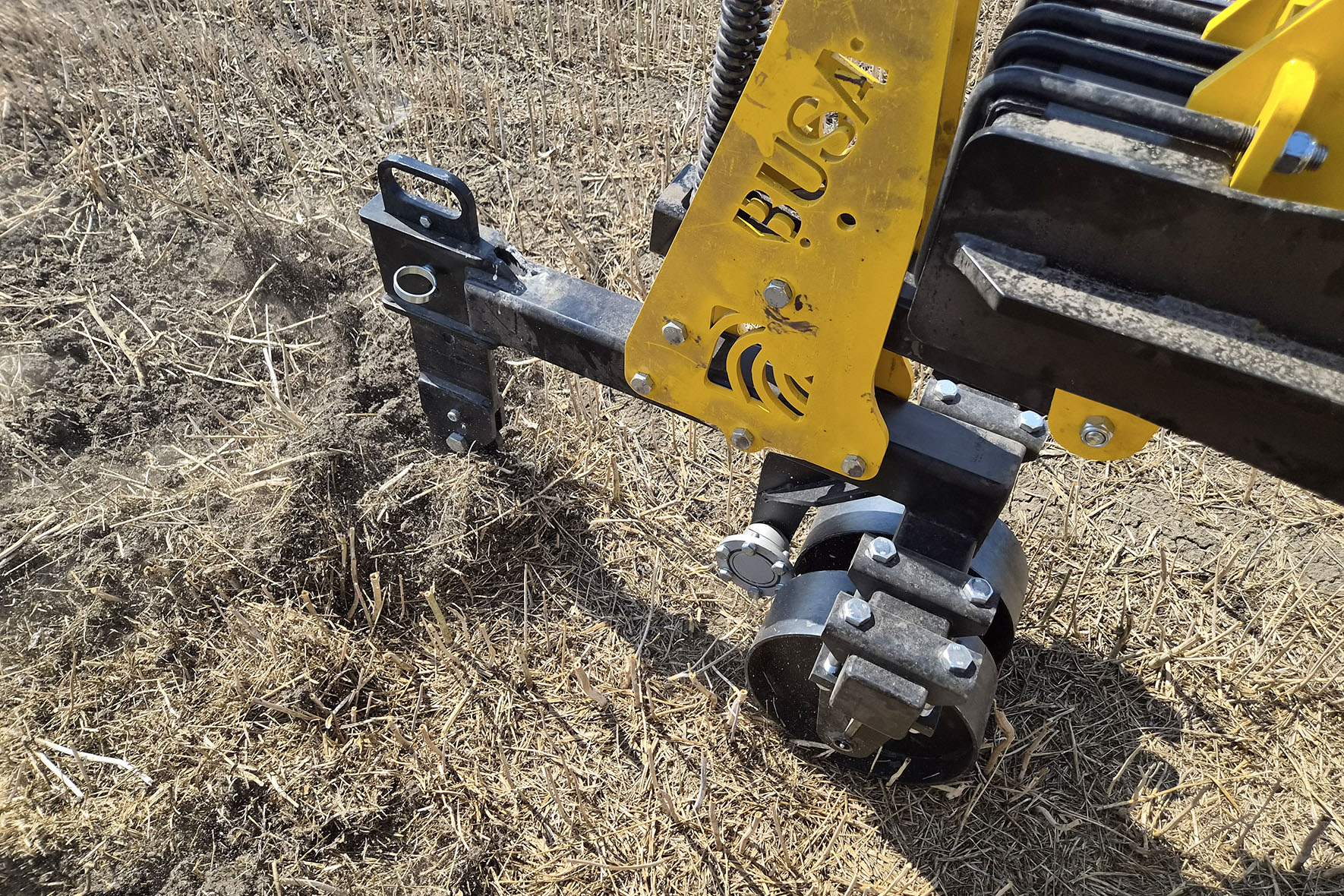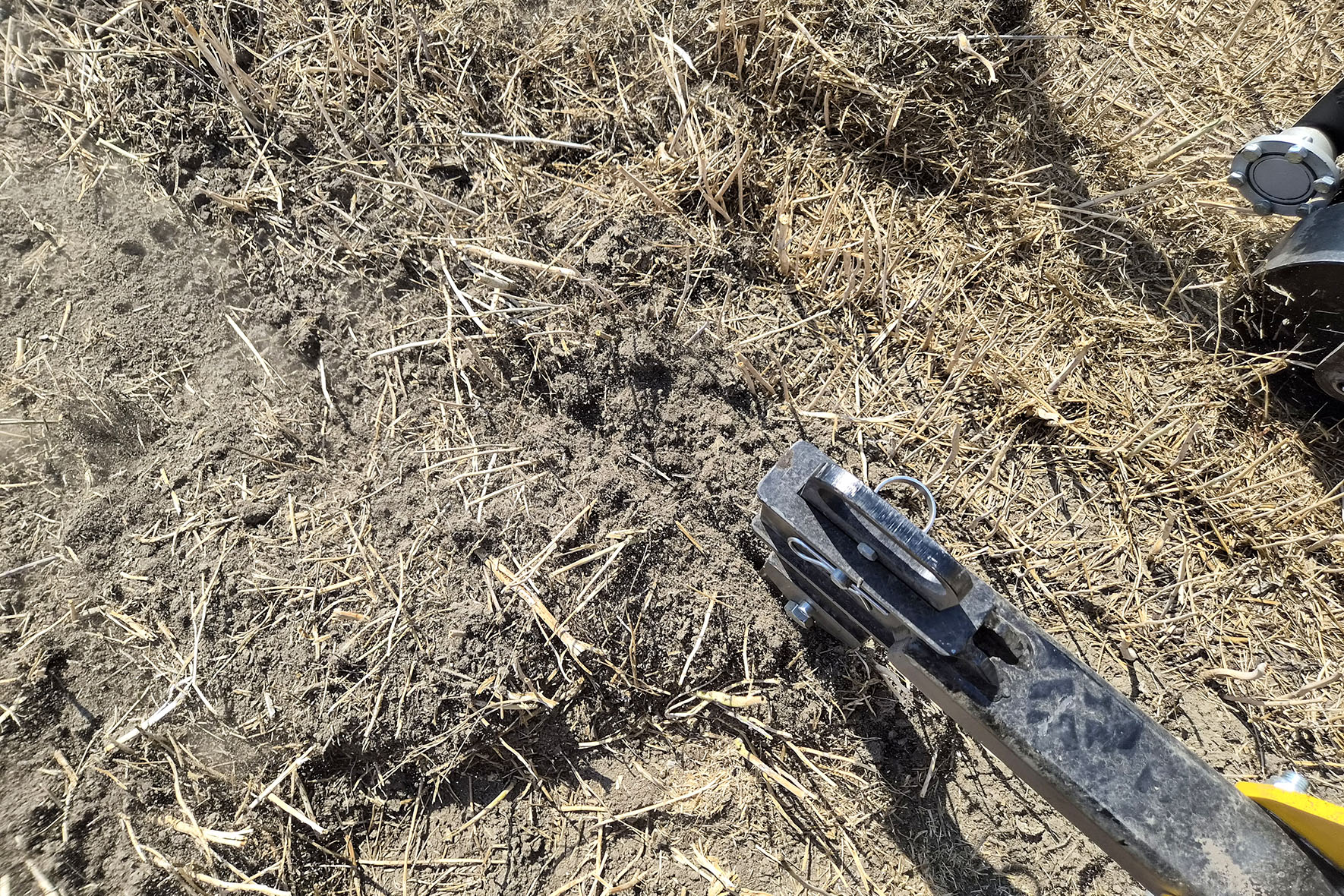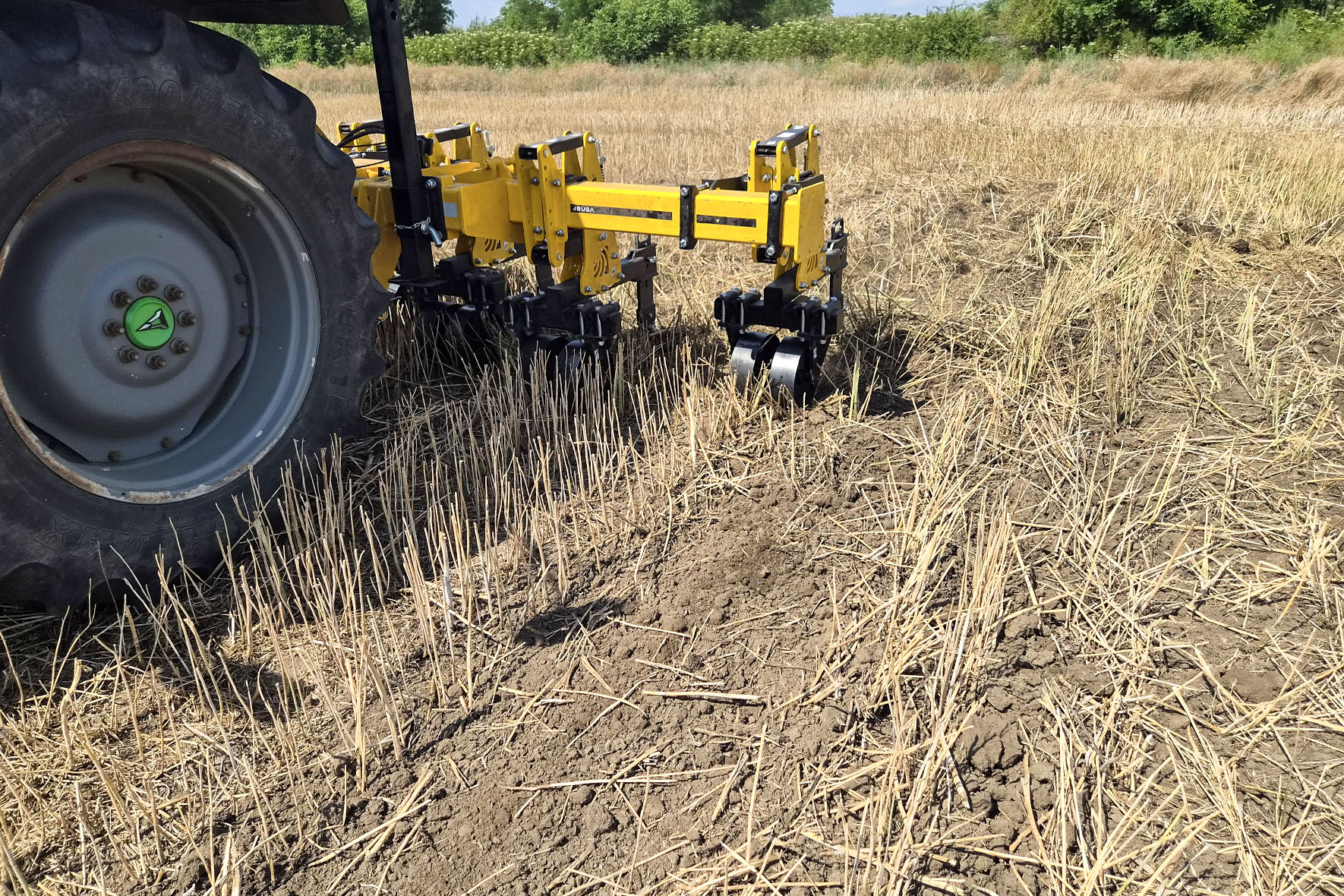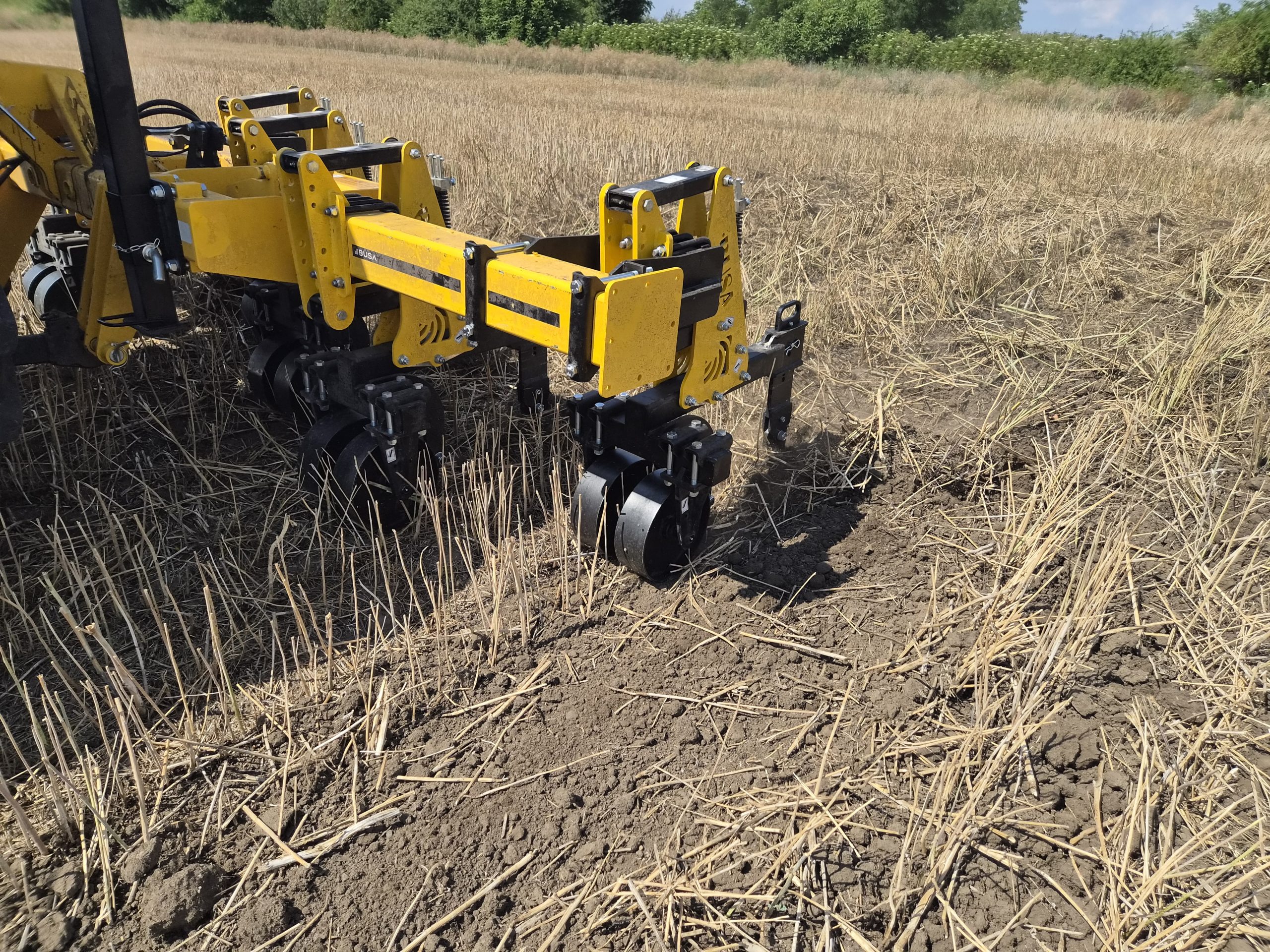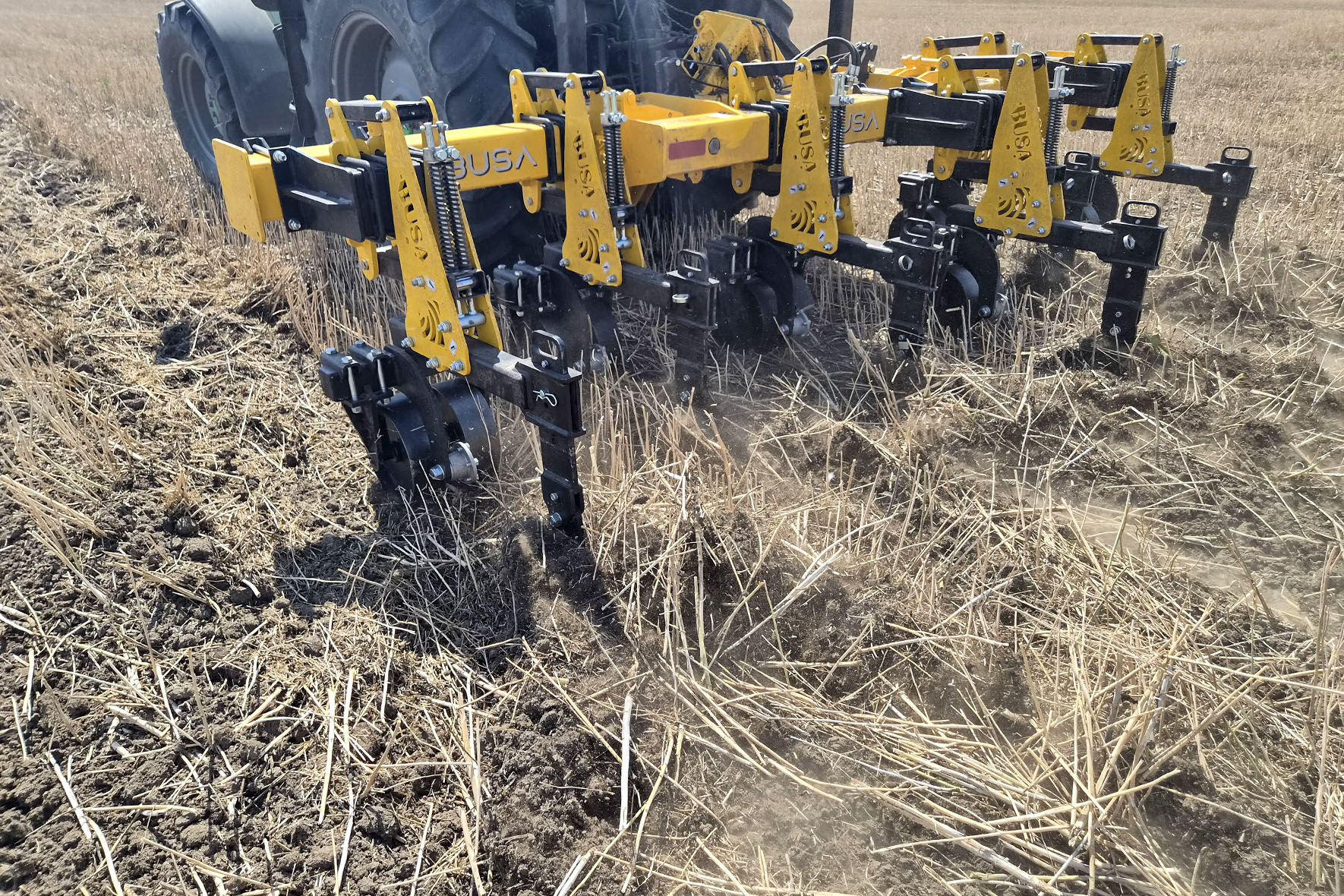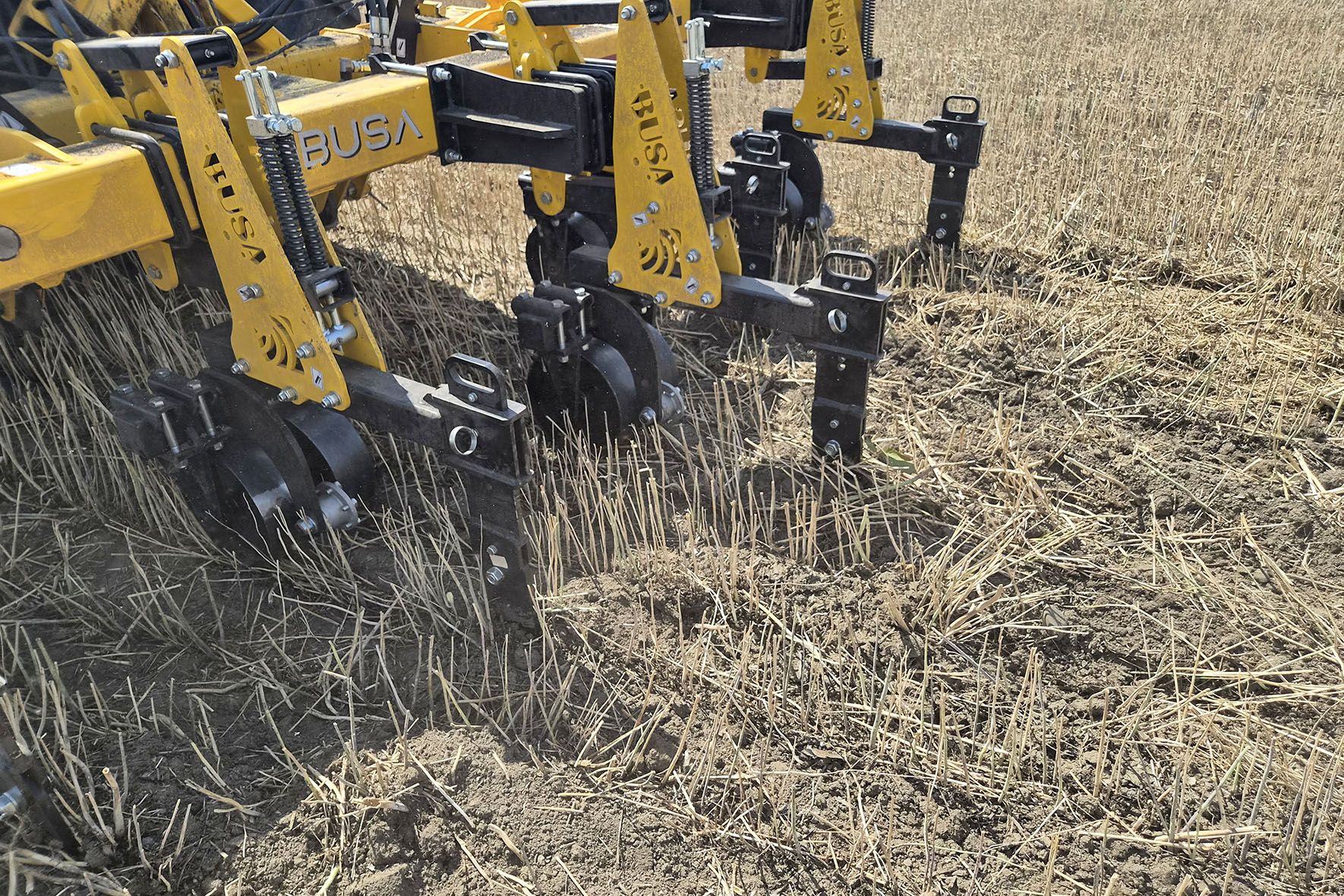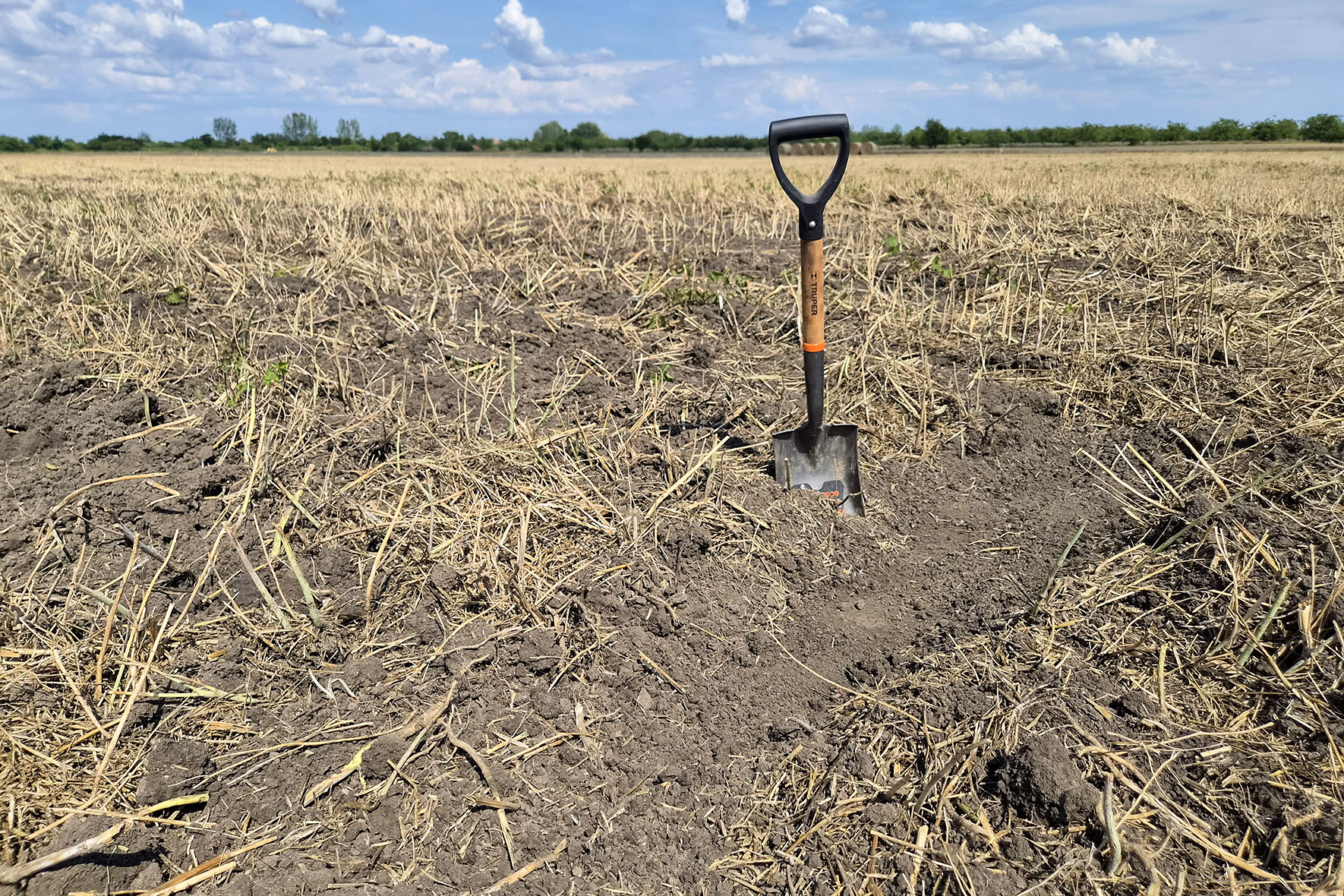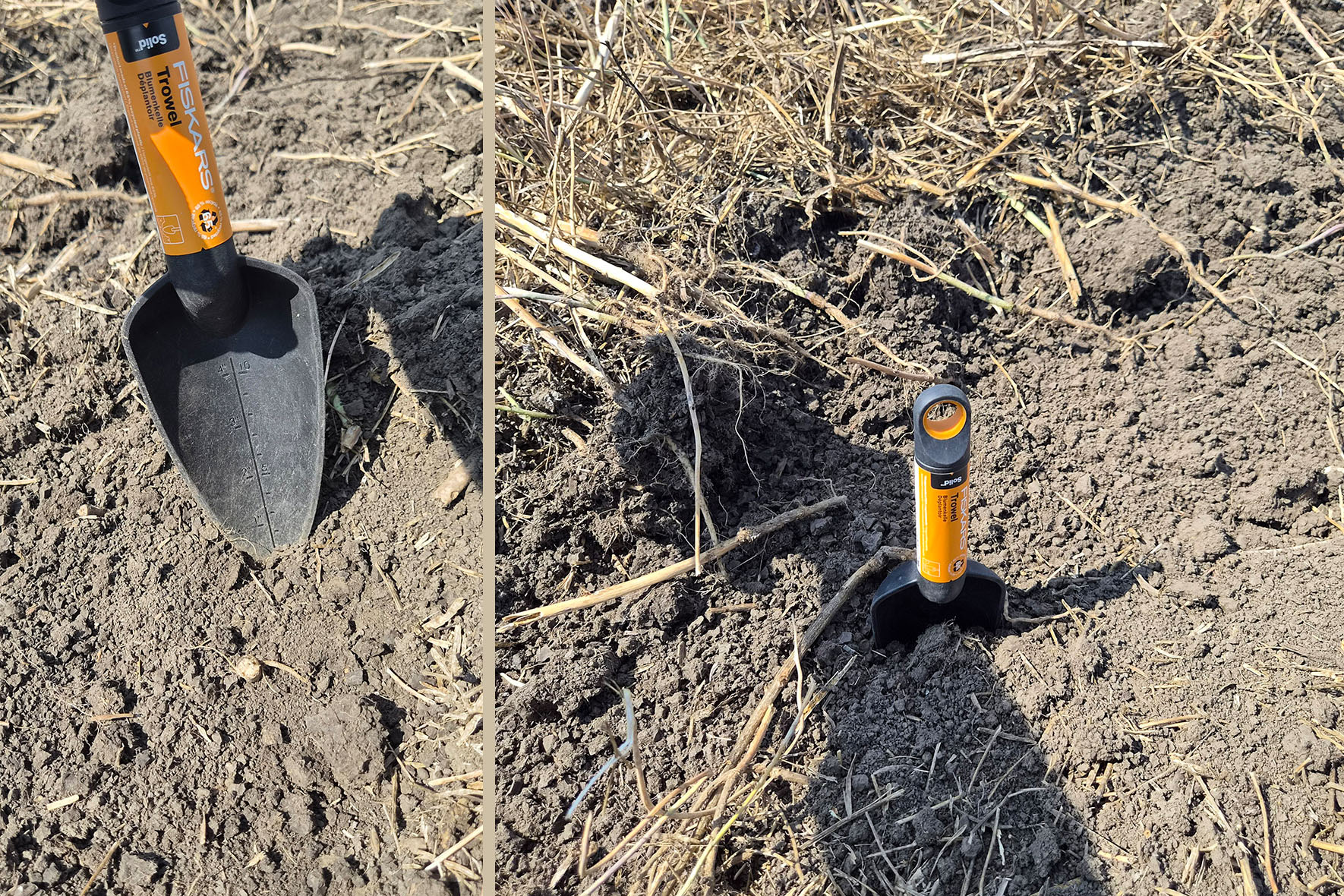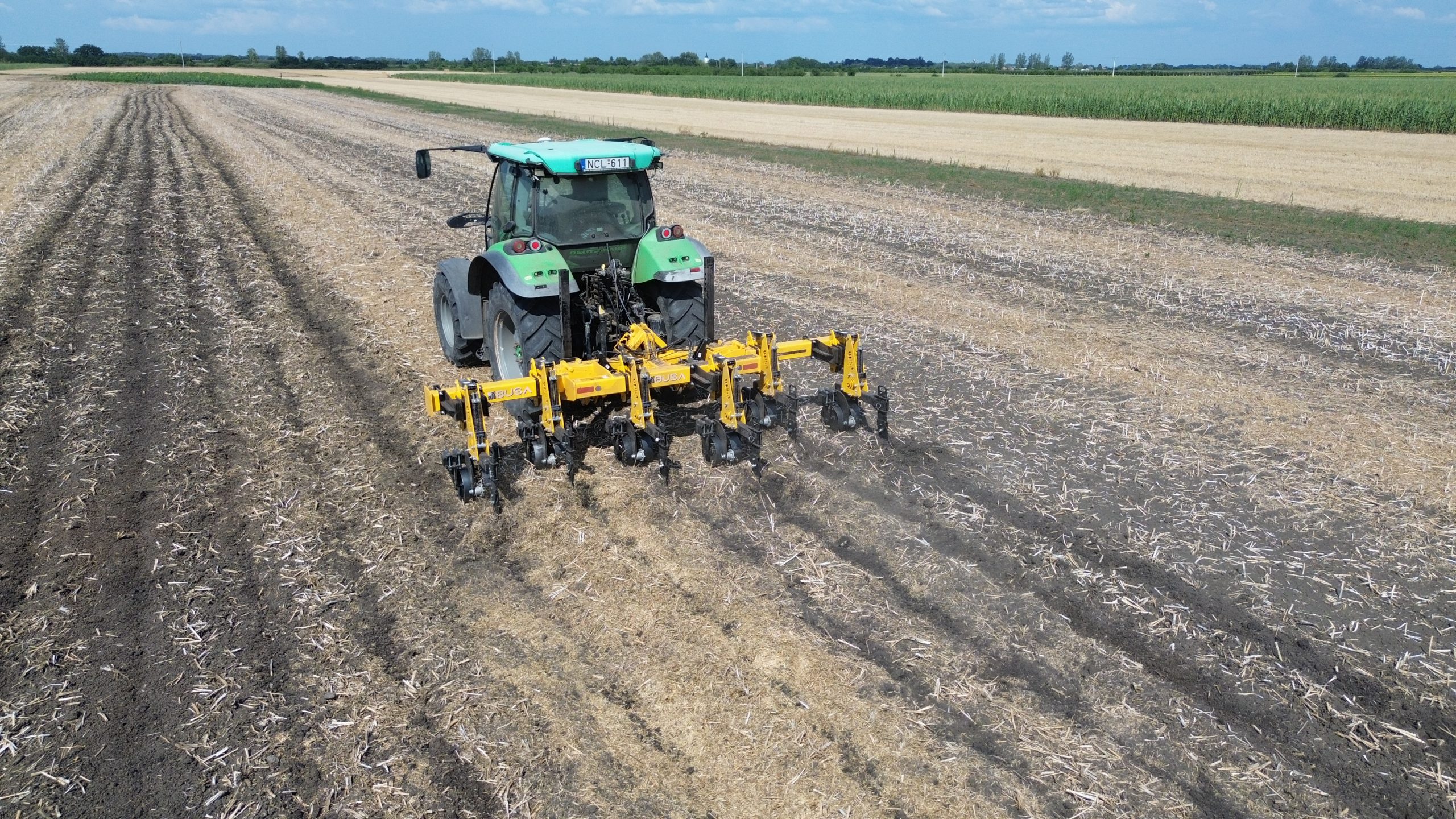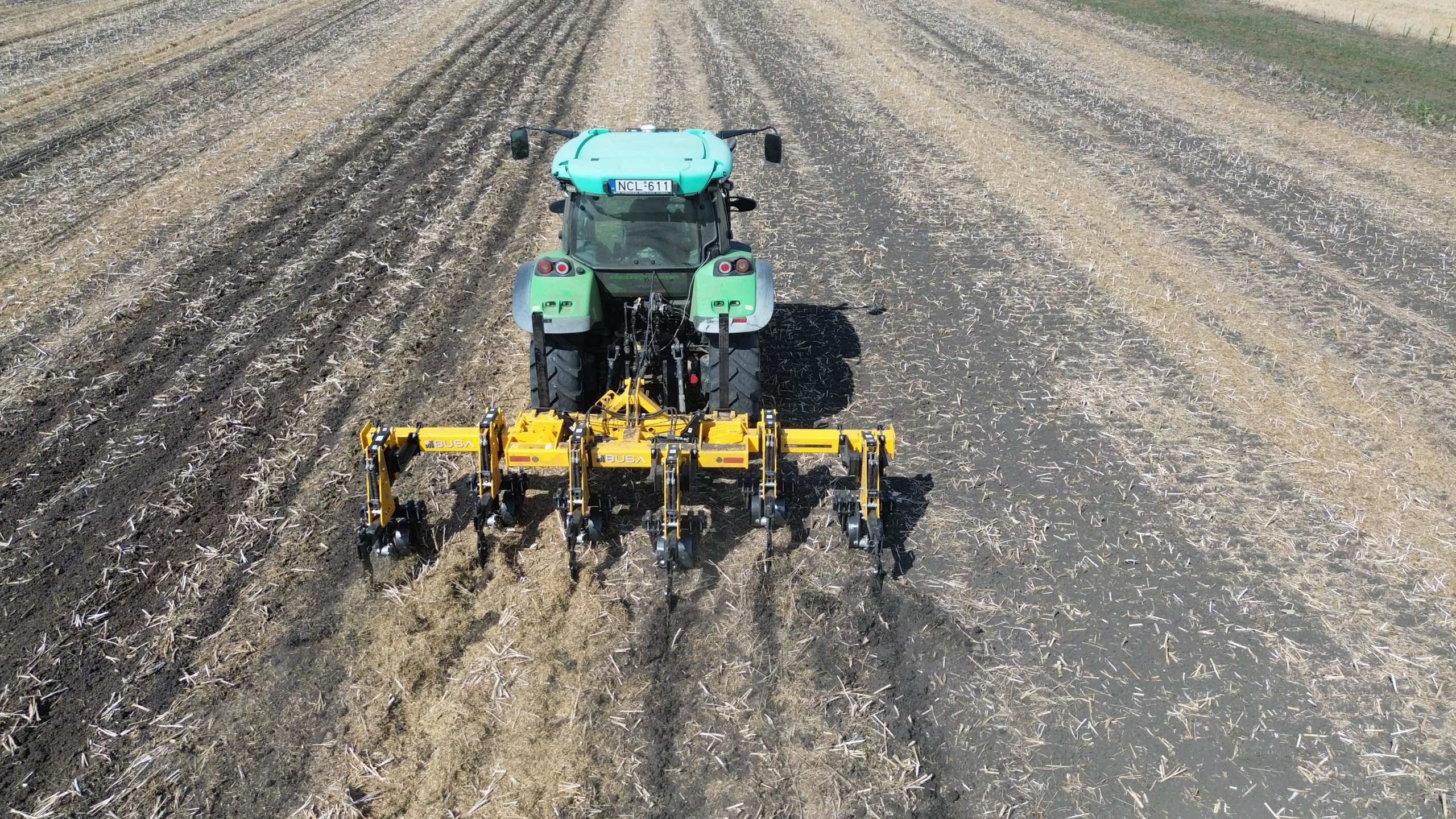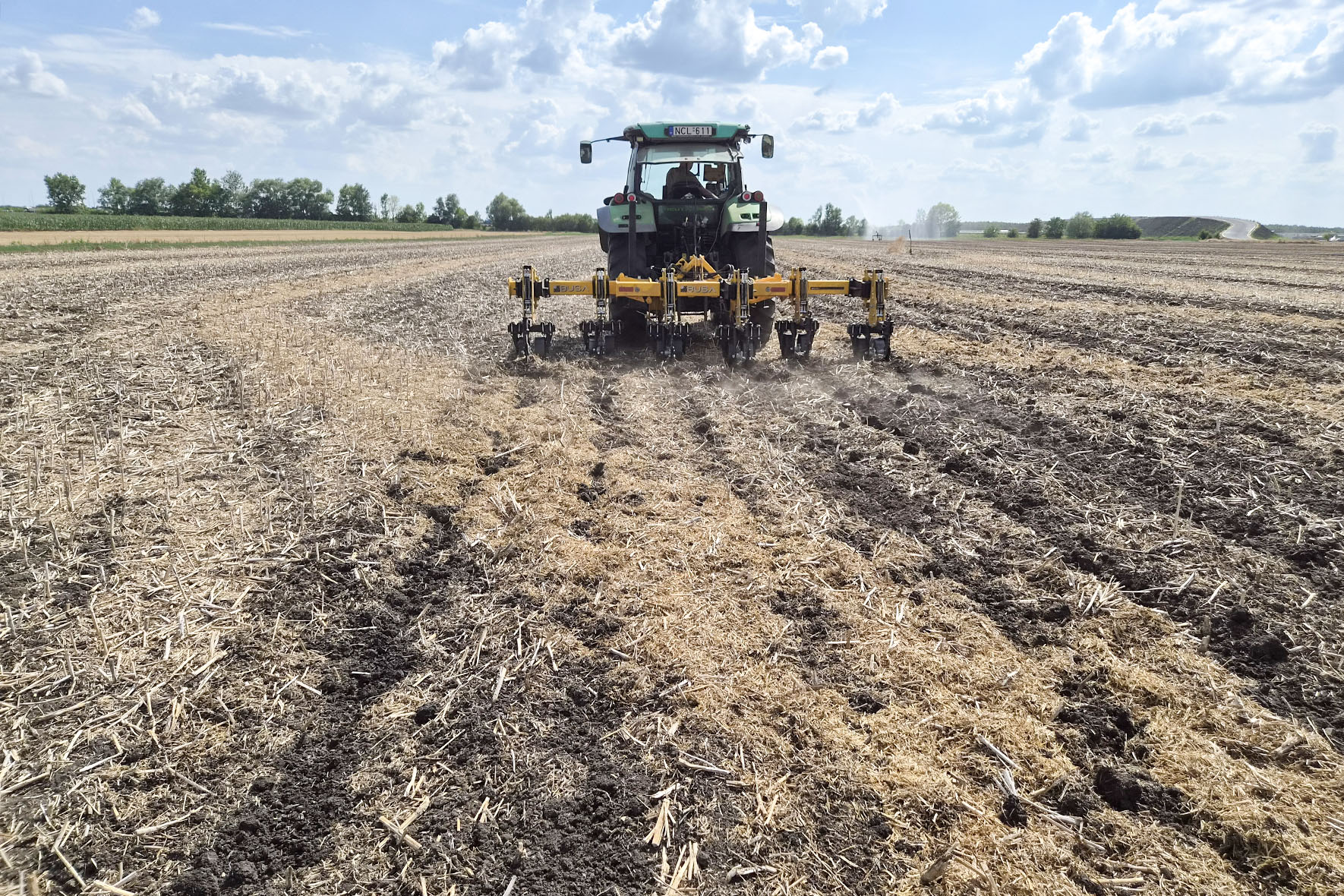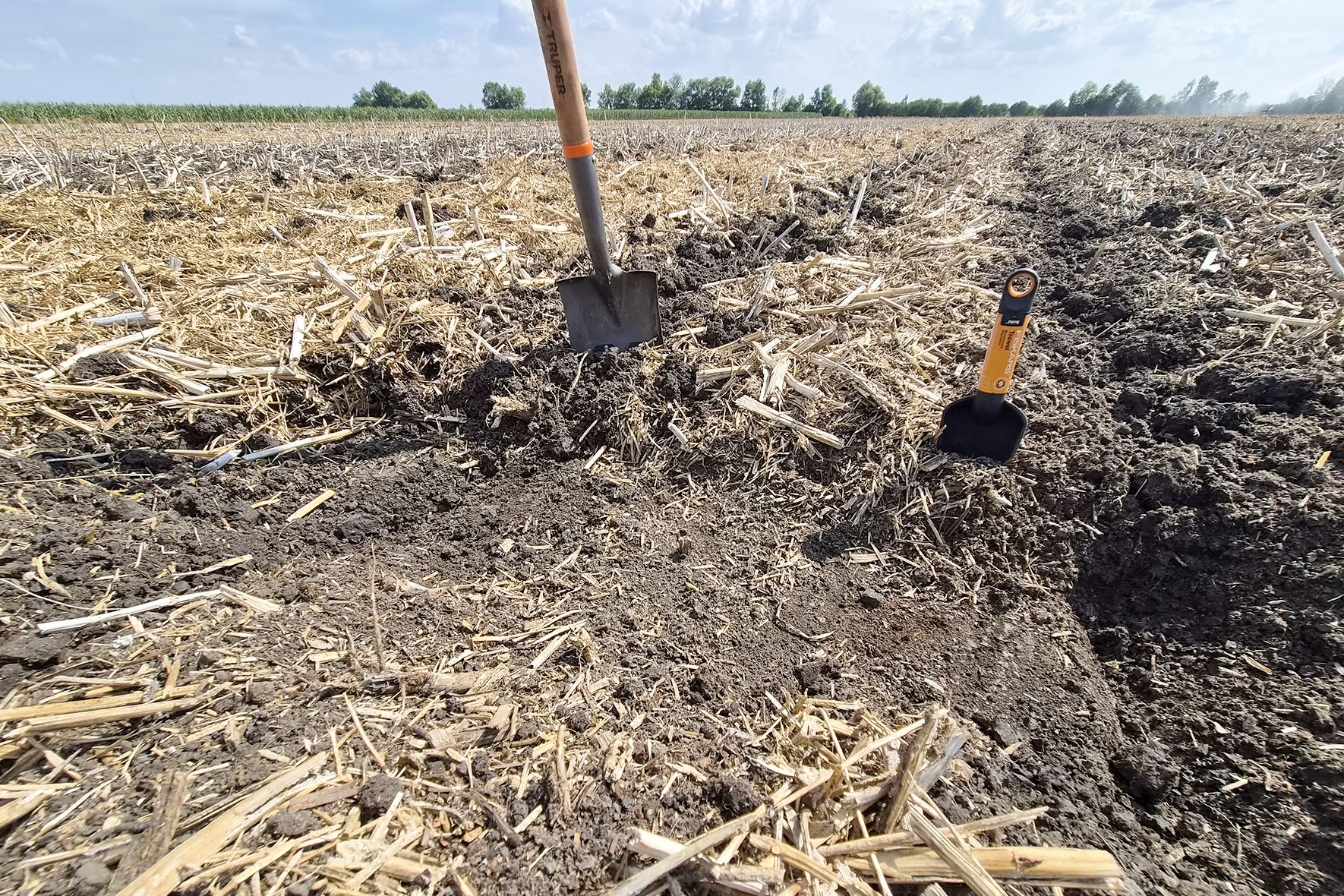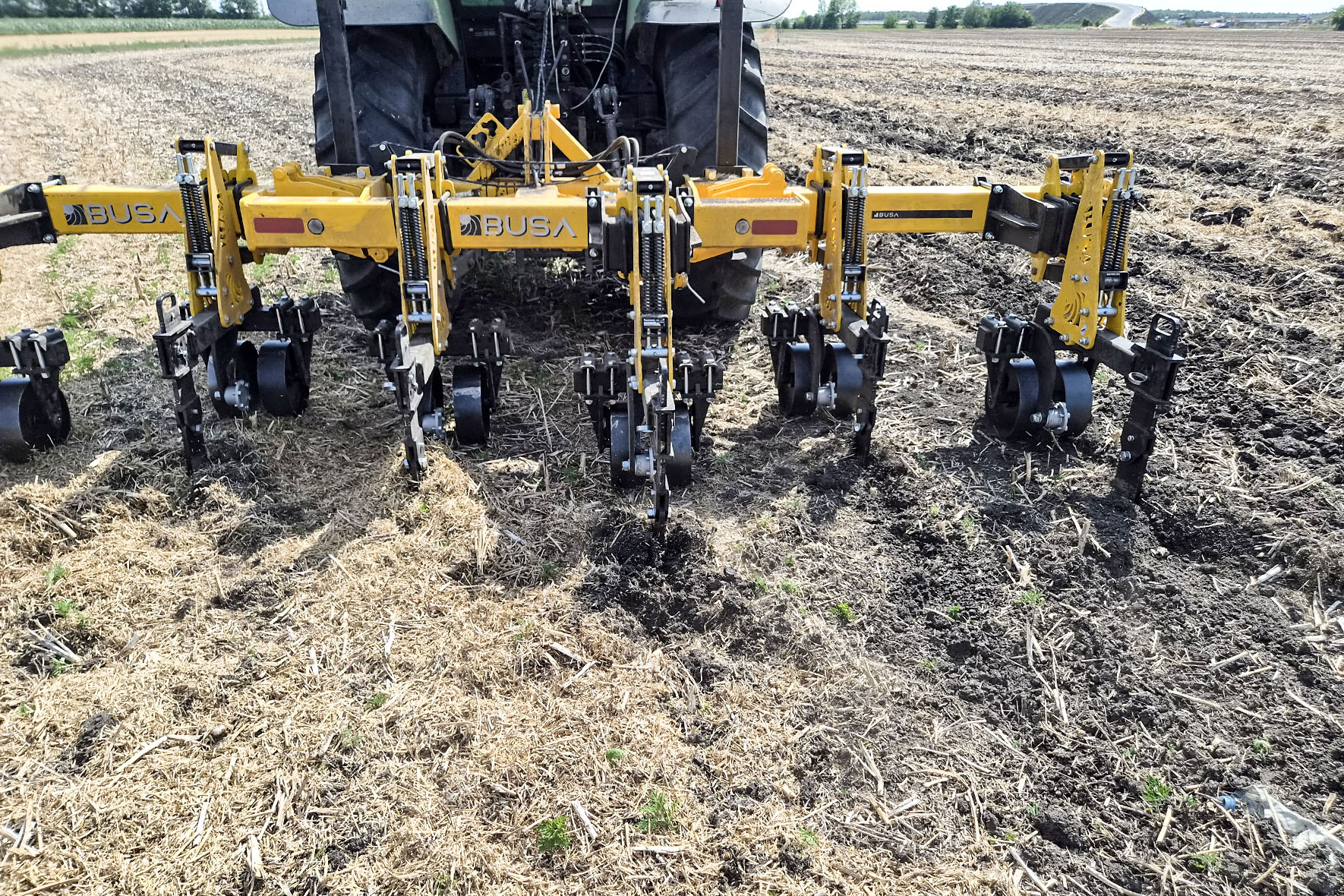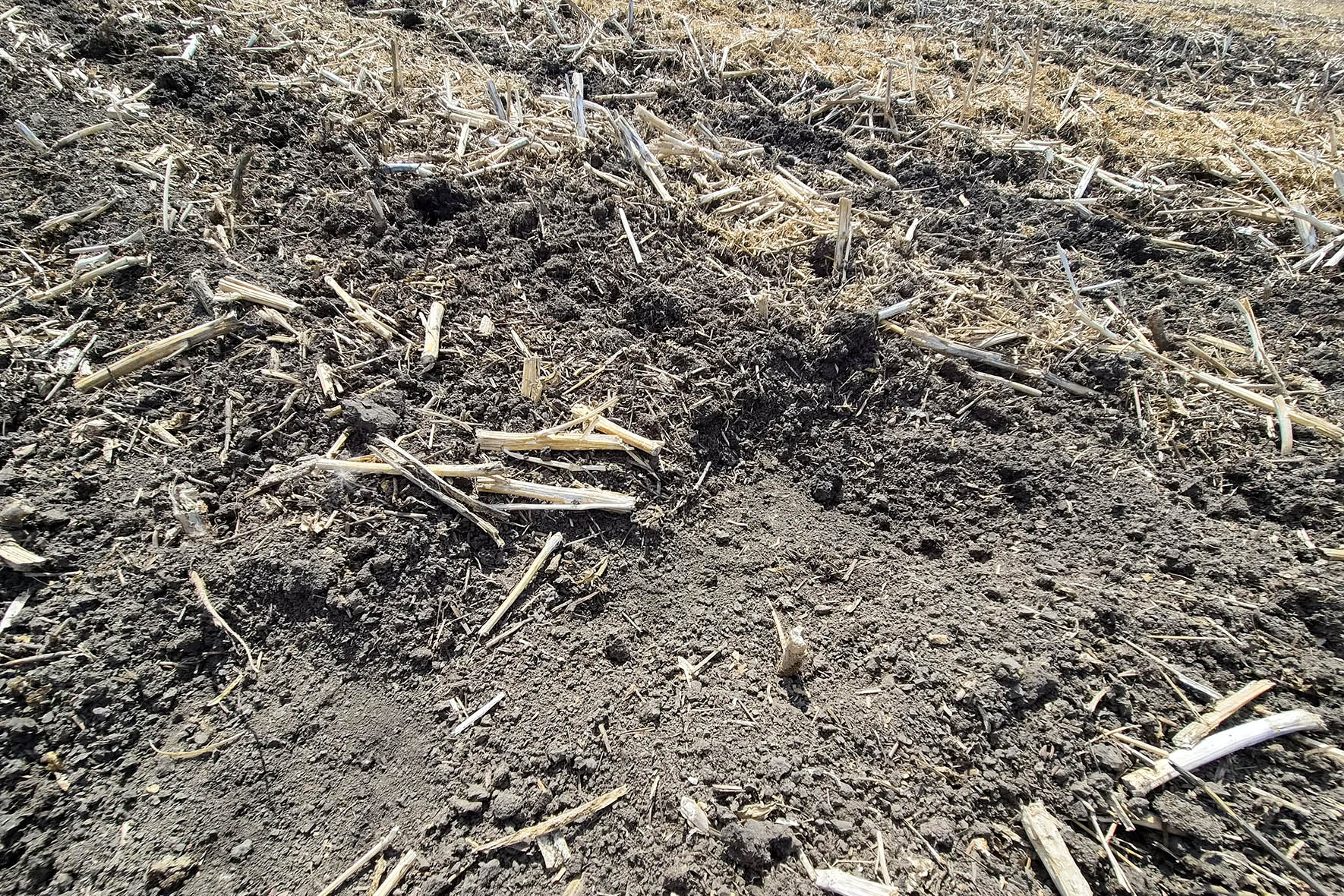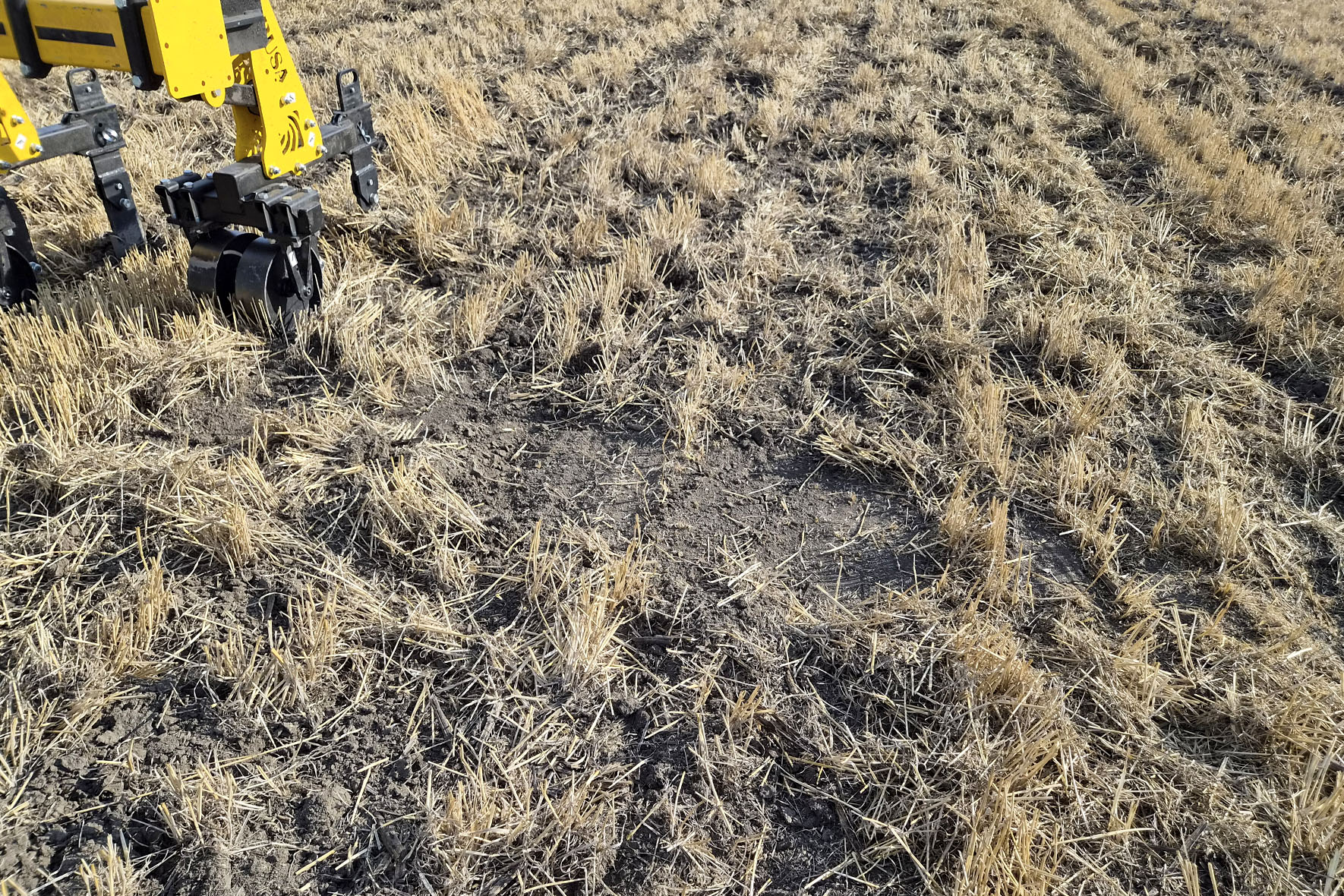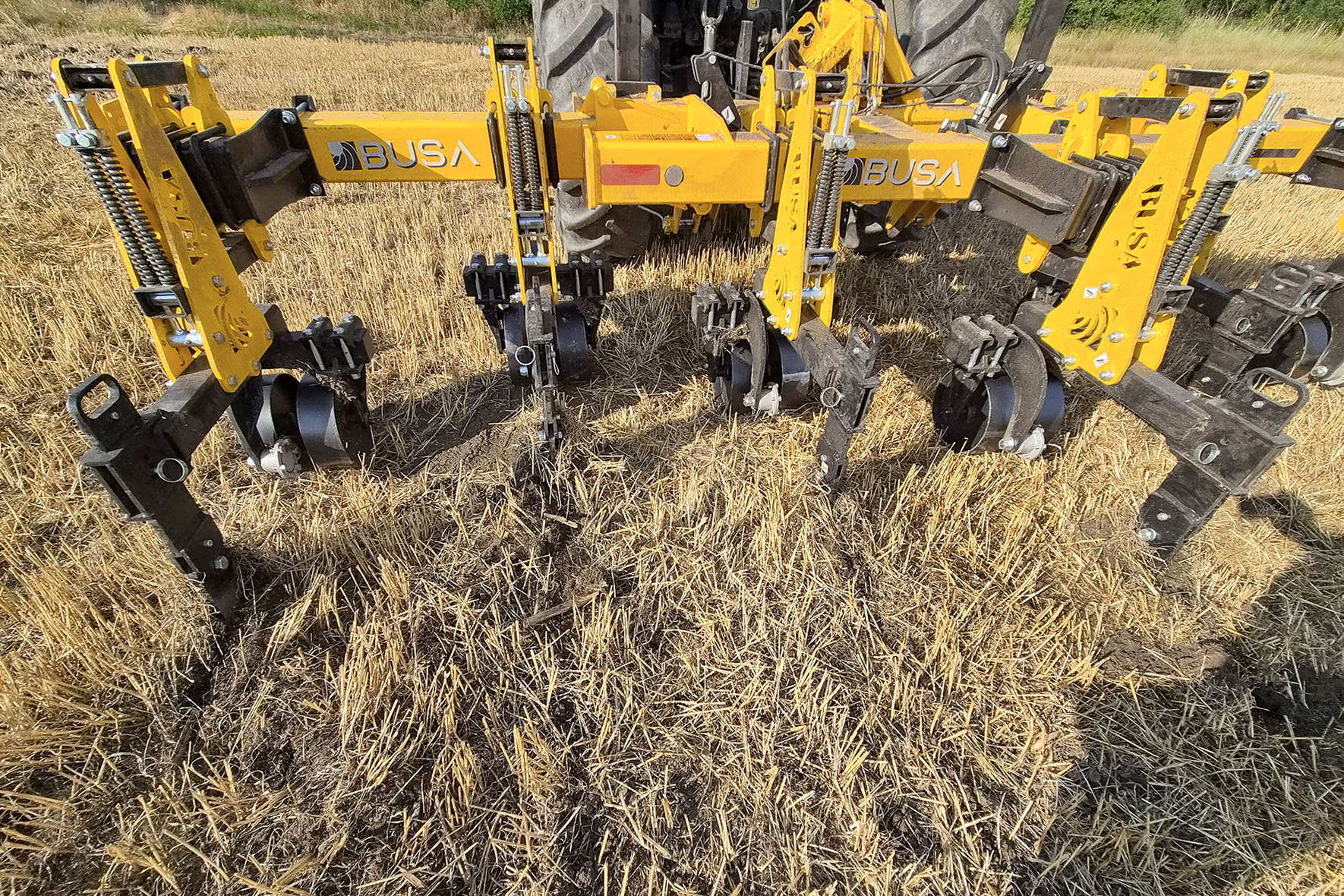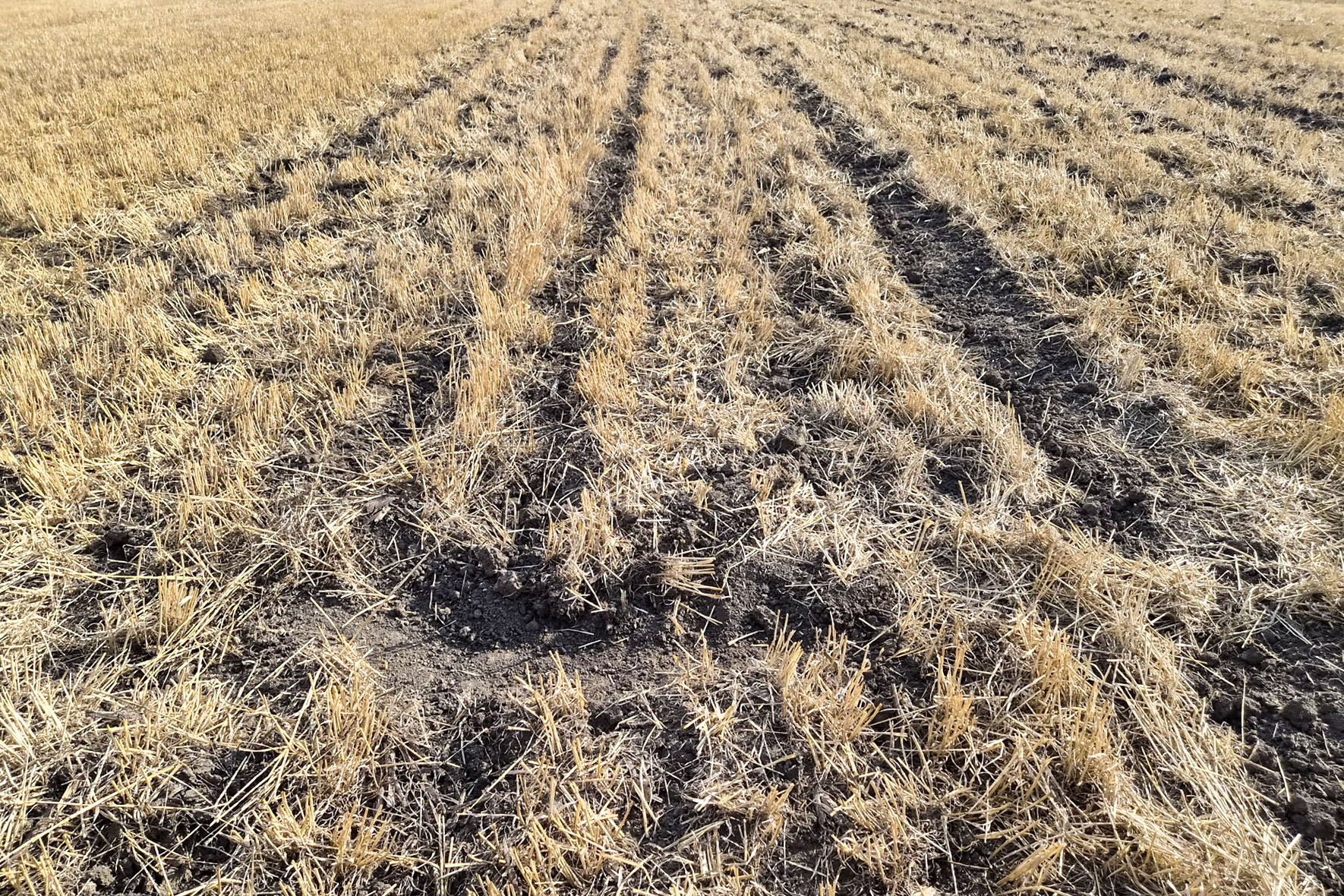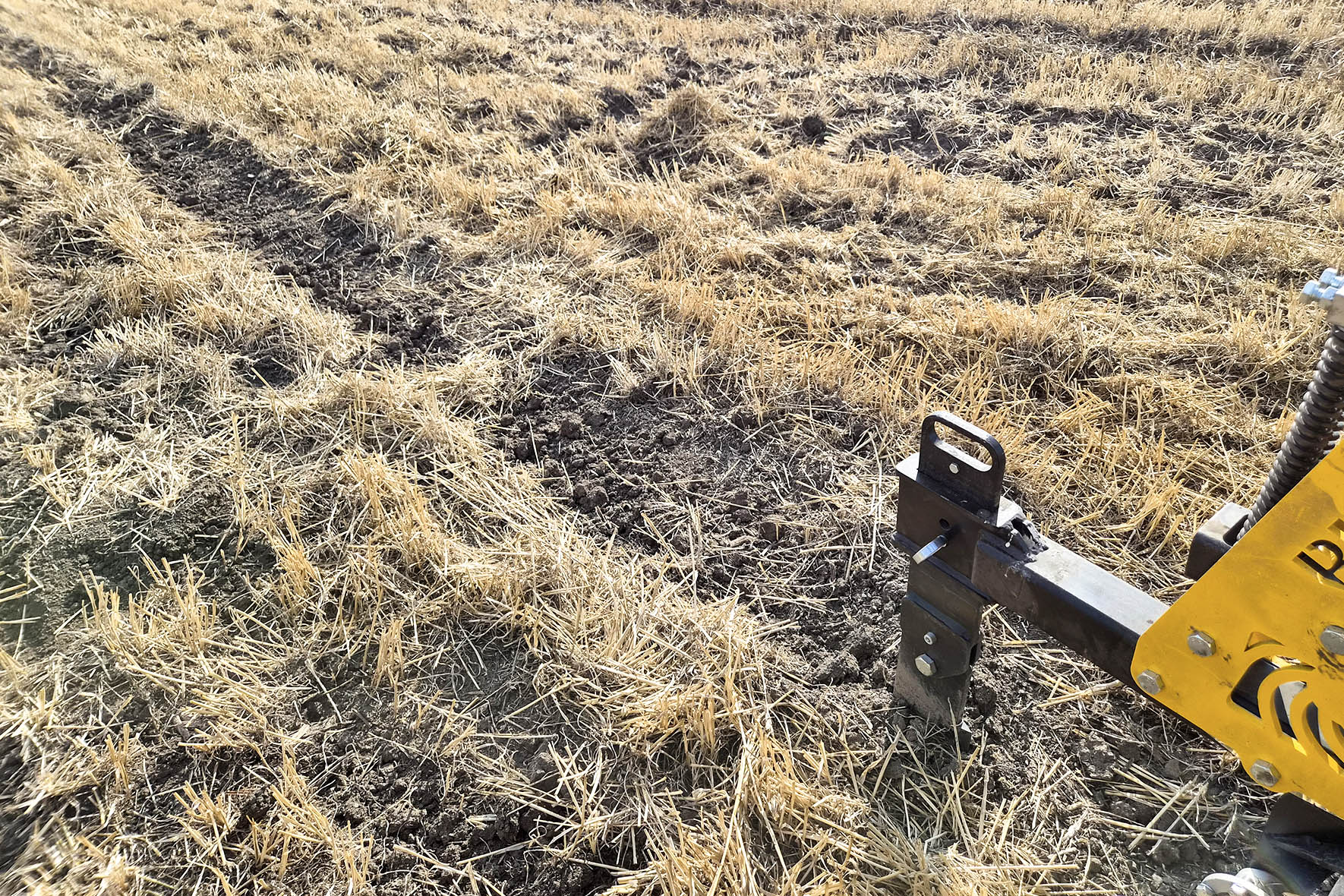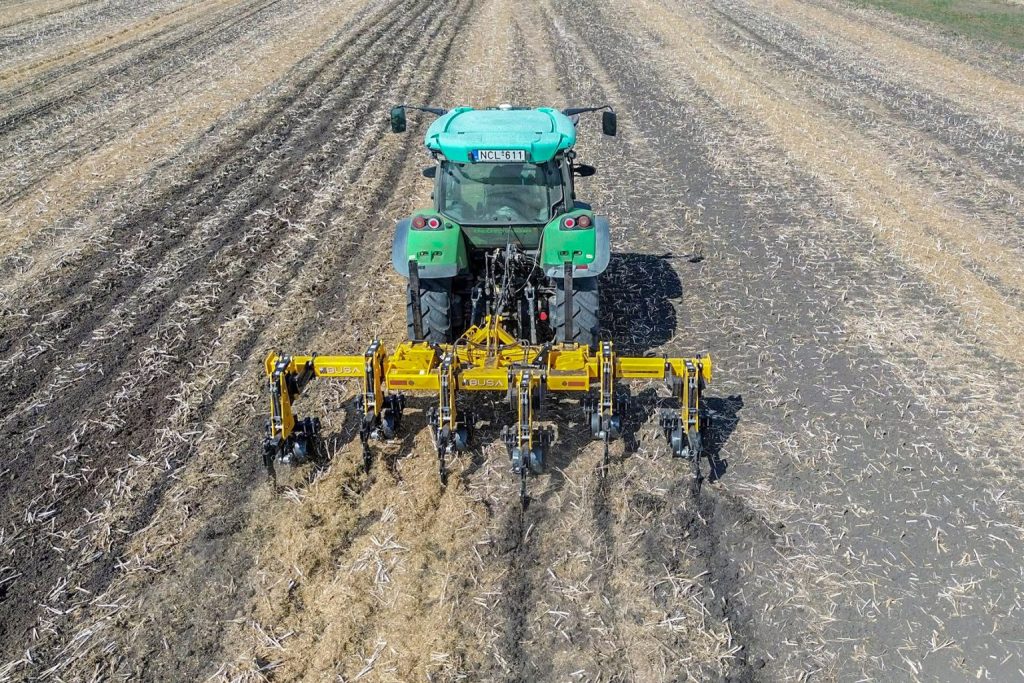
We continued testing the VrootR on black, heavy, dry, and compacted soil in Ököritófülpös.
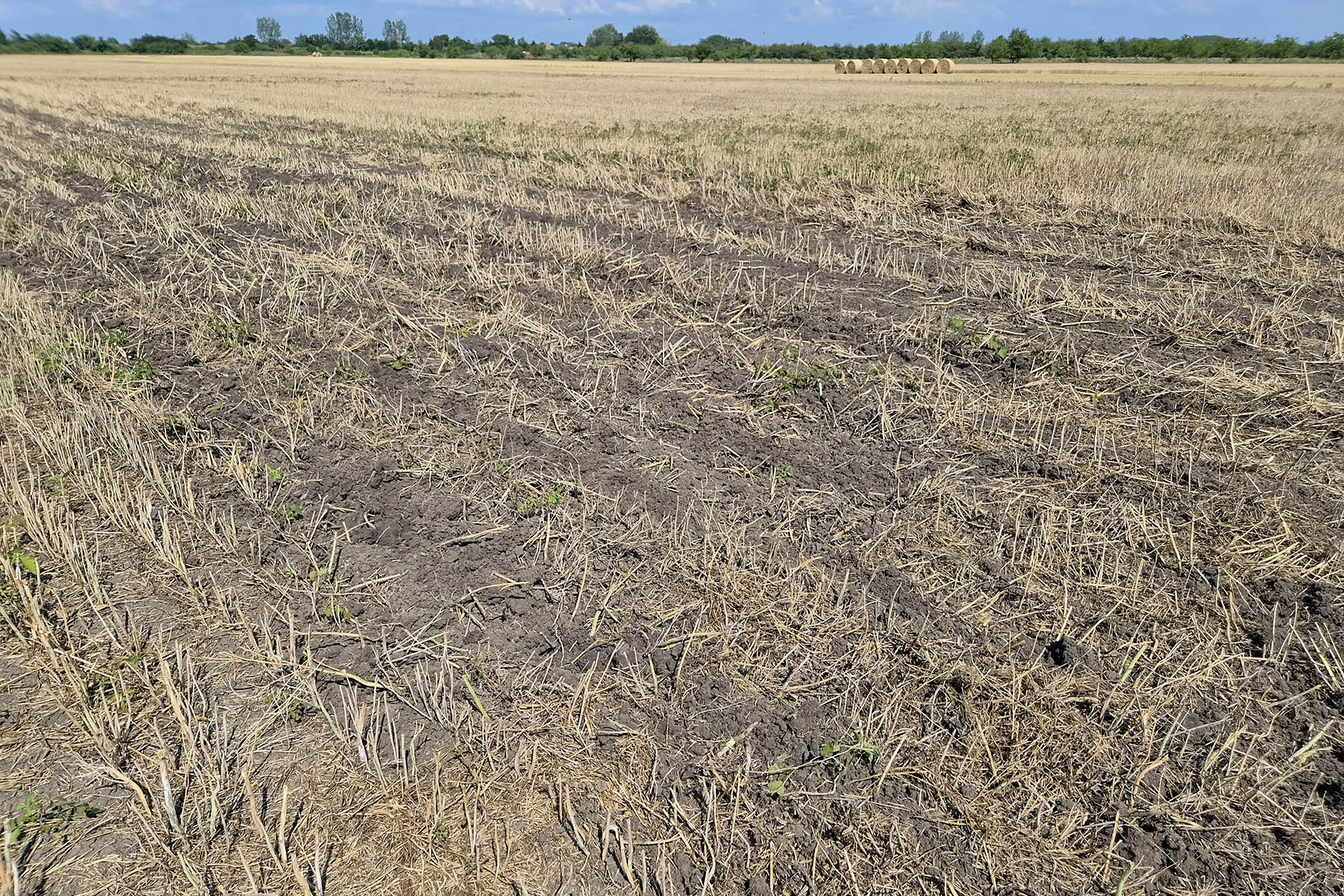
First, we were on a rapeseed stubble field with a high plant density and plenty of residue. It worked ideally at around 8 cm: it cut through the entire surface, sliced emerging weeds, eliminated the large cracks, and the plants remained standing on the surface because the soil disturbance was so minimal.
The second rapeseed stubble was sparser, with less residue, so we were able to work shallower — the working depth could be 5–7 cm. The soil structure was also easier to cultivate. With a more capable seeder, it could already be sown.
Third, we moved on to a grain stubble field. It was denser and harder than the rapeseed, so we set the machine to its deepest position. It was interesting: the blade cut through, working at 10–12 cm, yet the surface remained so intact that the hard blocks only cracked but stayed together in palm‑sized islands. If these break apart, the surface becomes uneven. Coming back up, we found a setting where the depth stayed around 5 cm. Interestingly, the loosely cultivated top layer didn’t hold the cut stubble residues, so the surface looked a bit chaotic, but it still cut through about 90% everywhere — no large cracks, loose structure, plants remaining on the surface. It’s “only” 90% because, as we realized, 5 cm is already so shallow that if a furrow runs under the 80 cm‑wide blade, the standing stubble remains at the bottom of that groove.
So far, the carbide tips are holding up well, and the wings haven’t worn down either.
We removed the disc already on the previous test day. Neither the pre‑cutting, the crack‑direction control, nor the cutting of residue justified keeping it on — and on dry, cohesive soil it requires a very high pressing force.