BUSA ​​in Action – Sicilian adventures where the olive tree grows on the rock

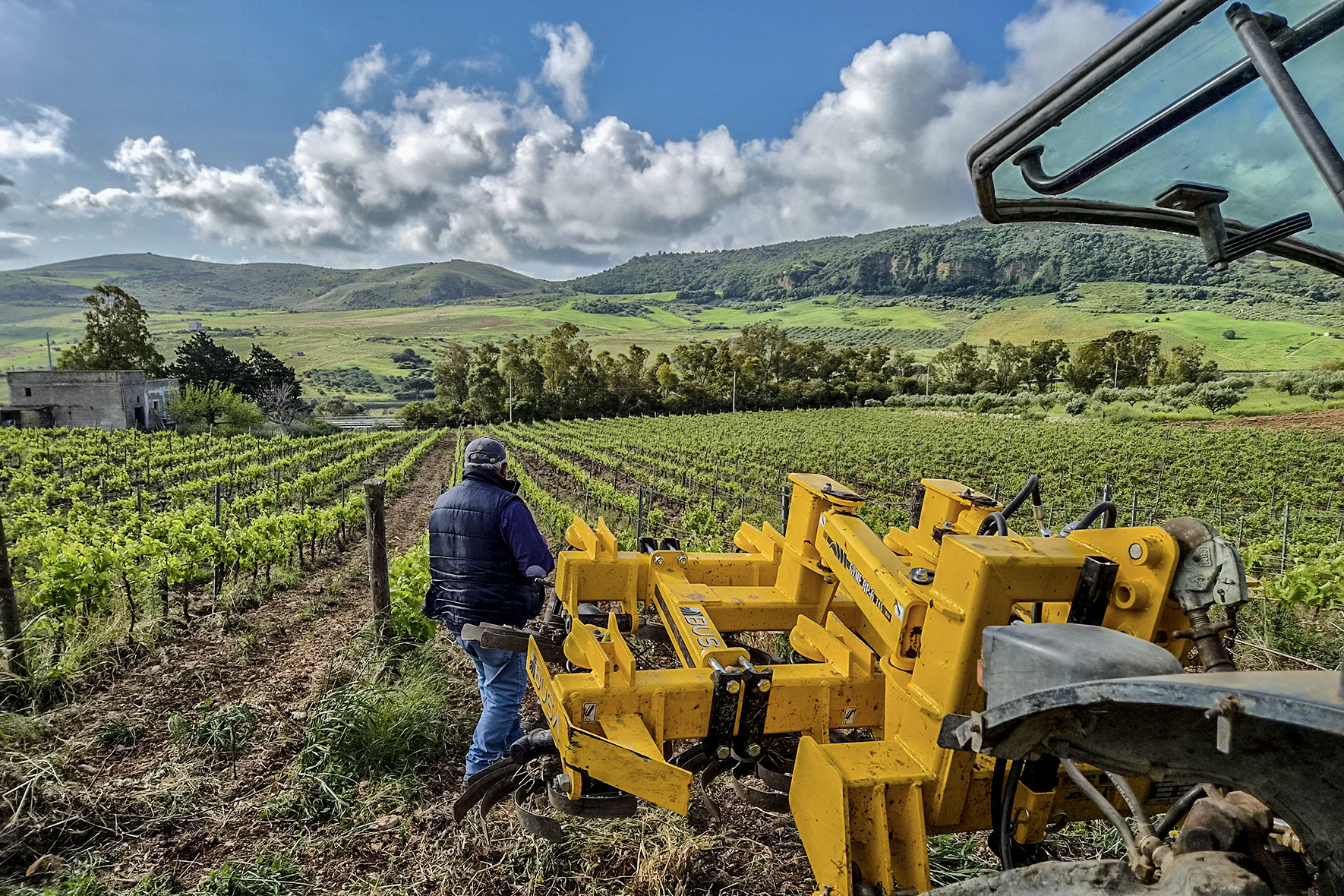
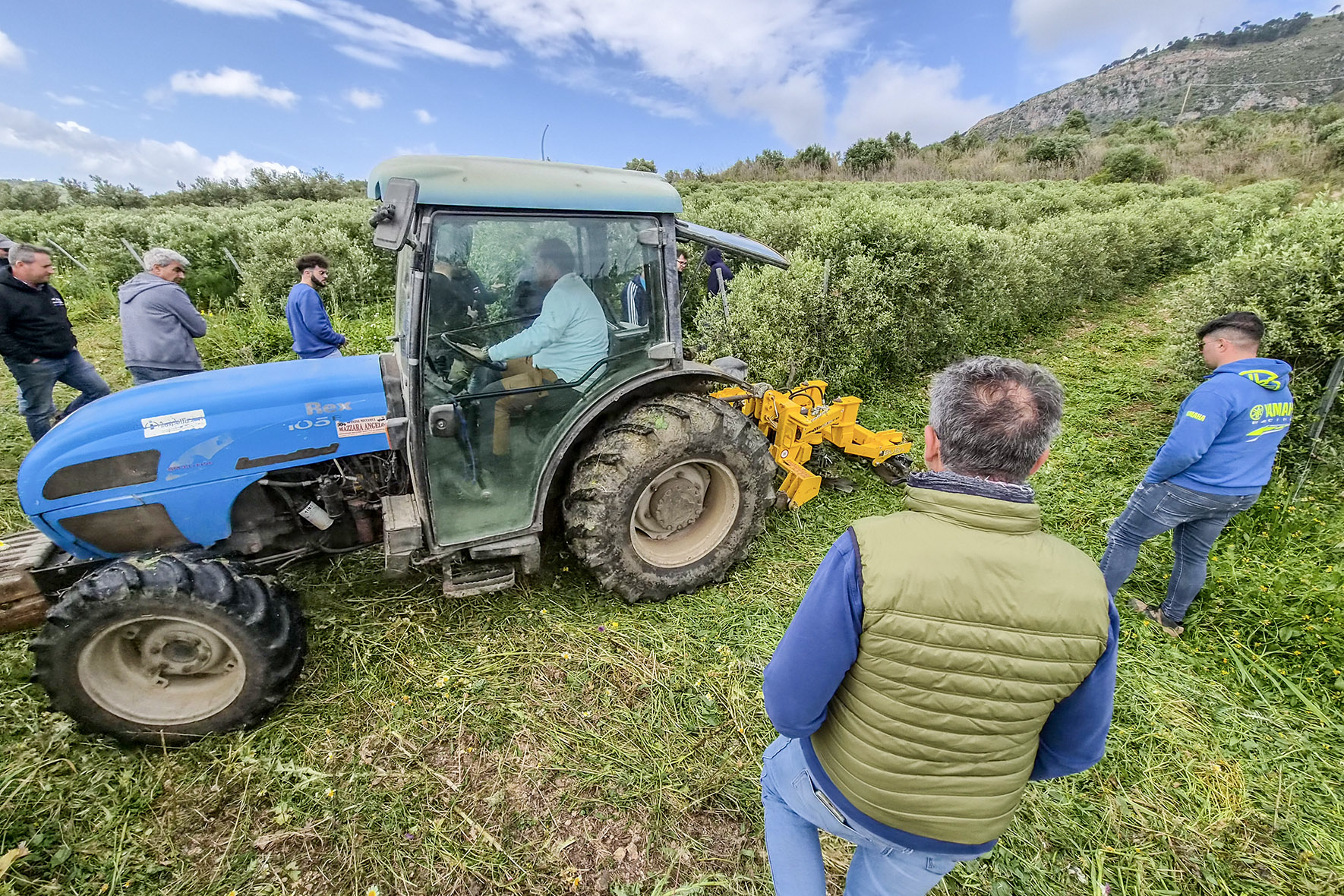
I visited a machine site worth sharing — this time BUSA GYMF made it all the way to Sicily.

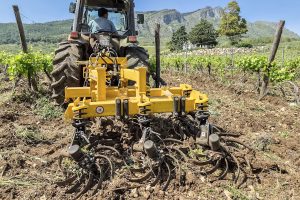
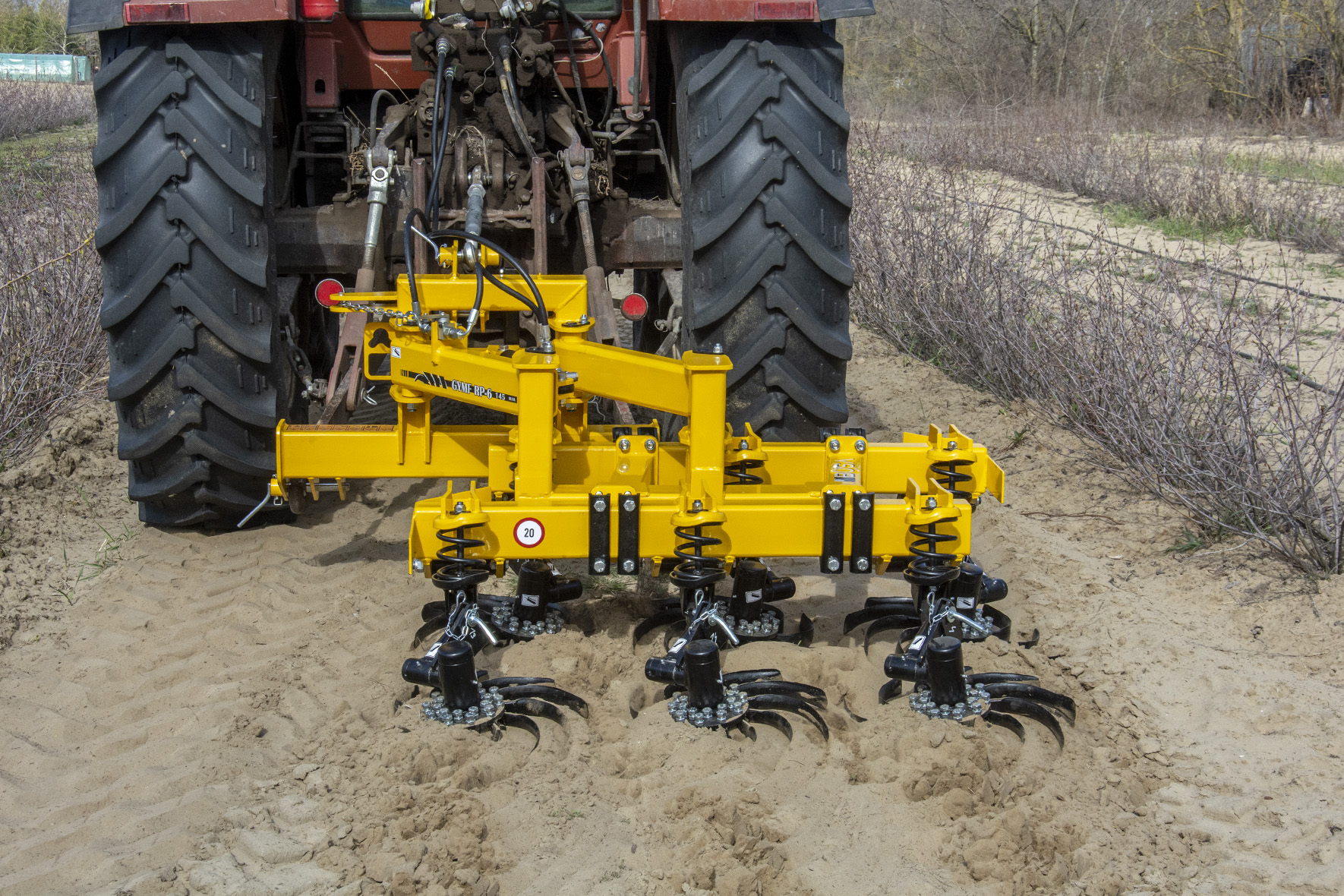
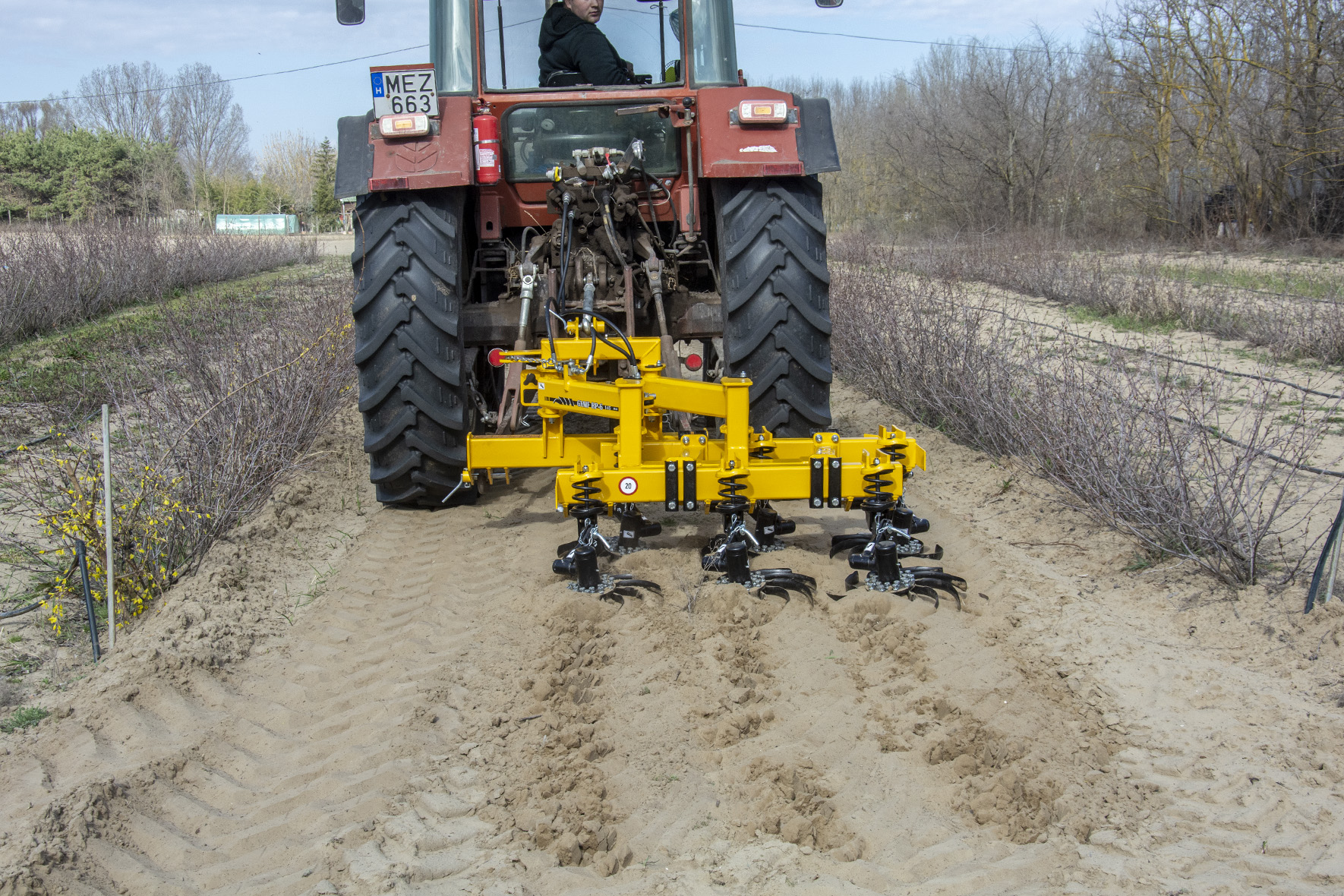
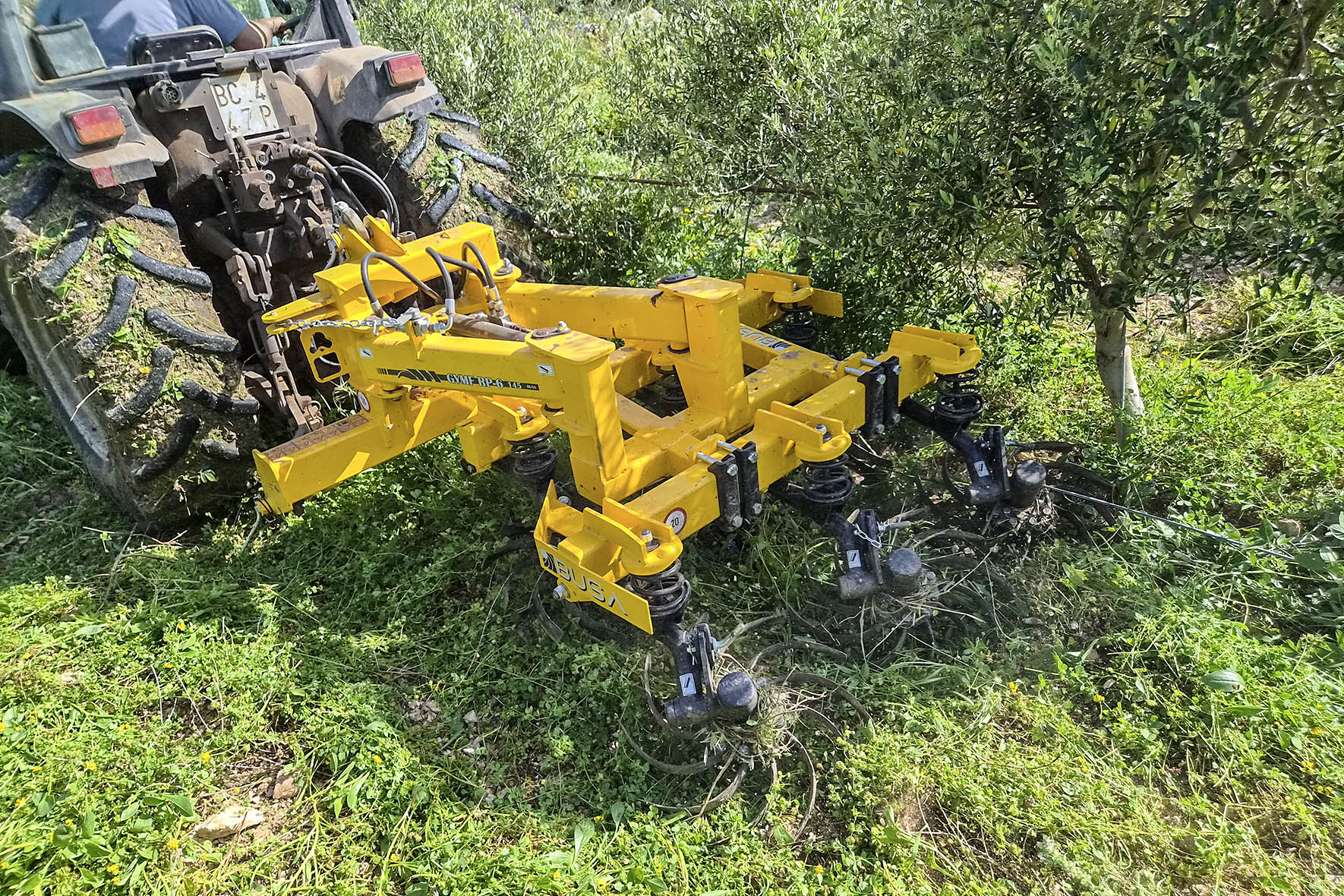
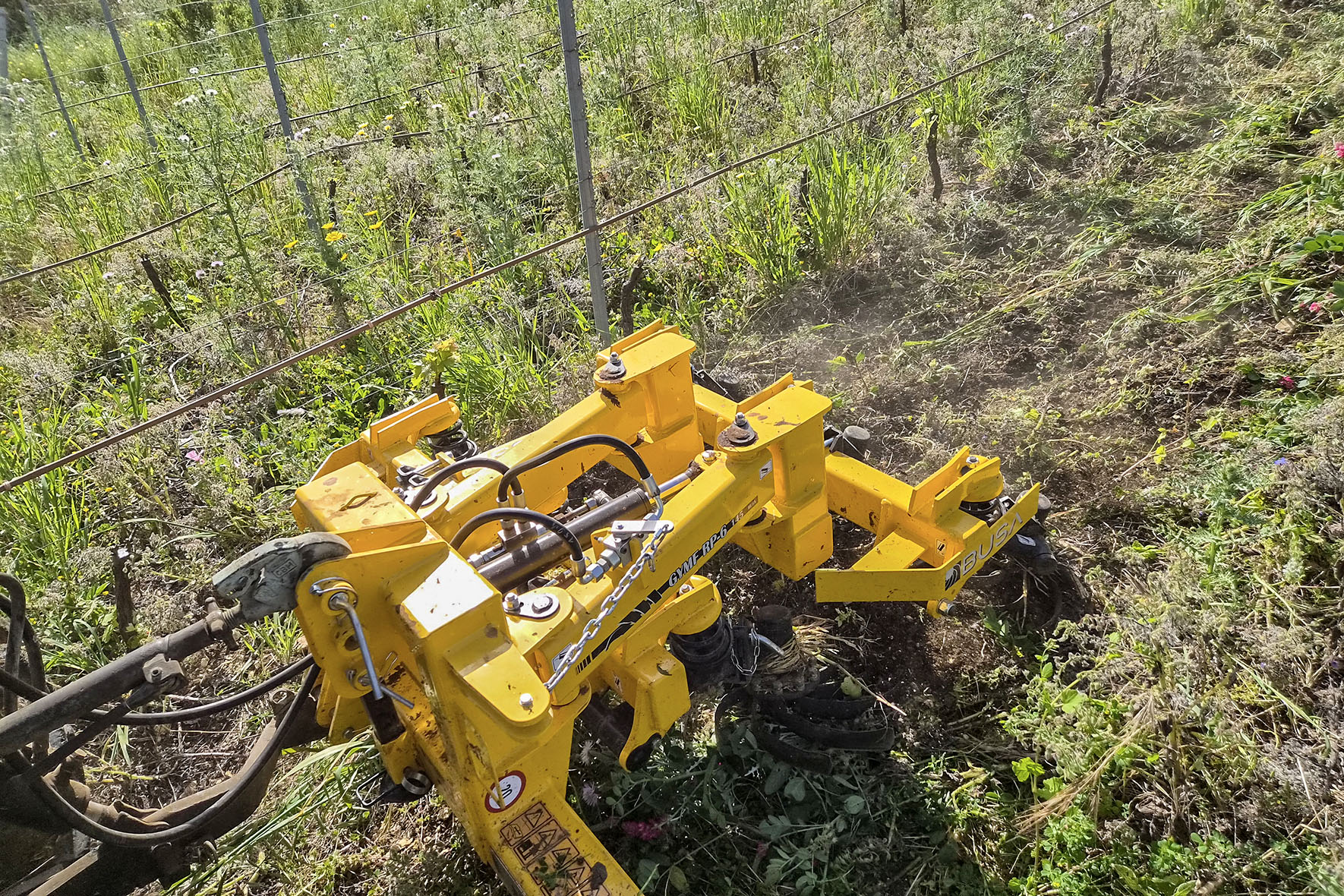
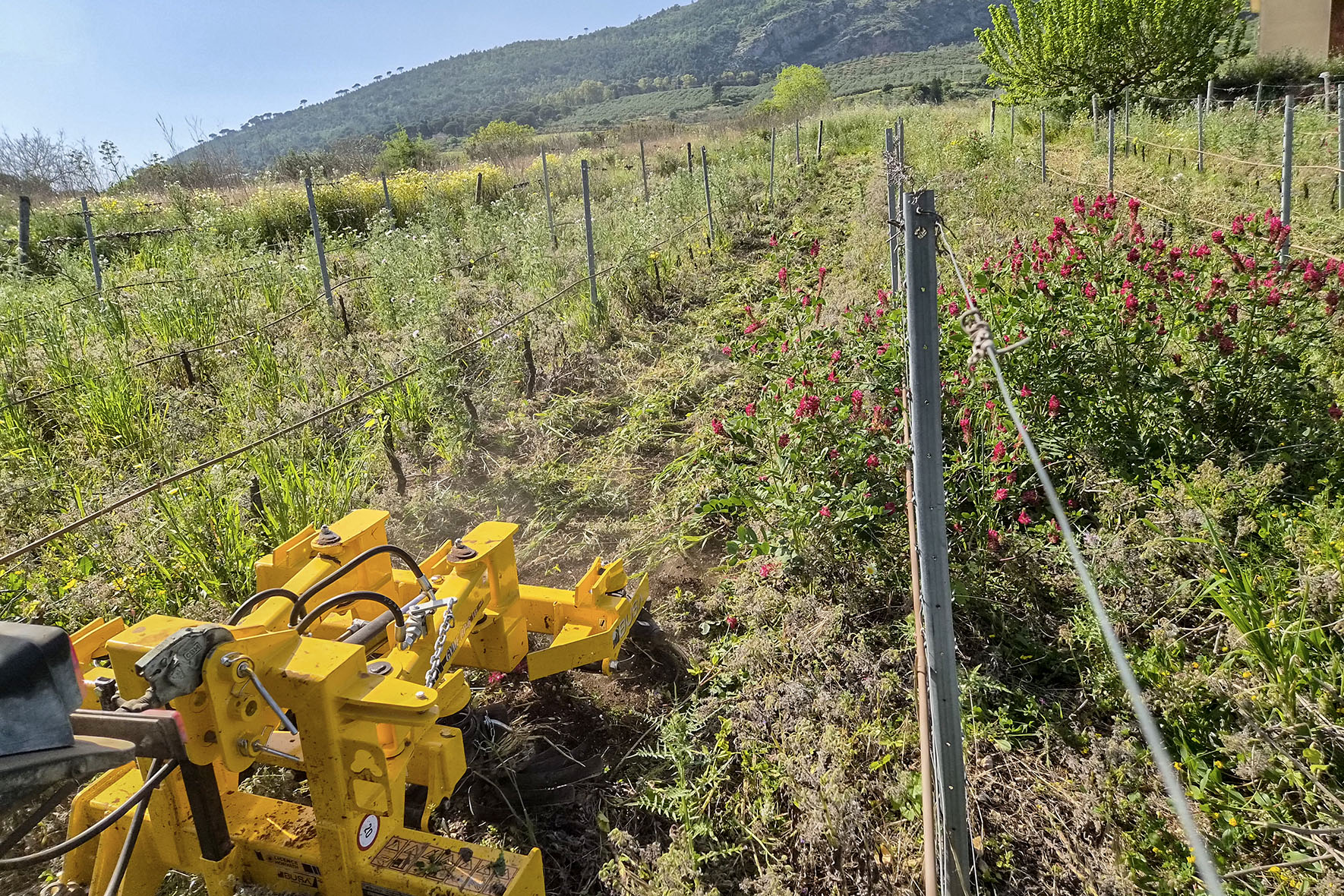
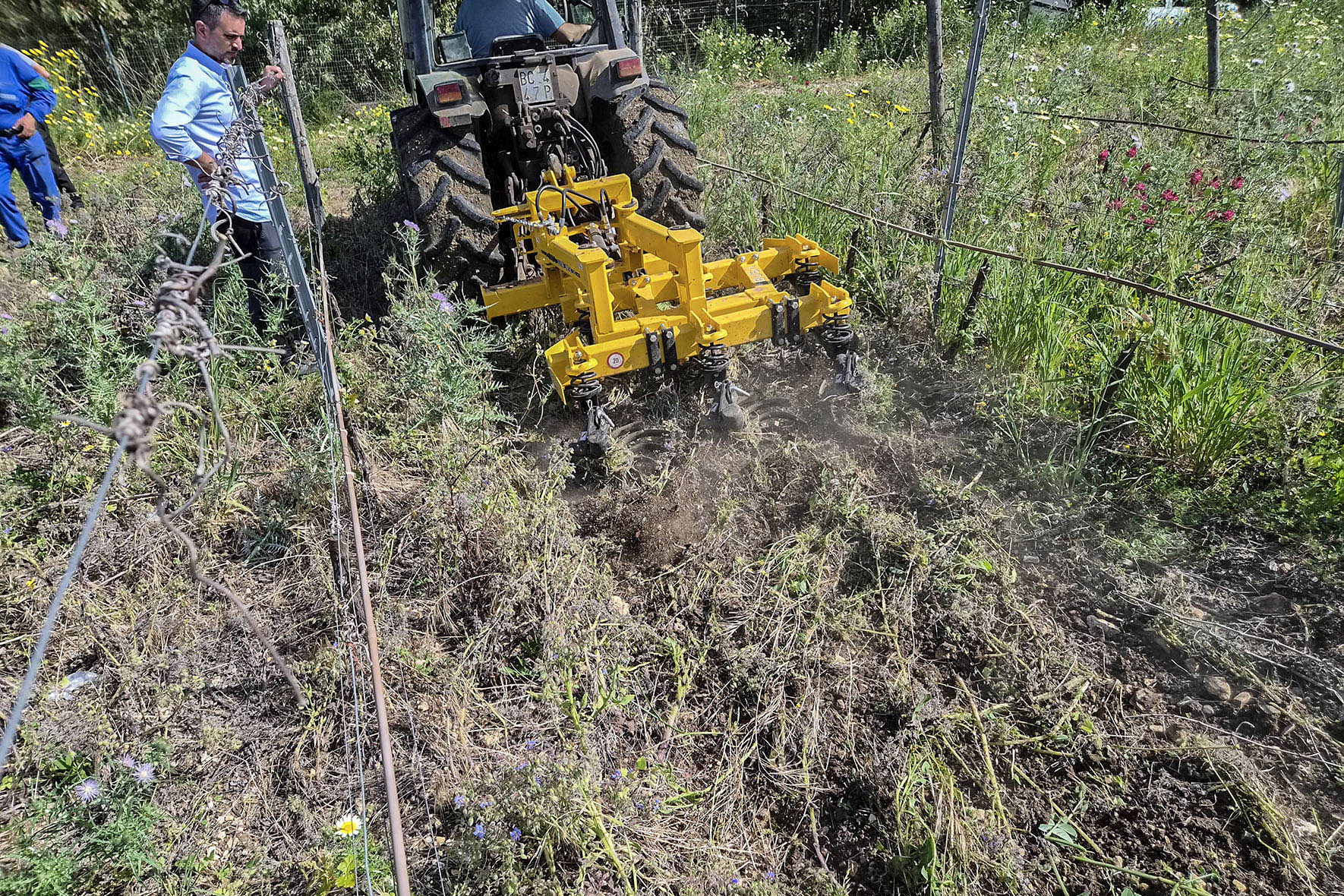
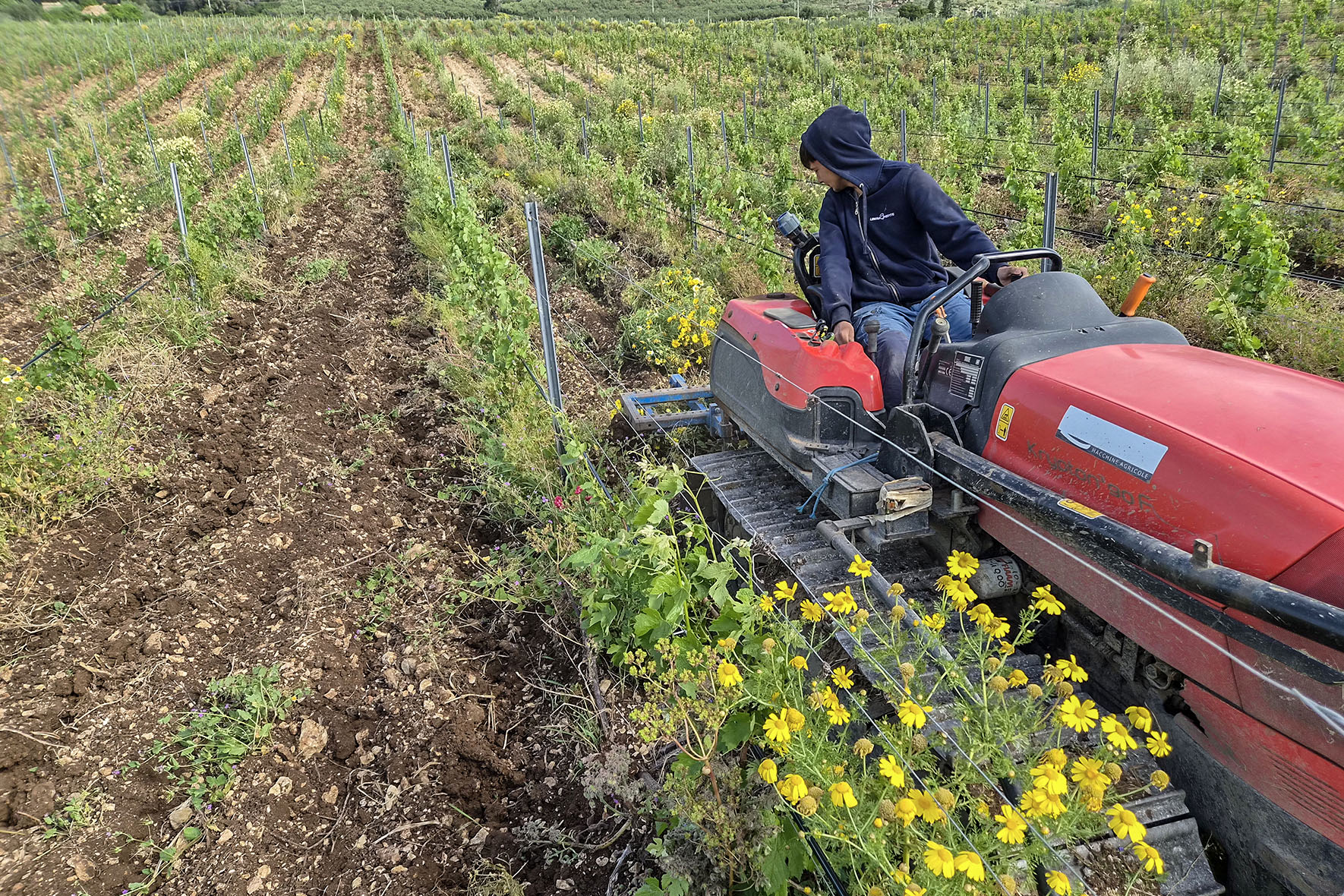
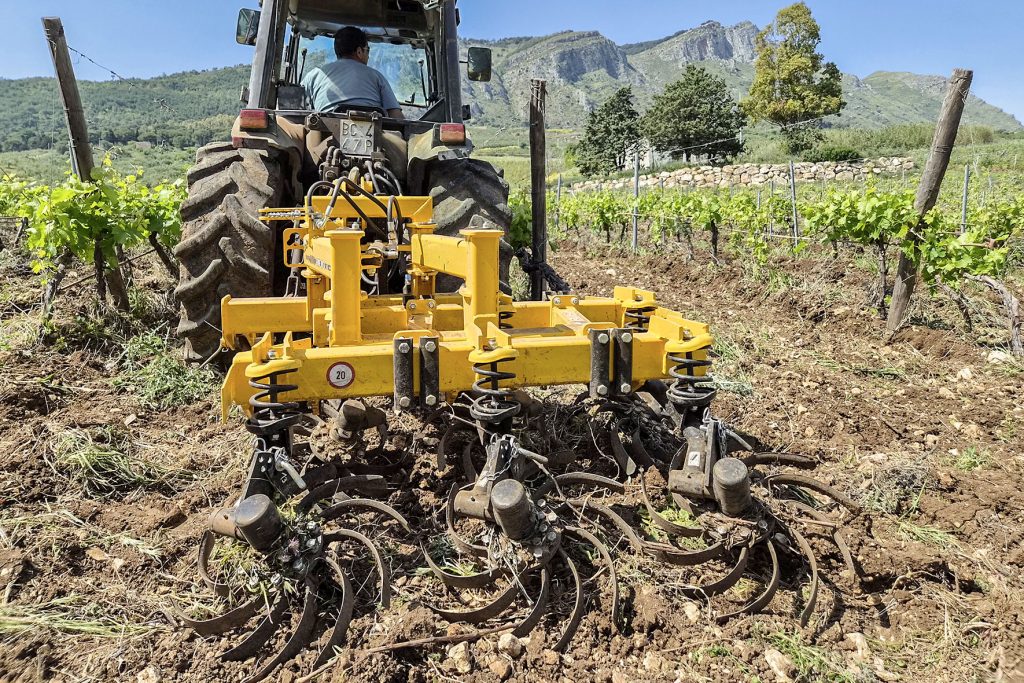
A new region always brings surprises, and the first machine delivered is always a major milestone. The local farms were looking for a mechanical weeder suitable for plantations, capable of treating the entire surface. Their choice fell on a solution that’s far from the simplest: the RP series, equipped with a parallel suspension system, can be shifted sideways, allowing it to adapt perfectly to the varying row widths and cultivation systems of the plantations.

We agreed that we would deliver the machine first and then return for the commissioning. It eventually worked out on the third attempt, because twice the sky practically fell the day before my departure. Climate change. In the first quarter alone, they already reached the previous annual rainfall average. Before I arrived, they had already tried the machine, but they saved the rougher terrain for me. After all, I should be the one to break the machine.

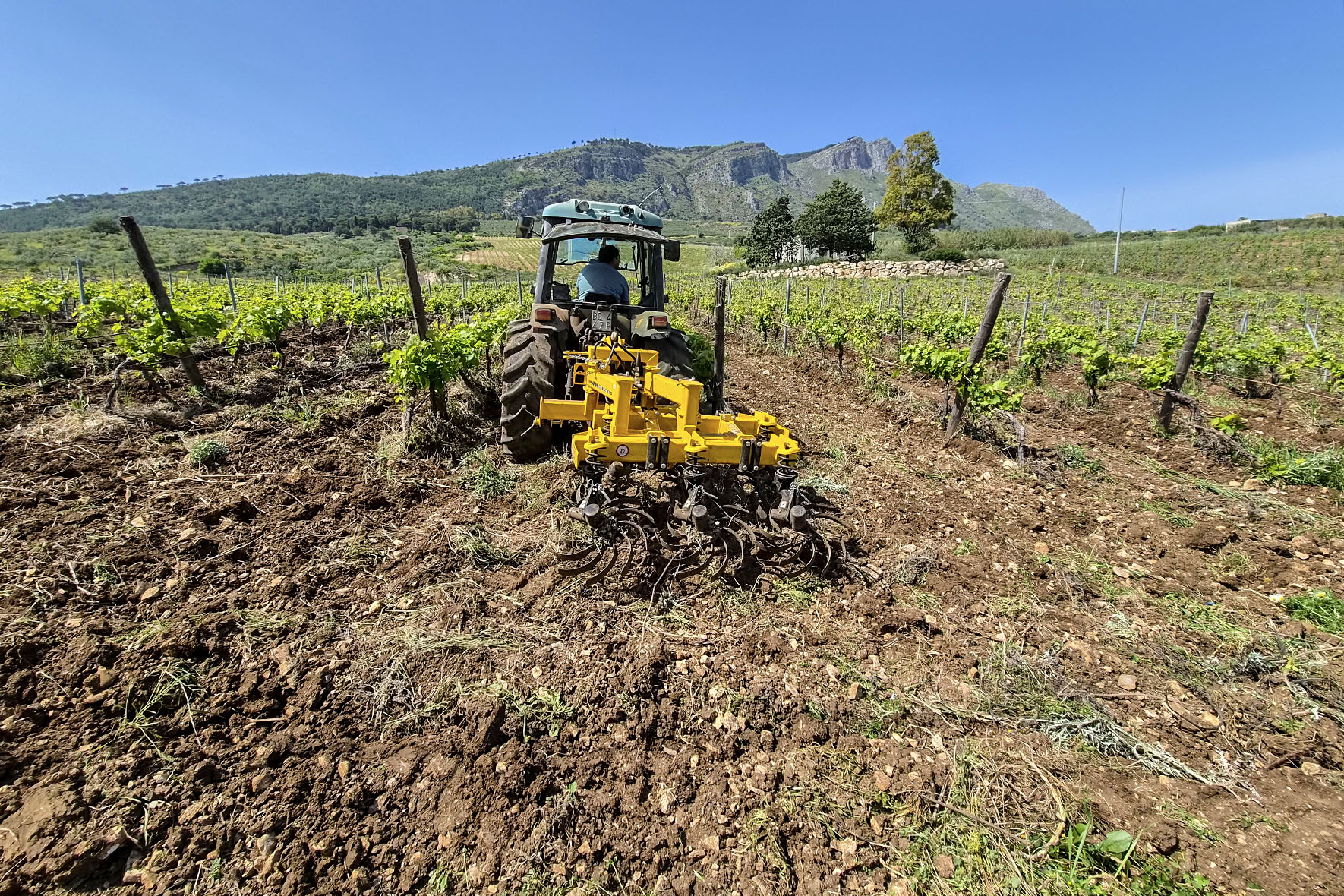
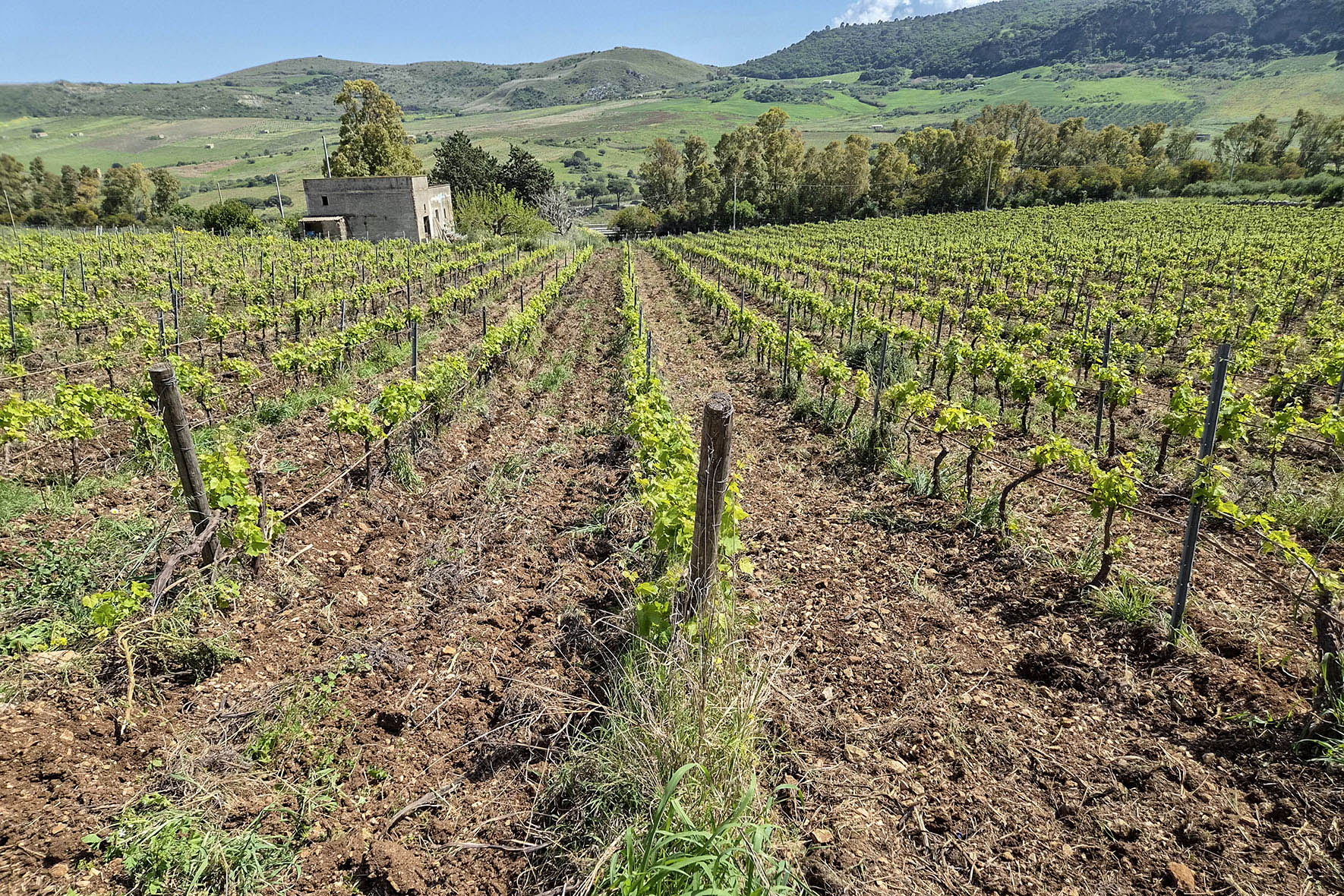
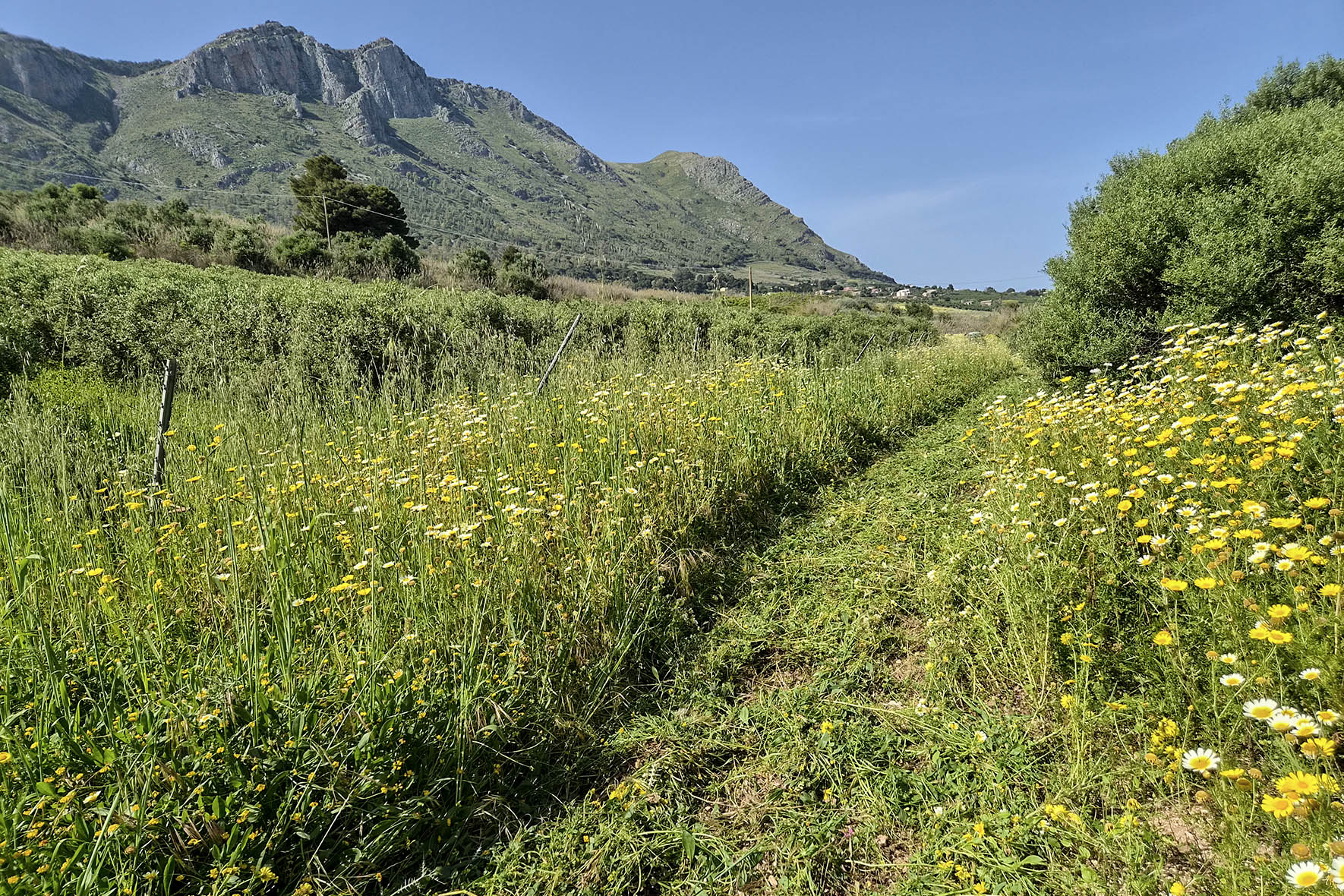
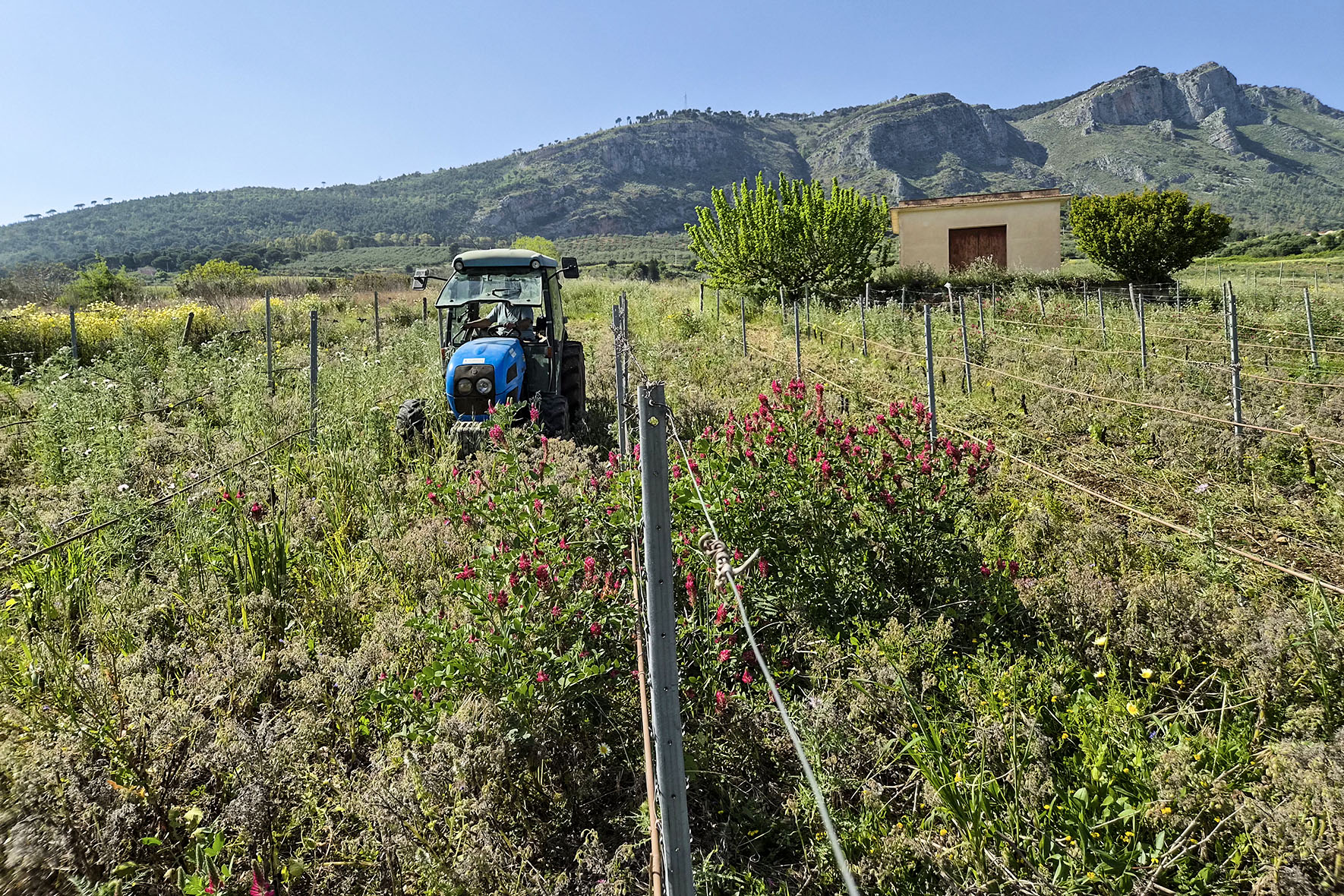
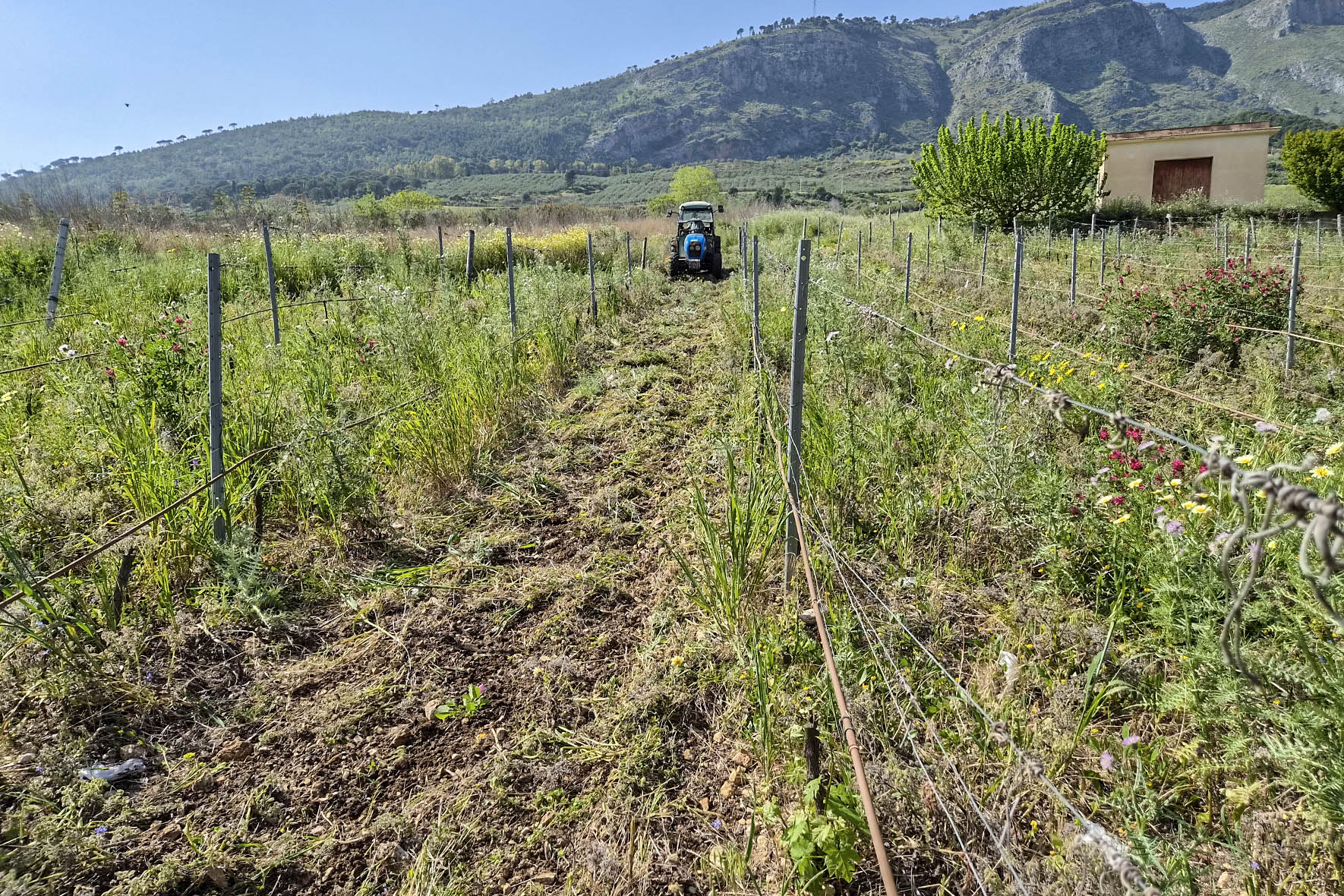
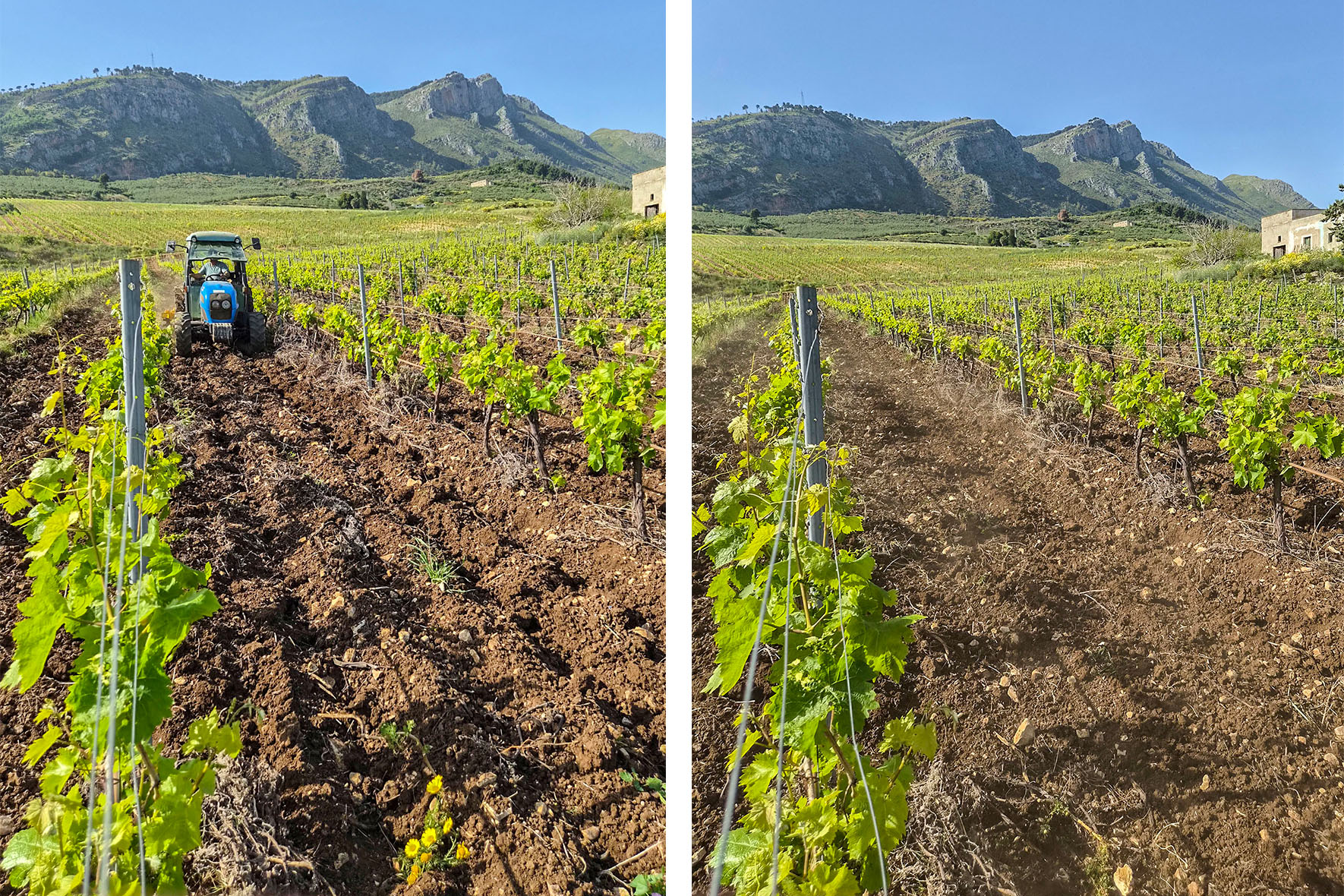
The area itself is a picturesque hillside: vineyards, rocky sections higher up, and more clay-rich soils lower down, still moist from the recent rains. It’s a certified organic plantation, and depending on the variety and the technology used, some rows are cultivated while others are grassed. They’re also experimenting with living inter‑rows and cover crops.
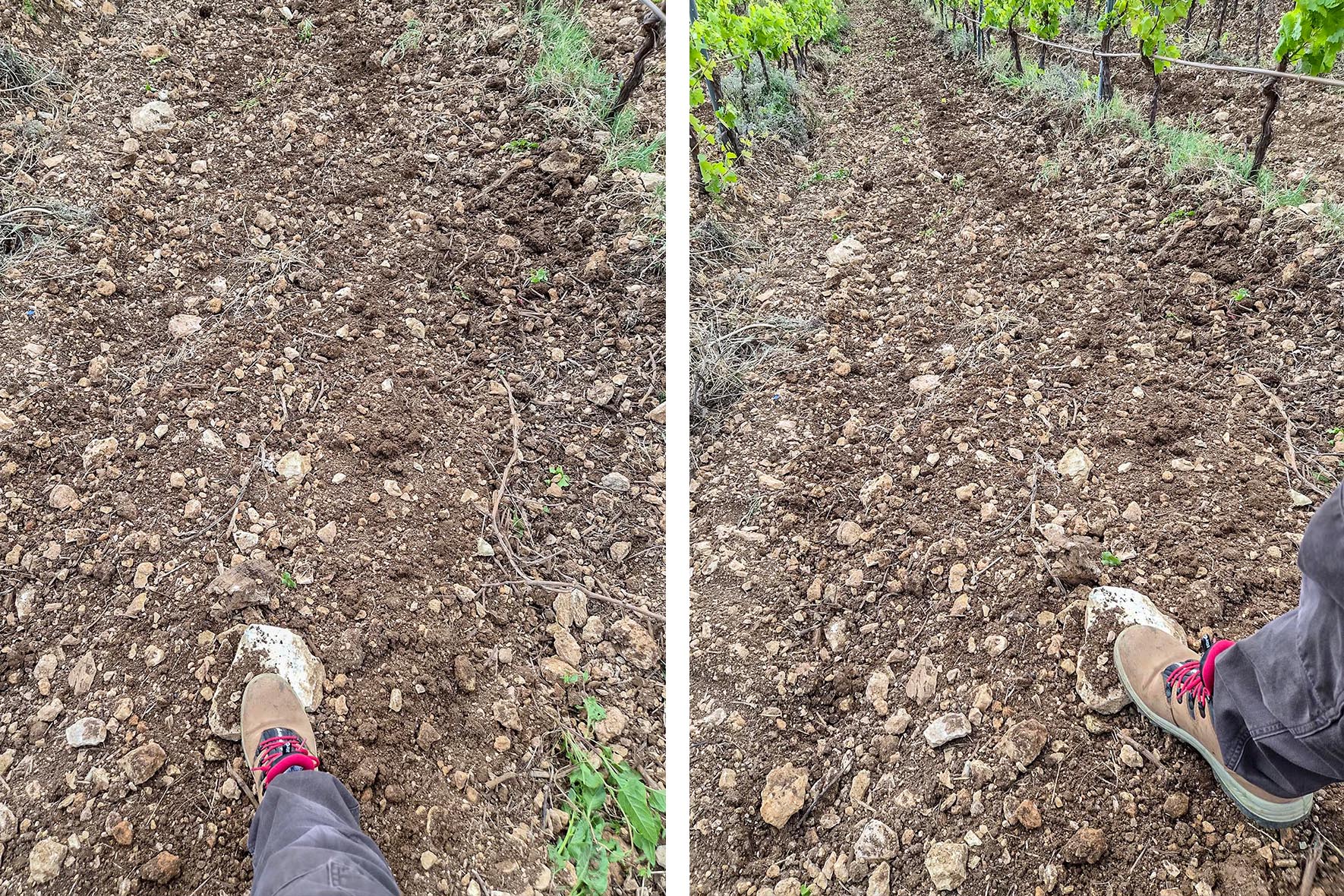
The first area had been deeply cultivated the day before. Accordingly, there was a large surface unevenness, drying soil, clods the size of soccer balls. It will be good, let’s see 😉. What could go wrong? We started with steeper angles for better depth work, so that it would be more even, and anyway, aggression wouldn’t hurt the larger stem remains left on the surface here and there. We were happy that it was working. Later, on the way back, we checked it on a flatter setting and its work was even more beautiful, but that alone was satisfying.
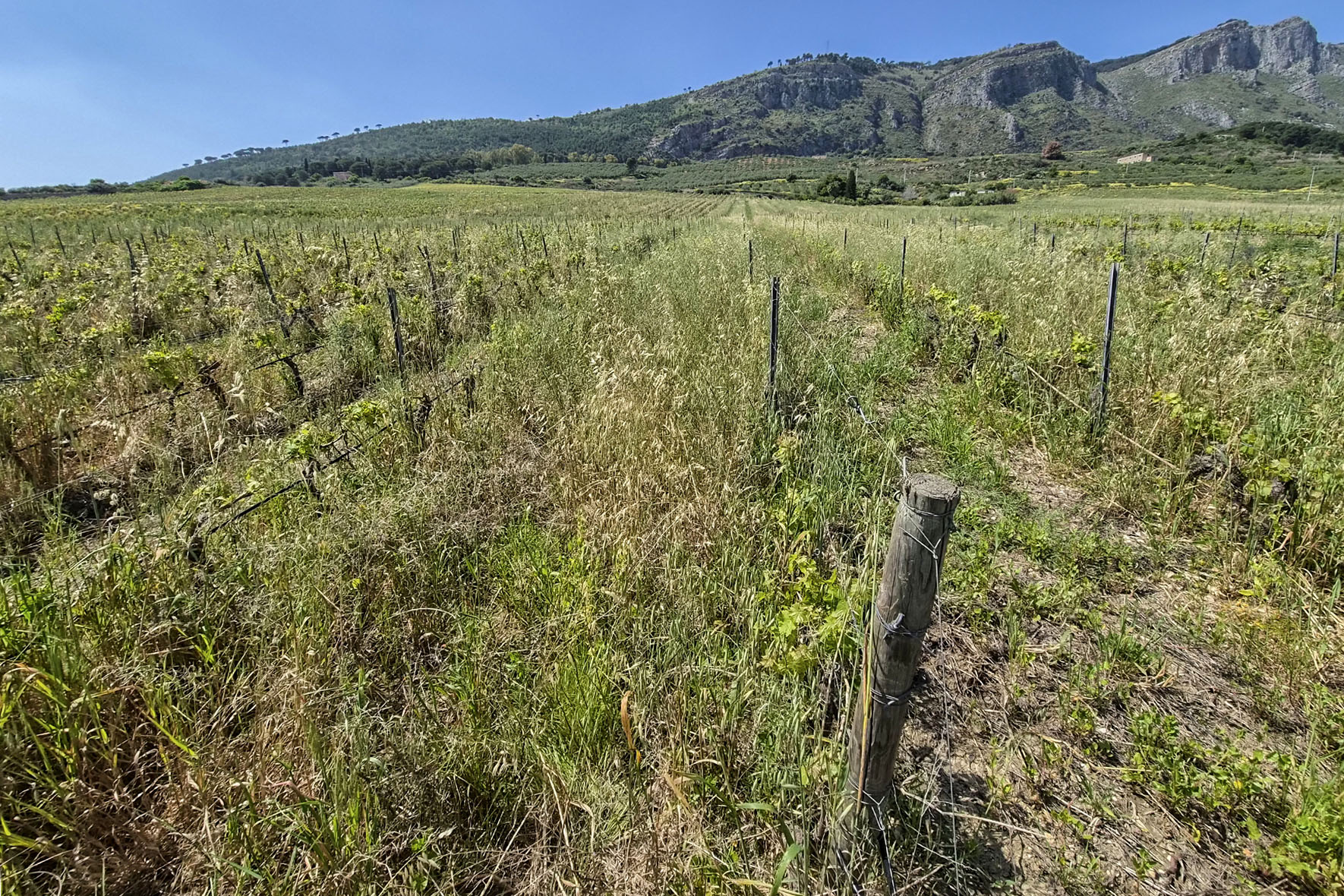
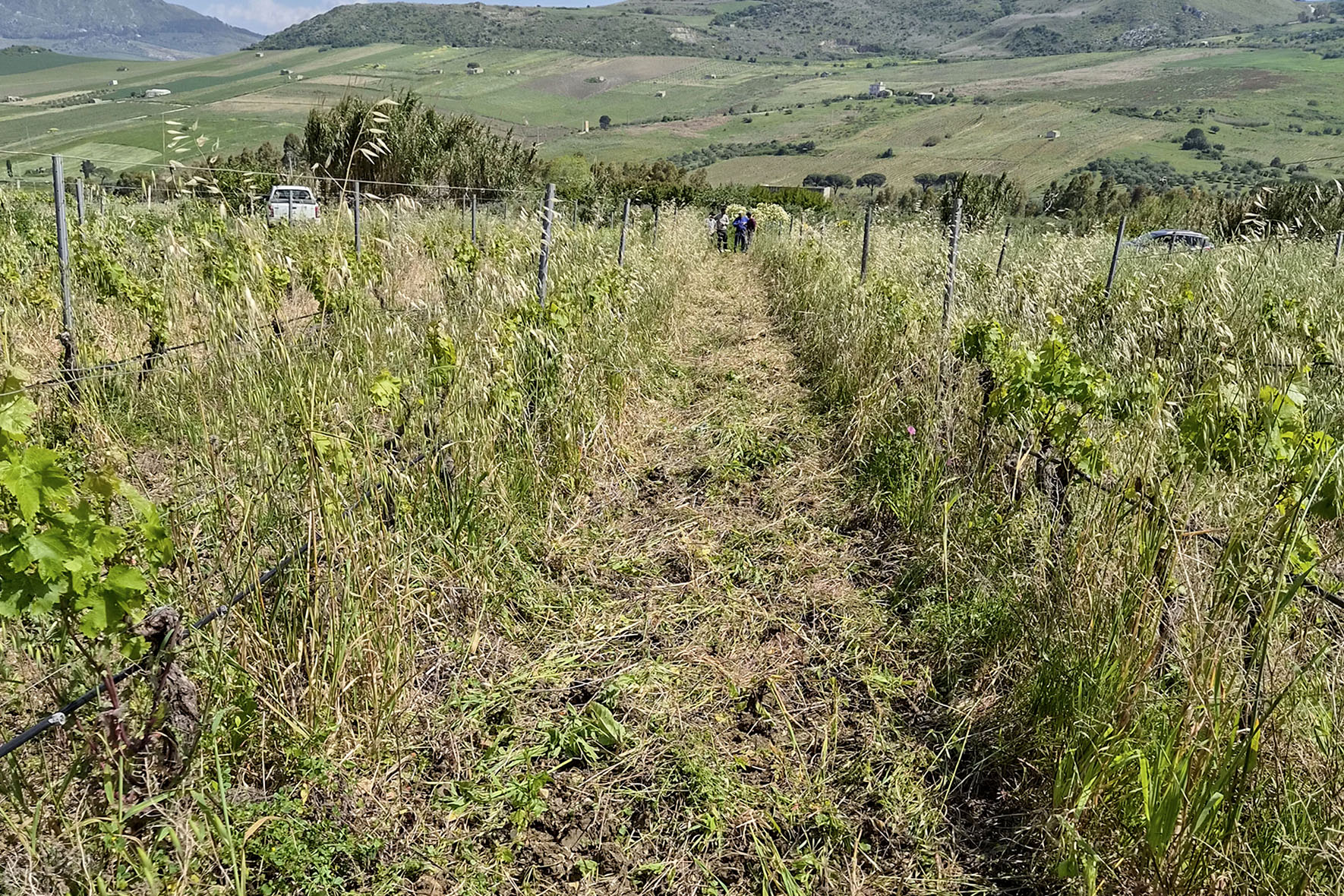
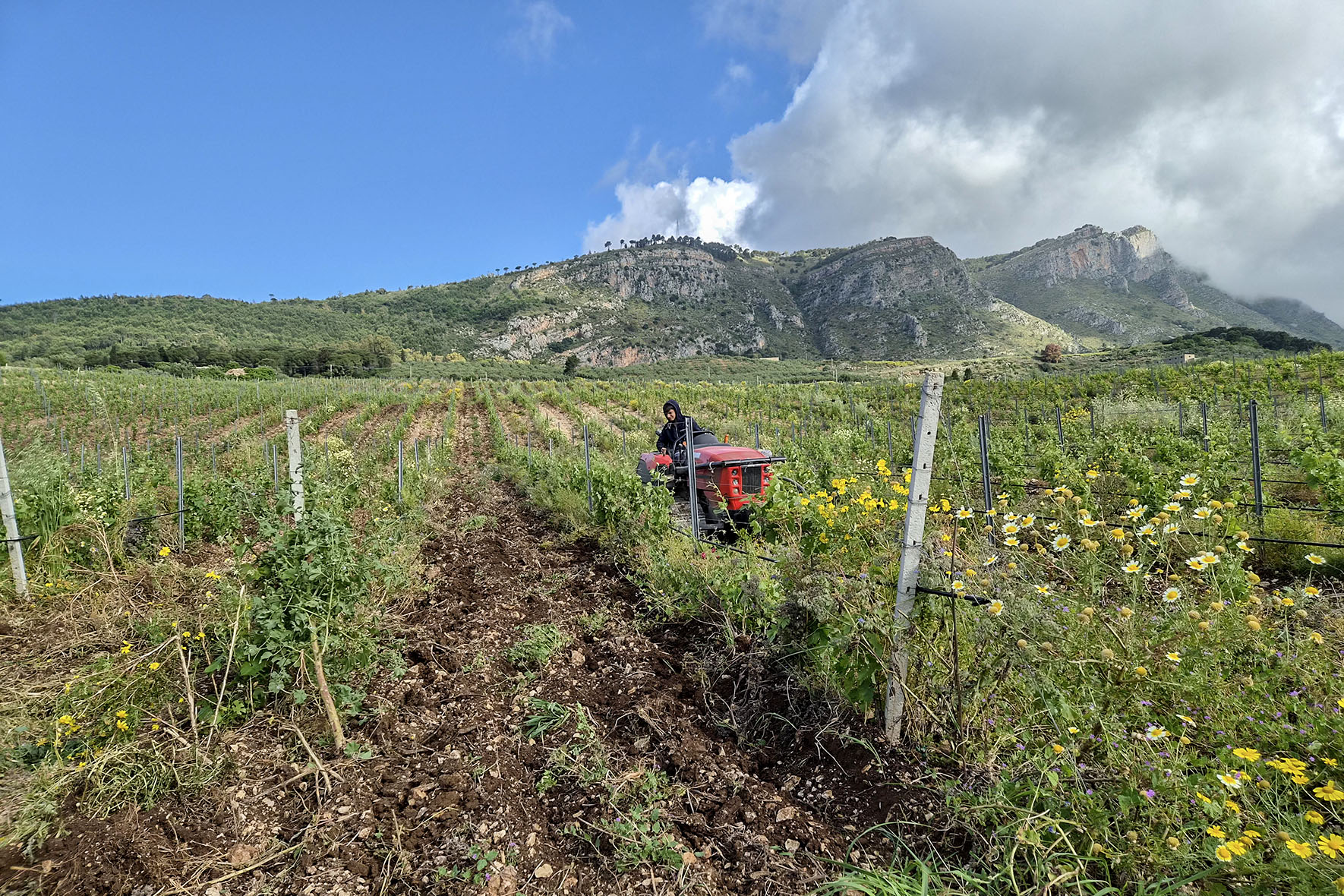
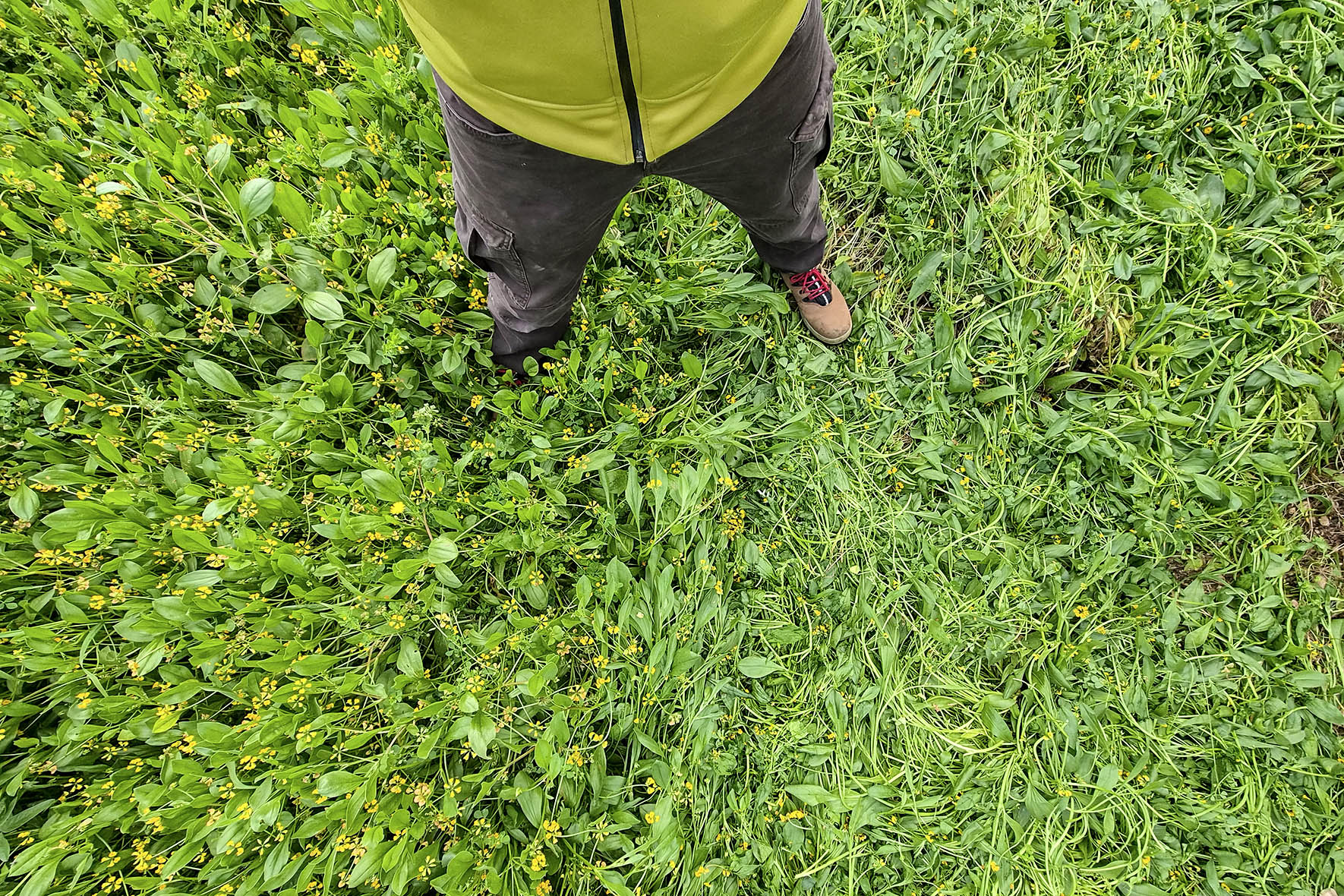
So we moved on to the uncultivated cover crop. Here the soil was definitely wetter and harder due to the shading. We took it back from the steep to a medium angle so that the blades would have a wider grip, and with one back and forth we opened up the meter-long vegetation well. We tried it in the same place where it had been mowed before, but it didn’t seem technologically successful. The cut stems and the slippery clay didn’t help the blades grip, it turned out ugly. You don’t have to cut it beforehand, one less operation.
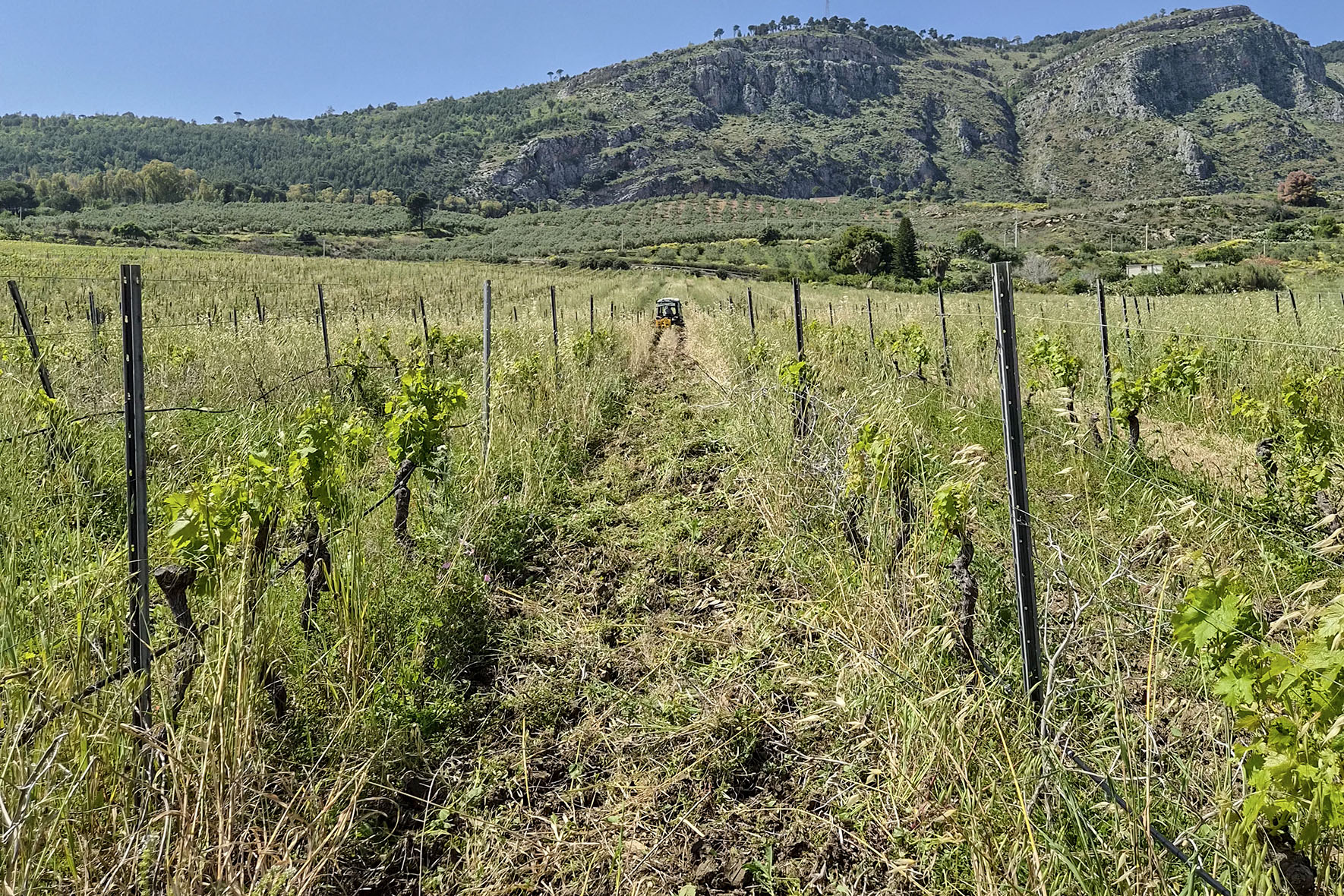
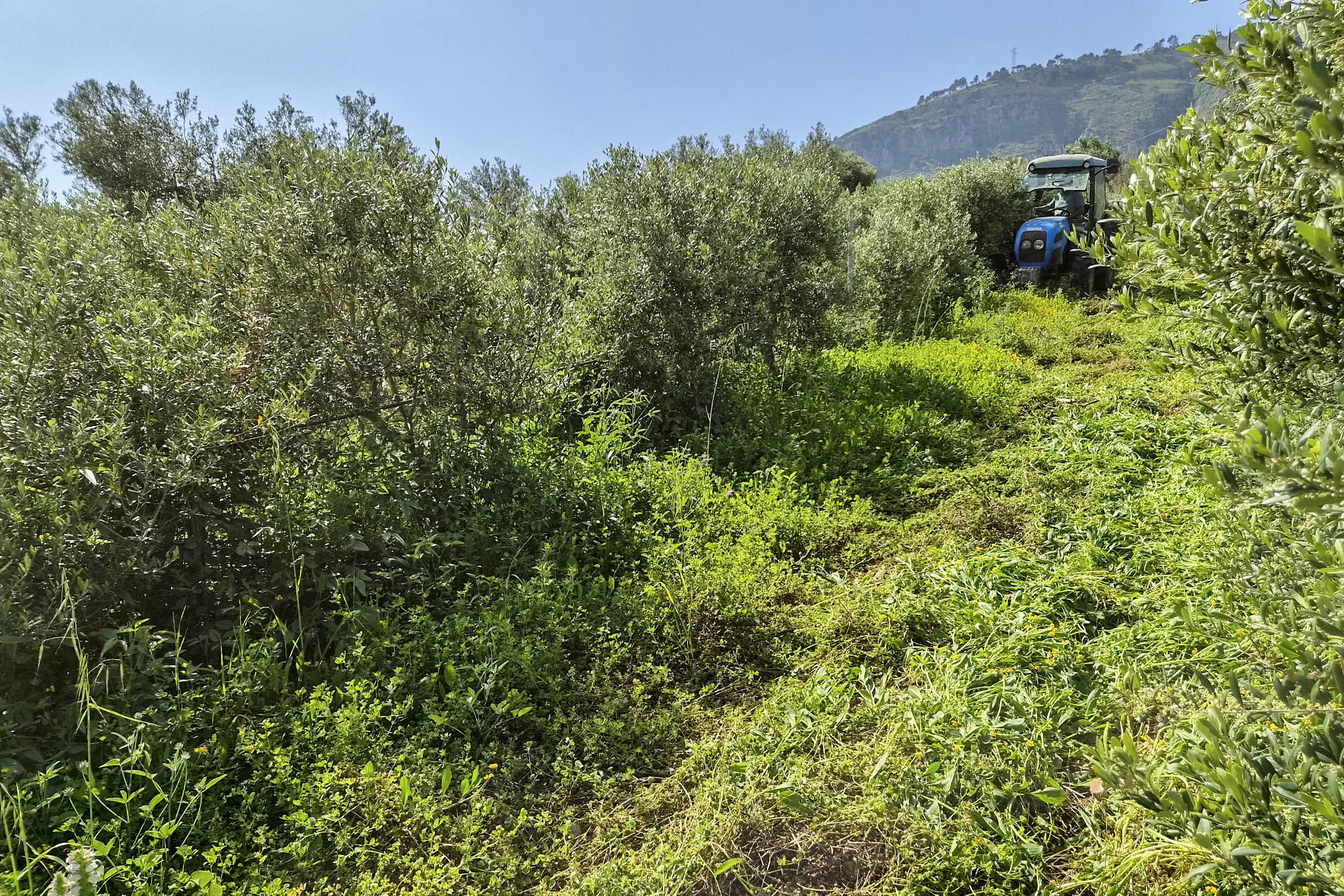
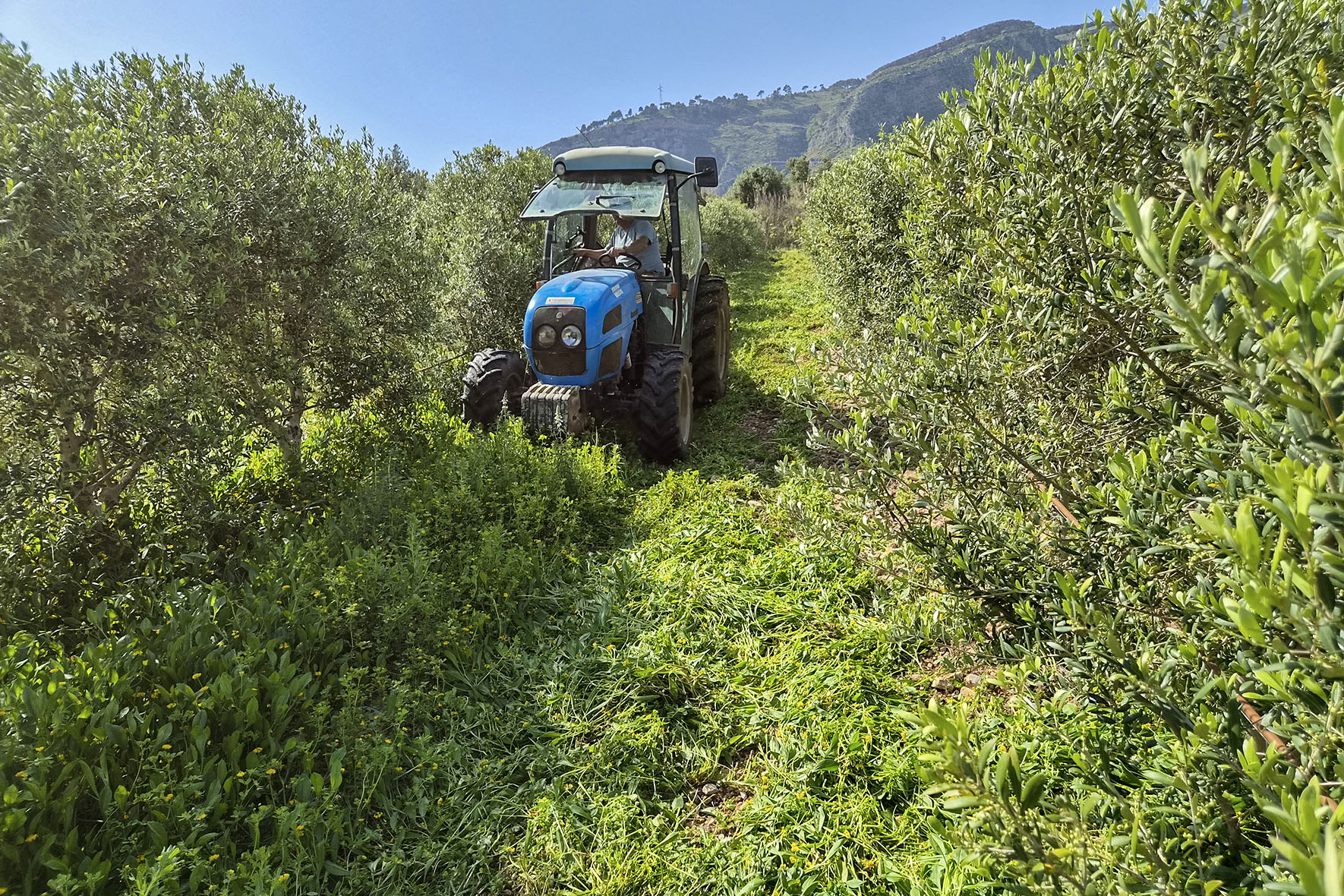
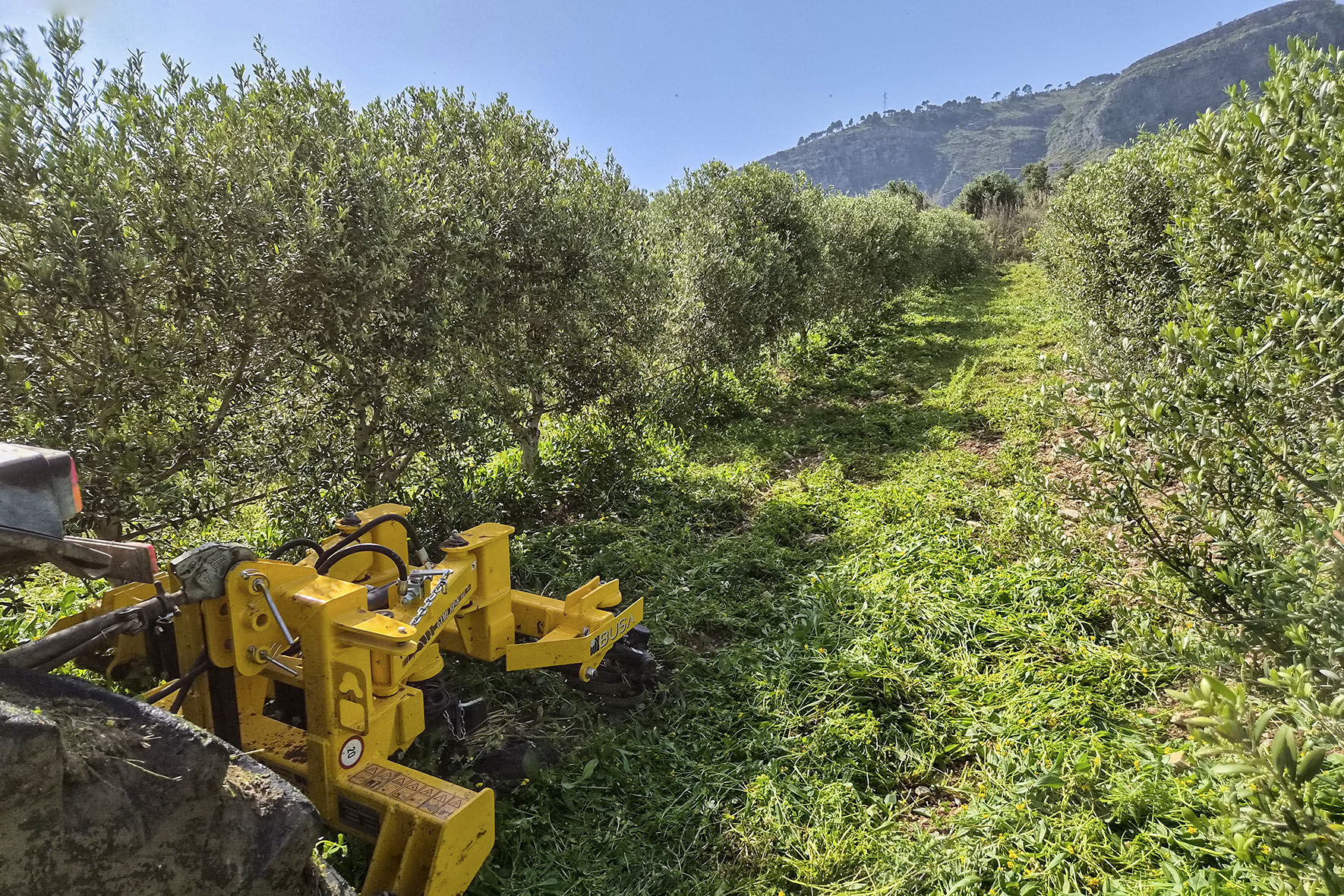
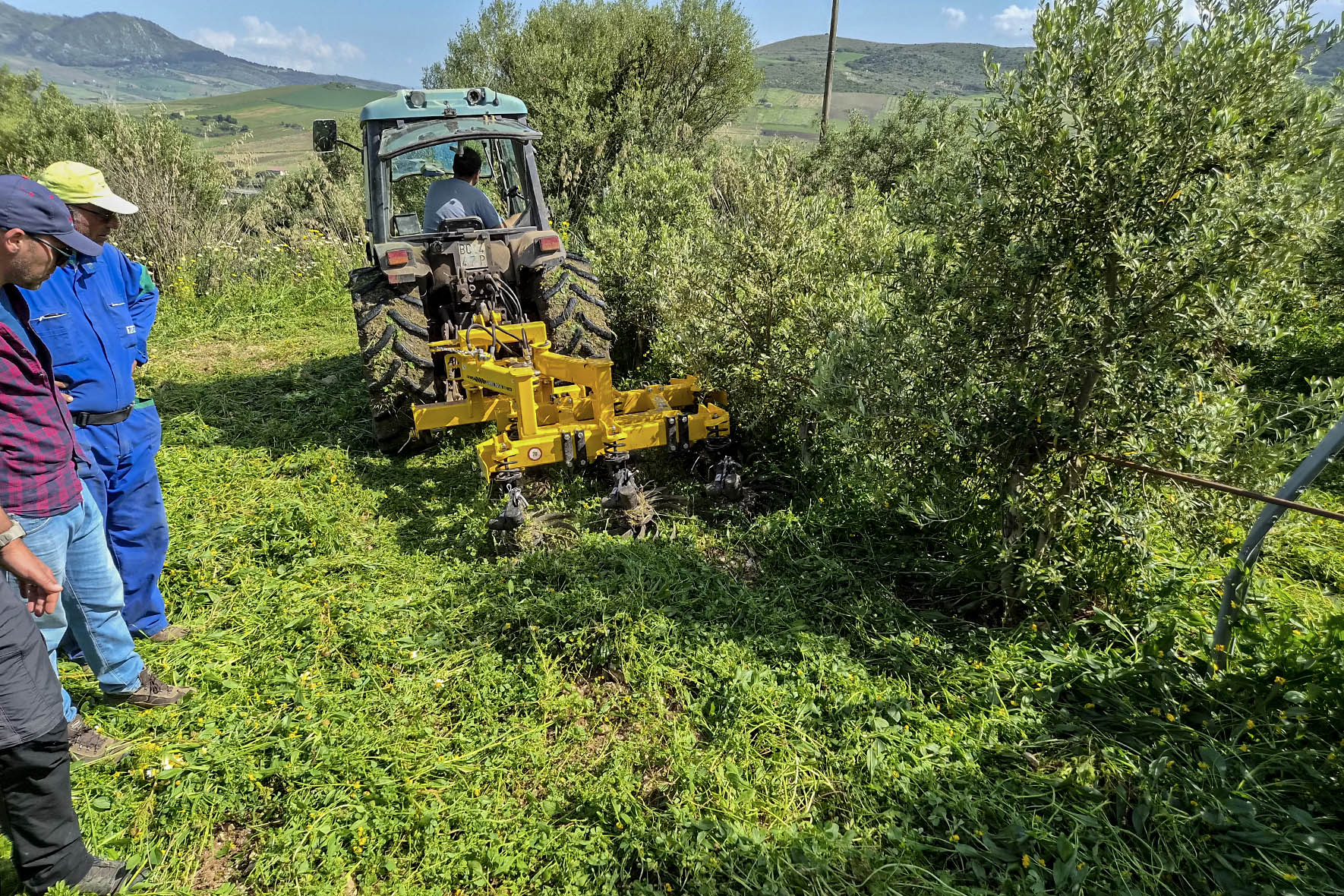
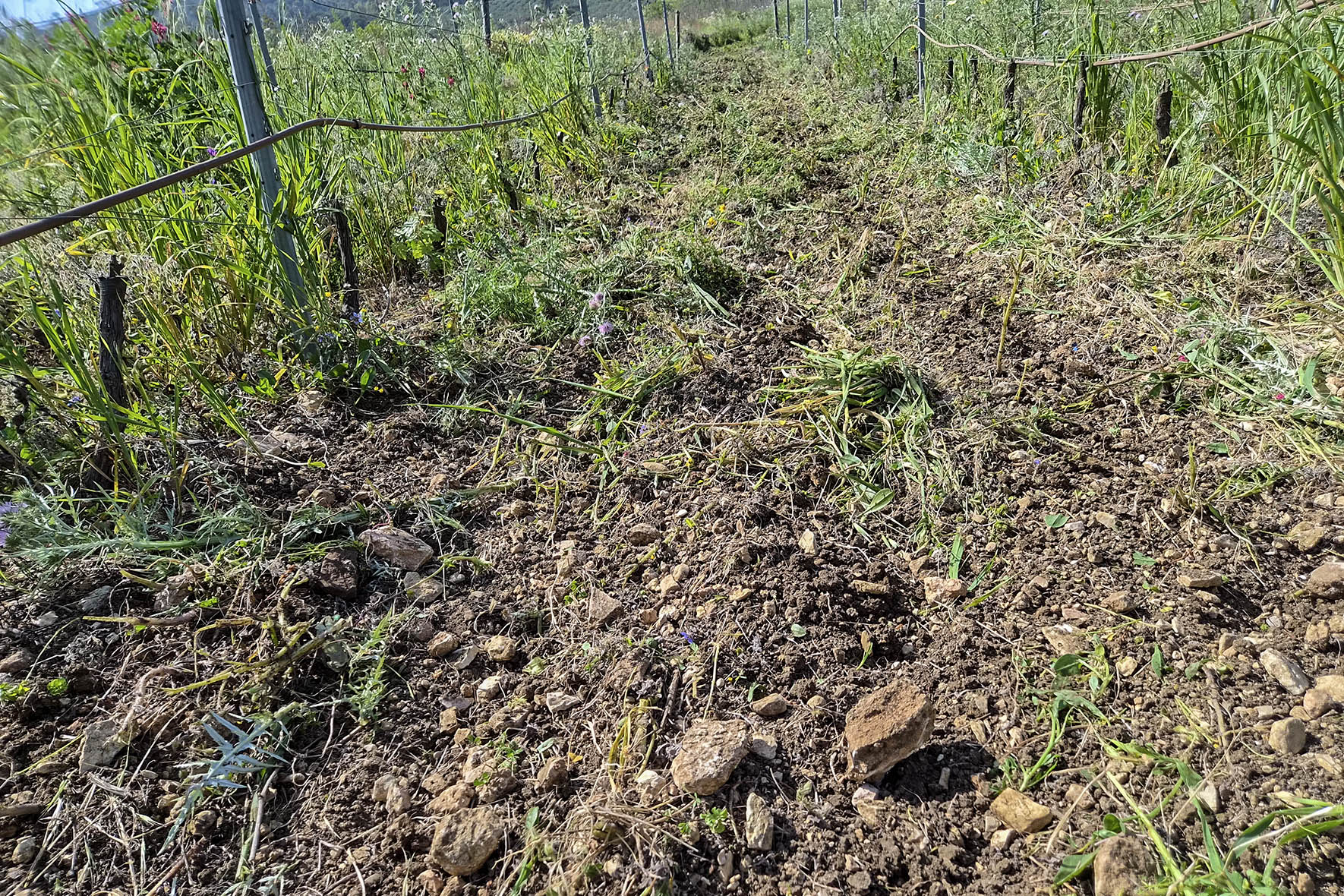
Here comes the question, how do we go about looking at the olive plantation? Oh my! Aha. When the child from the Great Plains is amazed that the olive tree lives on the rock. You see, the bedrock is between the rows. A finger-sized layer of small stones and rocks. Due to the abundance of rainfall, the rows were otherwise a beautiful green and yellow, with plants emerging from the cracks in the rocks like a carpet. We’ve come this far, we have to try it, right?… We start on a steeper slope, but that ridge only reaches our knees. We went around it for a while, it didn’t tear apart, dammit. Let’s try the control mode. Head for a flat angle, what does it show? The knife was able to cling to the rock beautifully, so even at flatter angles, a large green mass turned here and there. This also worked, steeply in a bit of a streak, but it tore apart the plants, but flatly evenly, but it only crushed the green, but it stayed together.
Basically everyone was happy, we sipped wine from the plantation that Busa now cultivates for dinner. It was nice to see how local businesses, accommodation, restaurants, fishermen, and farmers cooperate.
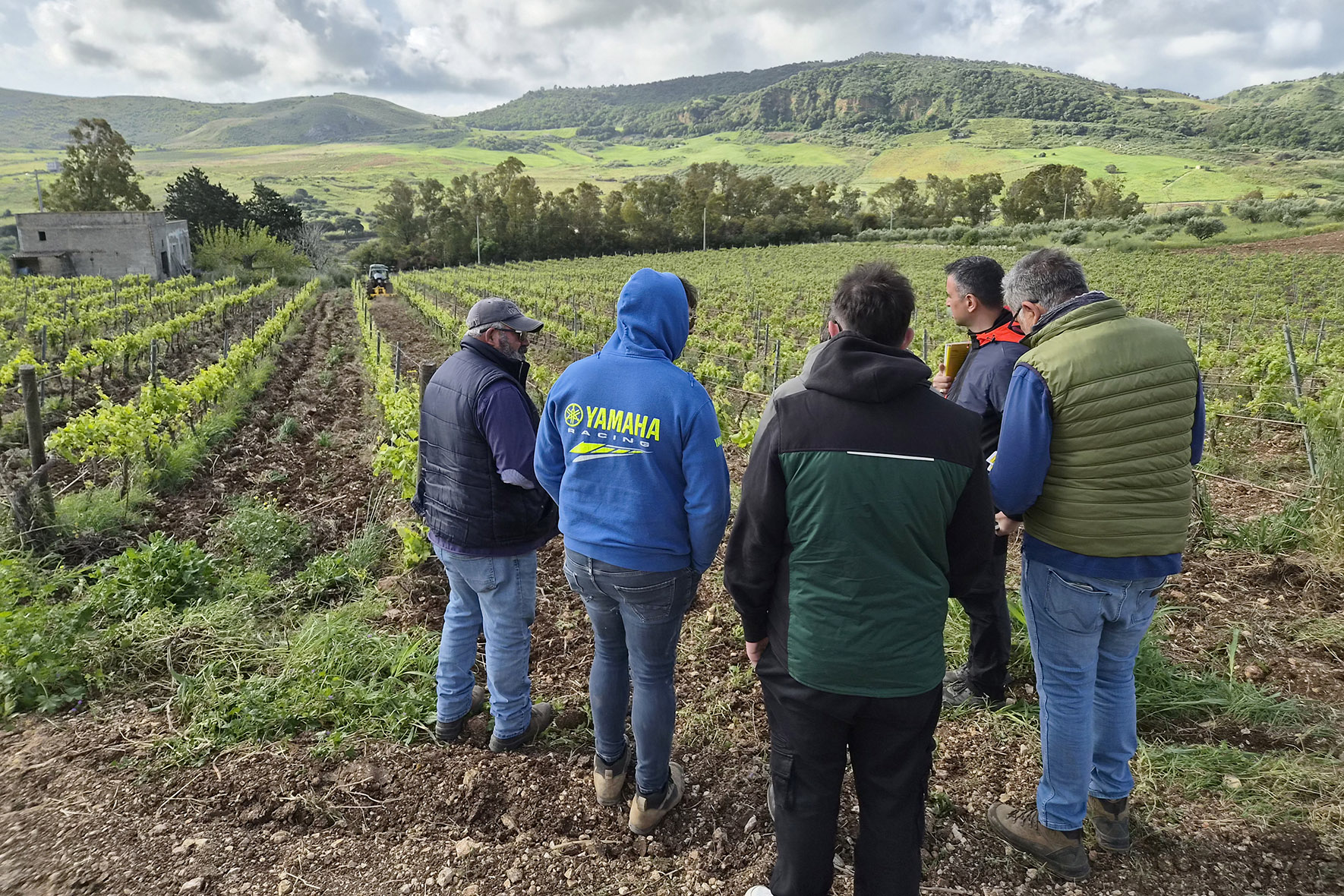
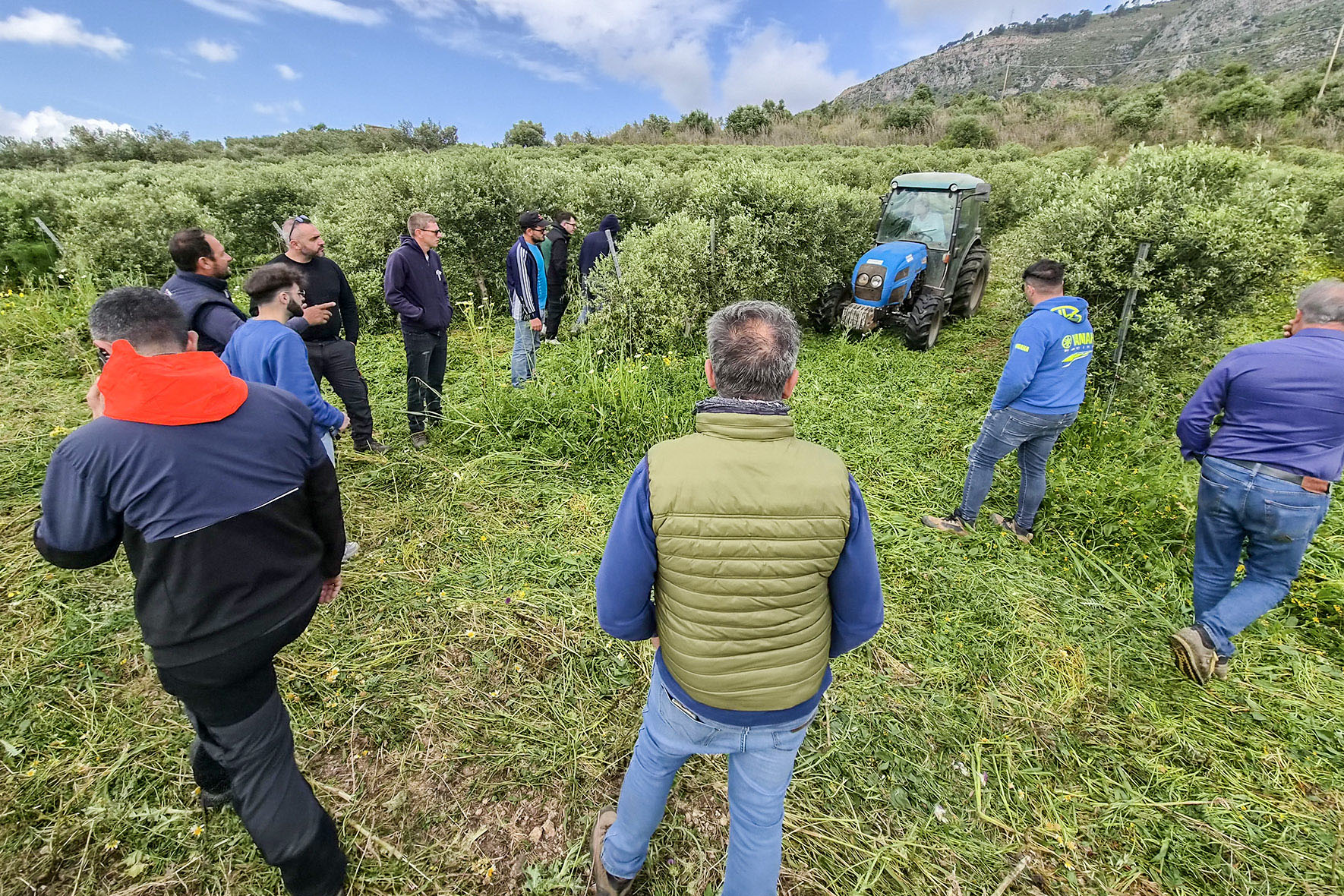
The next day, we went through the same areas with about twenty farmers and consultants. The owner of the plantation felt the machine better and better, it was getting faster and faster, and it was going more precisely. We also met with appreciative nods in the cultivated part, the pace is even, the shallow work is a good combination, but the big surprise was again in the olive harvest. That area can even handle a stem crusher, let alone any other machine. I took the opportunity to show the previous day’s result. Where we completely tore up at a steep angle, the covered bedrock dried out by midday; while where we made a mulch carpet that was rolled together at a flat angle, the subsoil underneath was definitely damp and wet. We have planned the next demonstration for summer, by then the hectares will also be running into the machine, the weather is also changing, we will go and learn more. Yes. If you are looking for real organic olive oil, I have a contact 😉