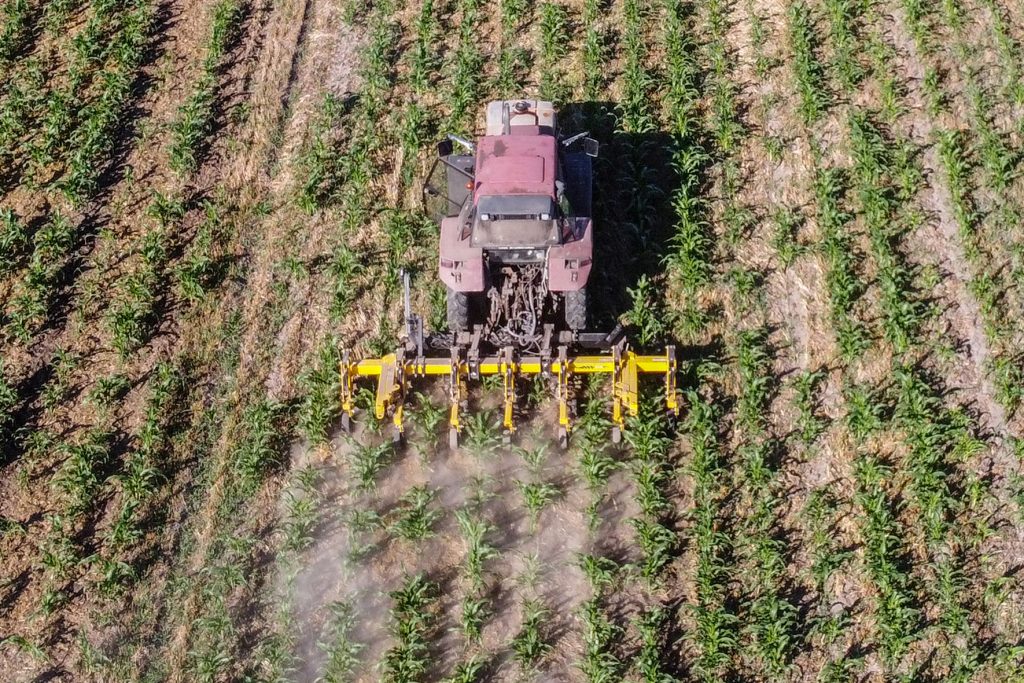
Mára rettenetesen elcsépelt lett a no-till, és a 2025 -ös Agritechnika óta van olyan gyártó, aki feltalálta a no-till grubert. Azért ez a marketing legsötétebb vonala… A no-till az eredetileg csak vetés, betakarítás, vegyszerezés. Igen, ez egy glifozát alapú rendszer, így lett megálmodva. Vannak jó dolgai, mint a gyökérfolytonosság, vagy a talaj bolygatatlanságából adódó talajélet támogatás, a mulcs borítottság. Más kérdés, hogy vannak problémái, pl., hogy a glifozát akárki akármit mond nem gyerekjáték, vagy hogy egy idő után annyi árva mag van a talajon, hogy nincs az a vegyszer, ami mindet fogni tudja. Na és ha megvan a vastag mulcs réteg, arról nem tűnik el a tavaszi kapásnövényben alkalmazott vegyszer az utána érkező őszi kalászosig, így azt is károsítja. Szóval időnként csak kell egy kis vas, de az már nem no-till, hanem min-till, vagy no-till-plus vagy akármi… de a no-till gruber azért erős :D
No‑Till products in the BUSA BT. product range
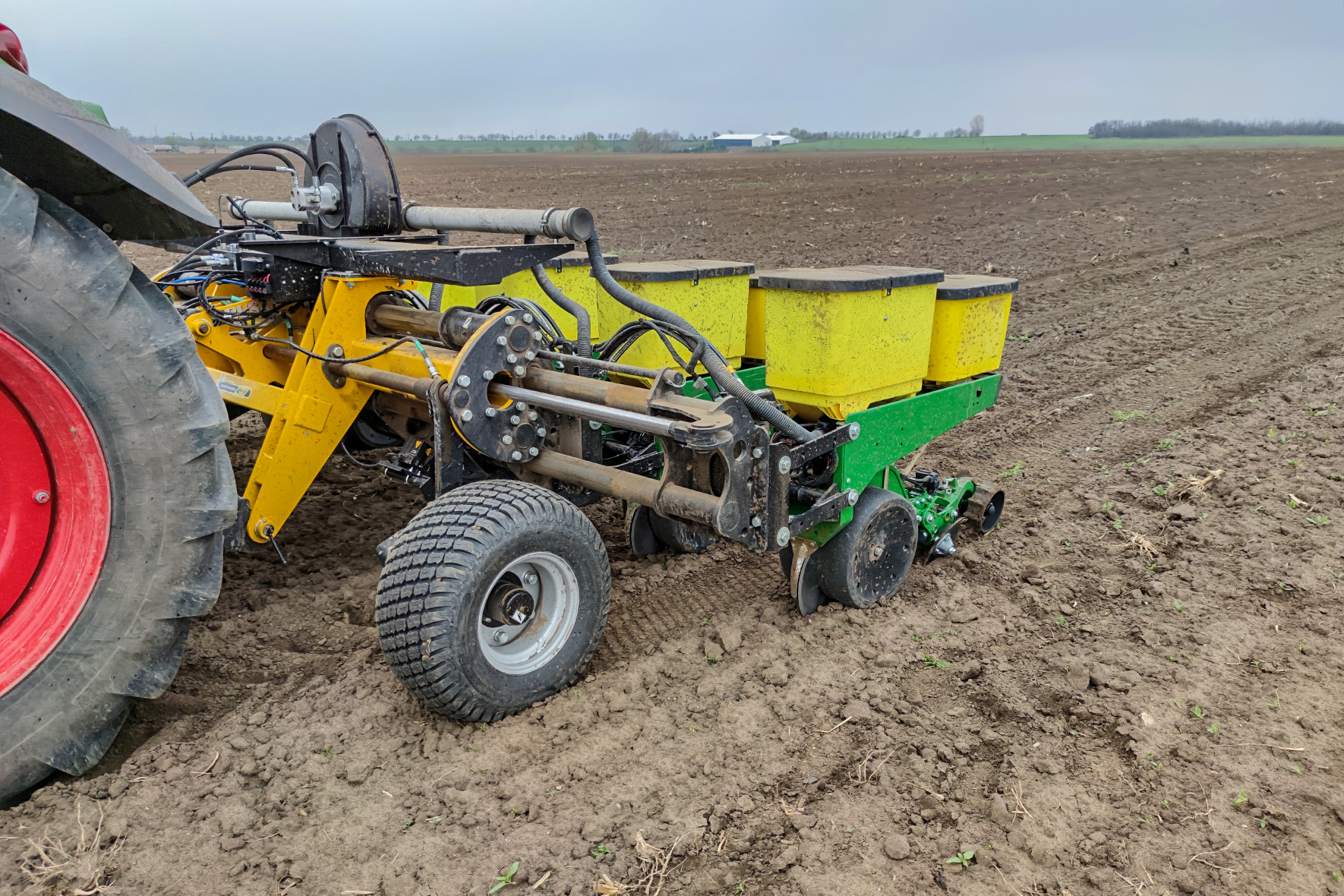
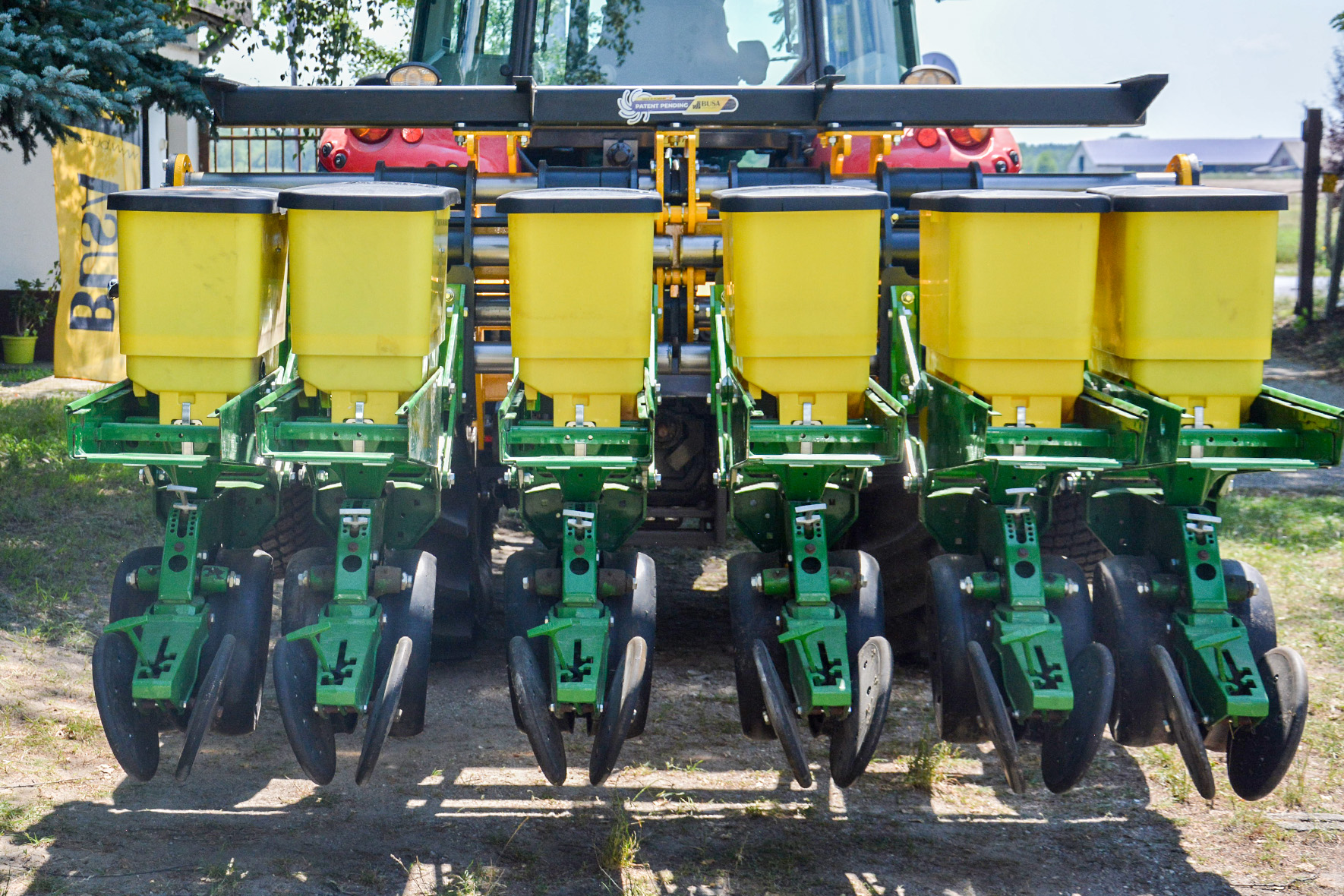
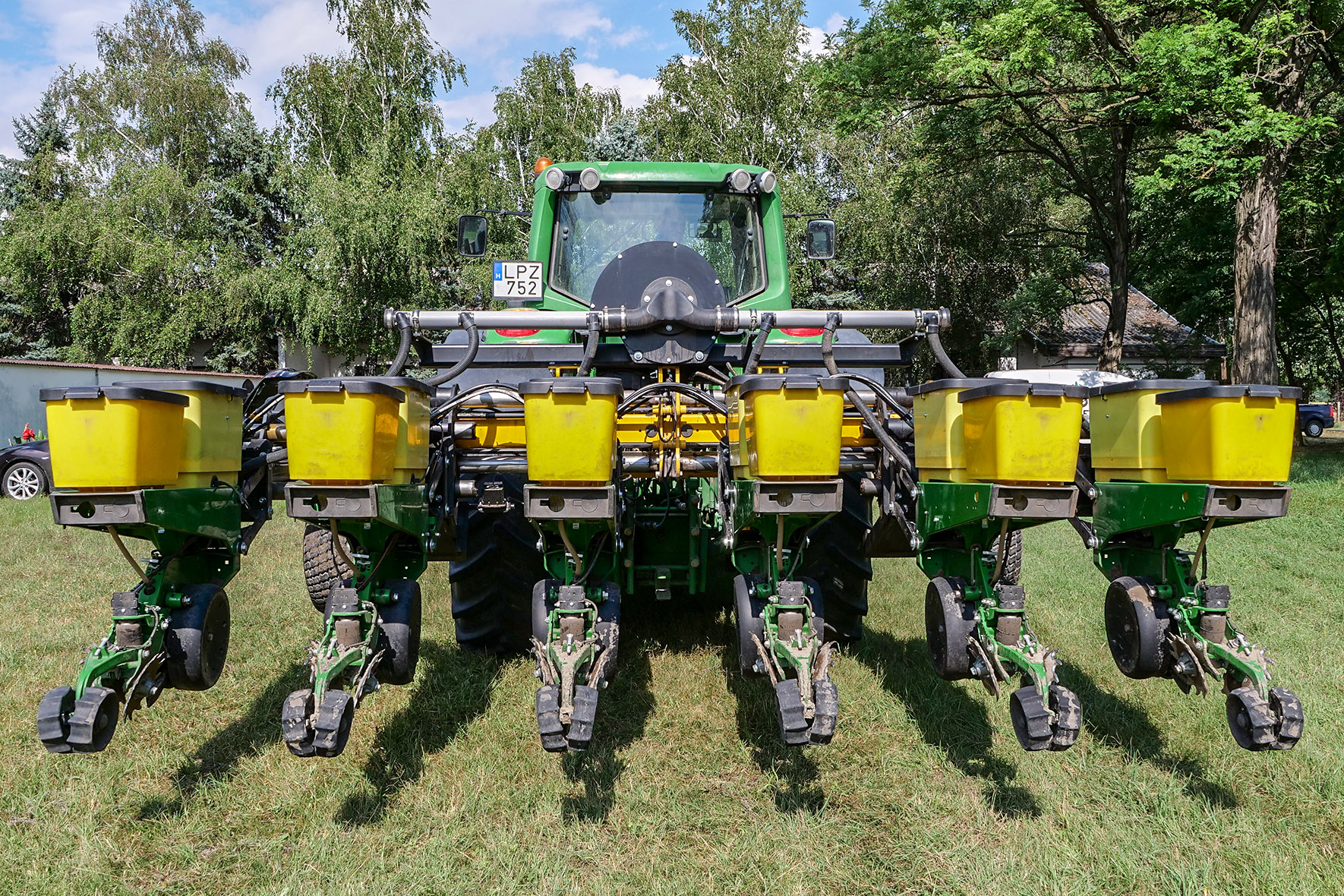
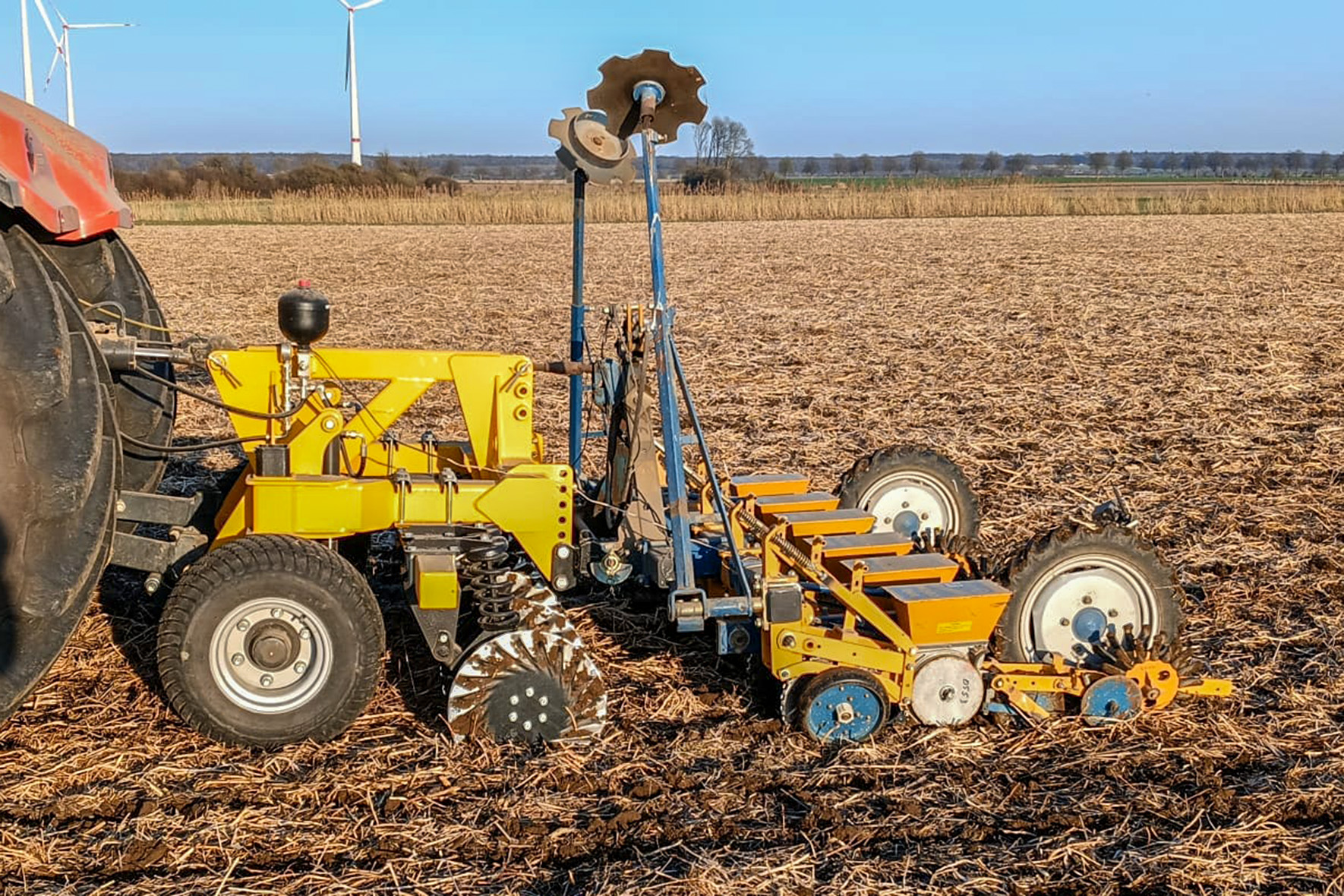
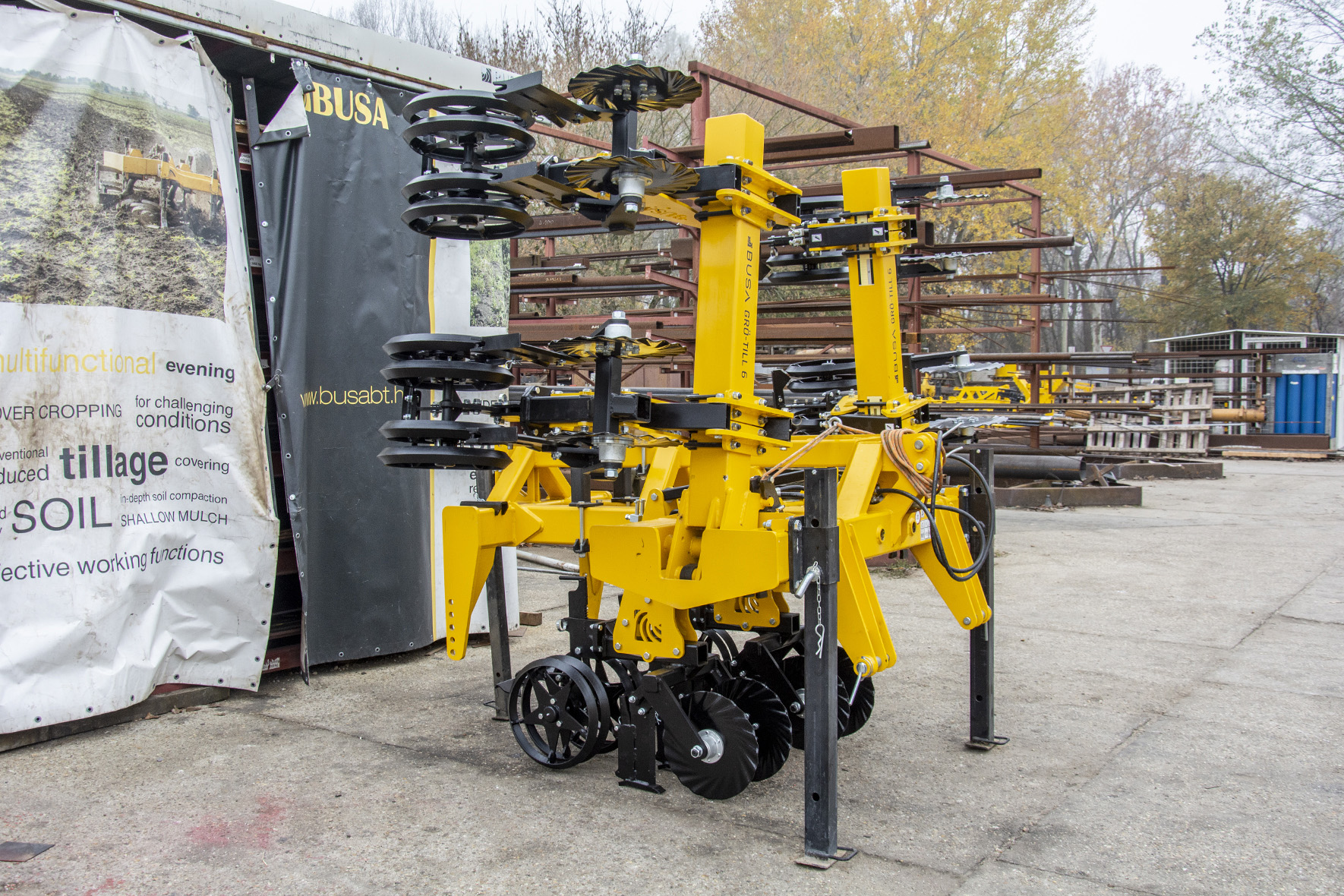
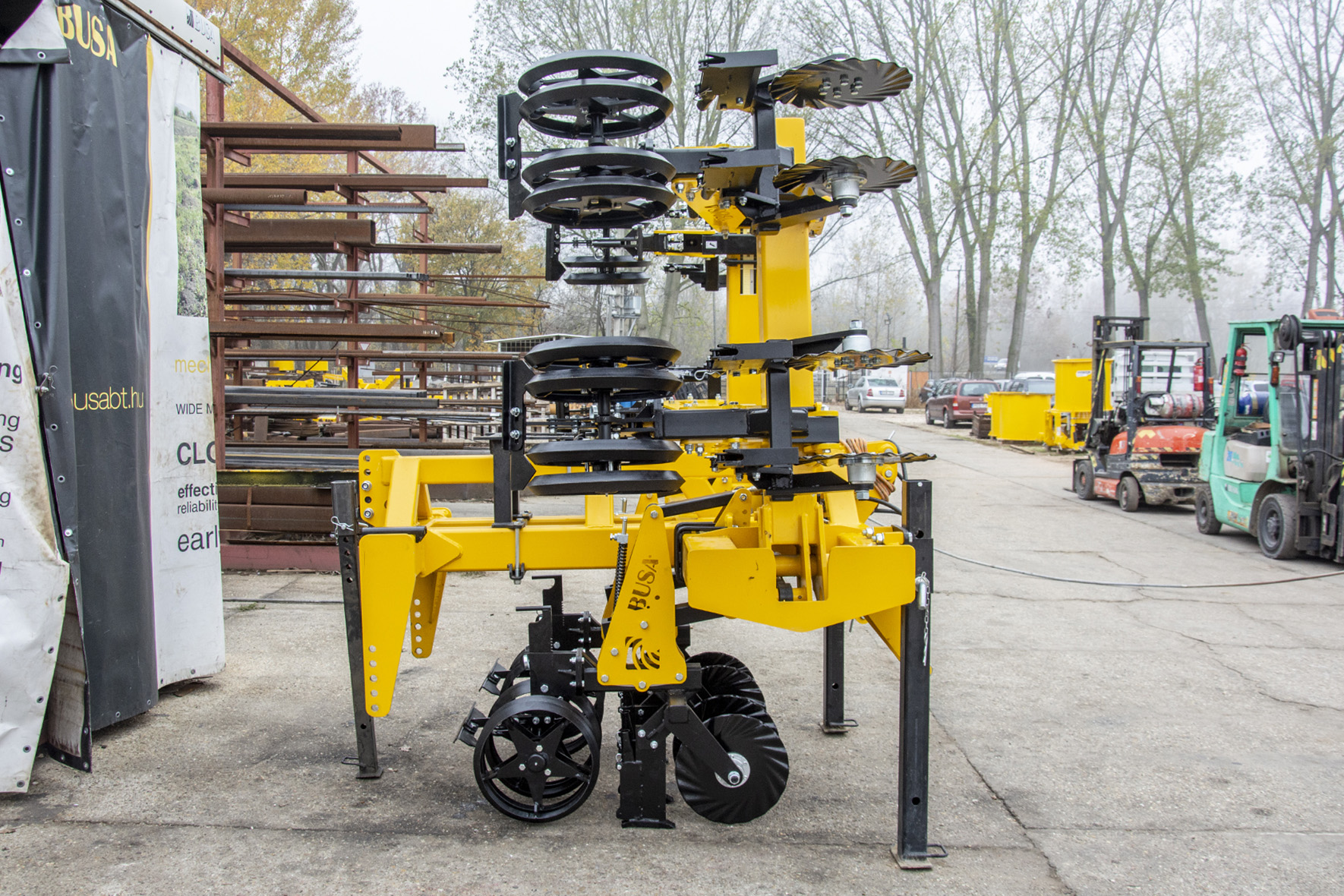
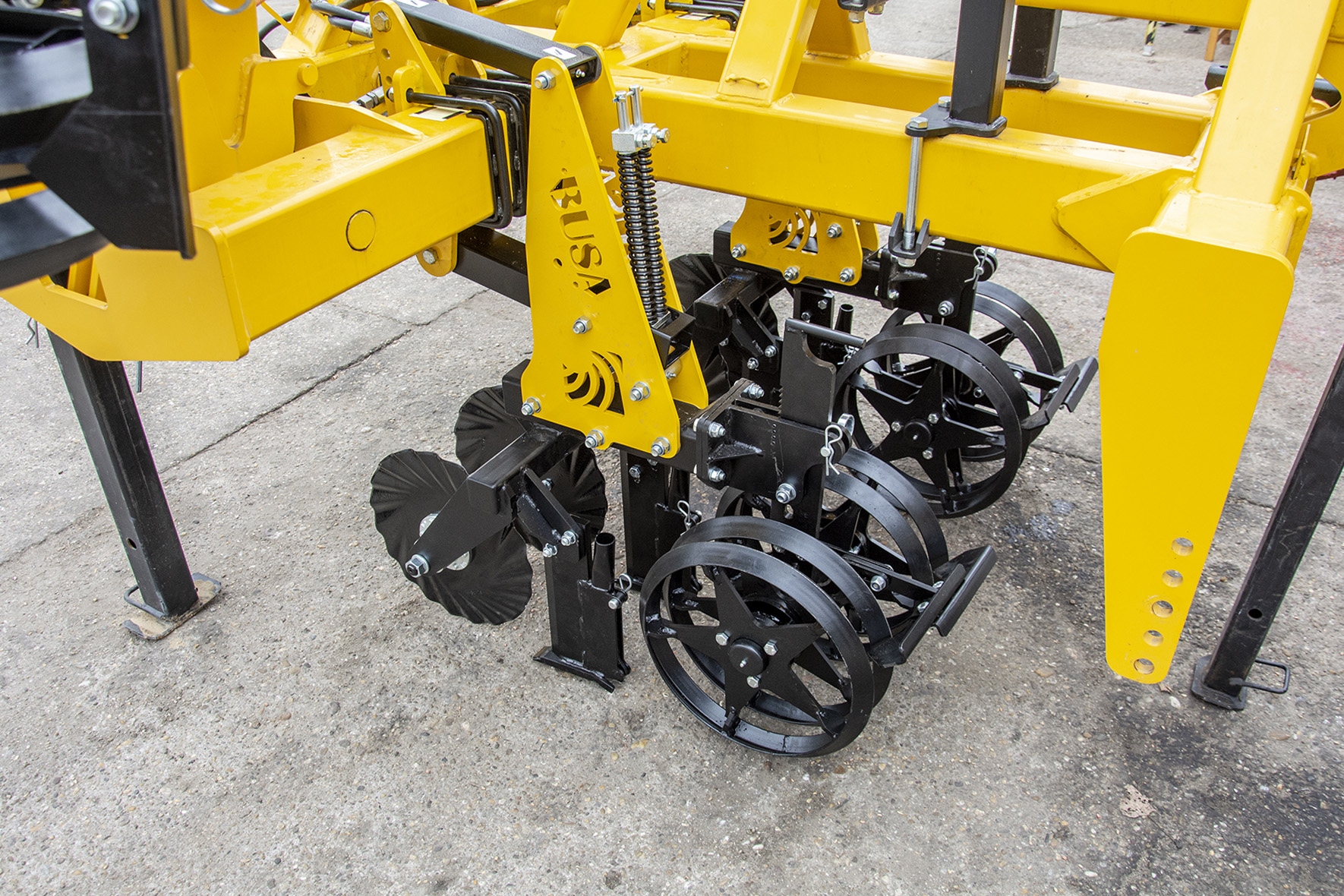
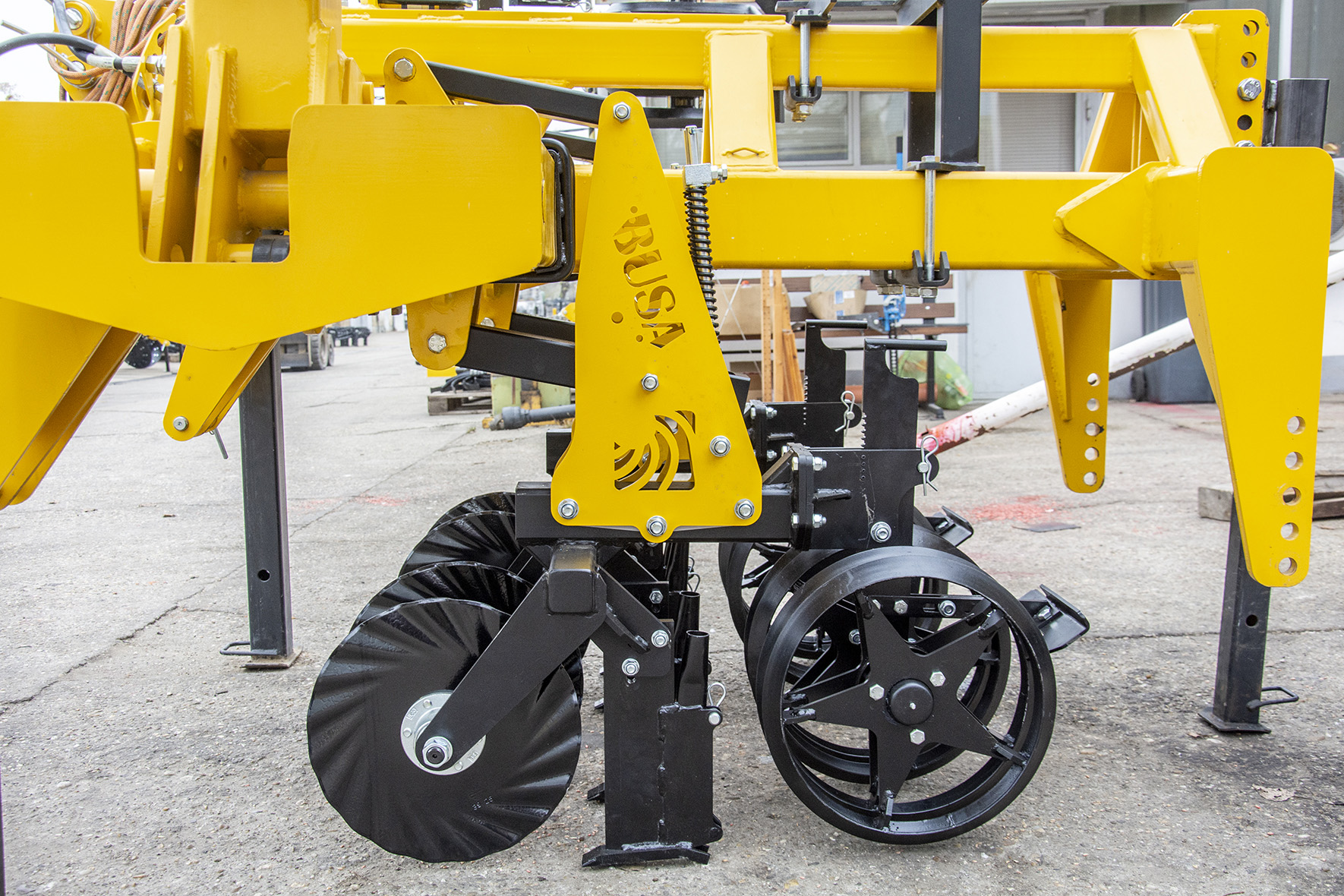
BUSA PPV-6
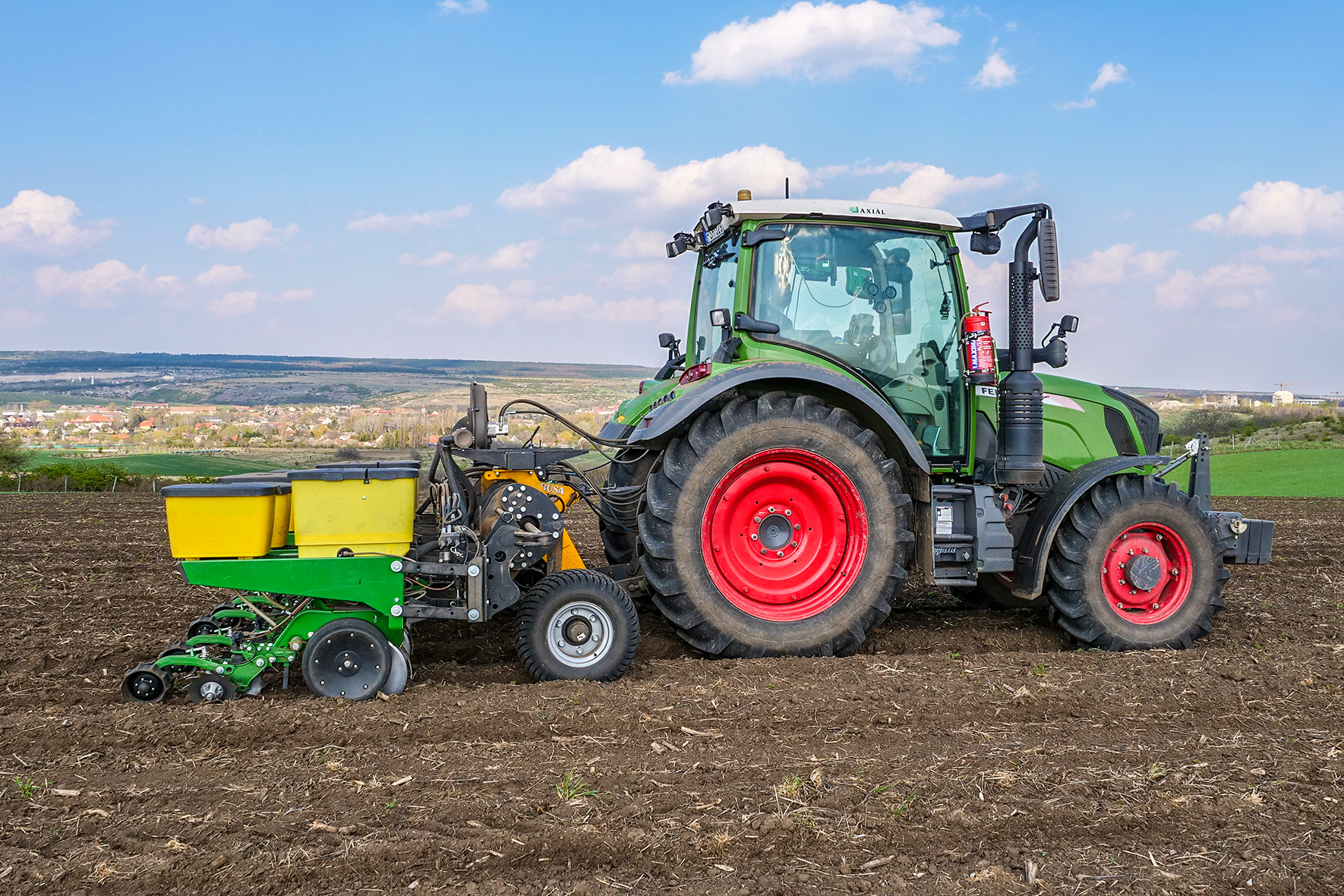
We created this frame specifically to support direct drilling. Direct drilling requires high coulter pressure. High coulter pressure naturally means high load on the machine frame and on the seeding unit. In the United States there are seeding units and planters built for this, but those machines are not made for the European market — over there, a “small” machine means 12 rows and a 4.5‑meter transport width. In Europe there are flexible machines with adjustable row spacing, but they were born for cultivated soils. You could say they are weak, but in reality they were simply designed for something else.
The BUSA PPV‑6 frame was created to combine the two worlds. With its patented sliding system, we can position the working elements exactly where we want them, from 40 cm to 76.2 cm. The frame weighs nearly 2 tons, so 300 kg of downforce is no problem. The massive frame will reliably hold the row units precisely, without any play.
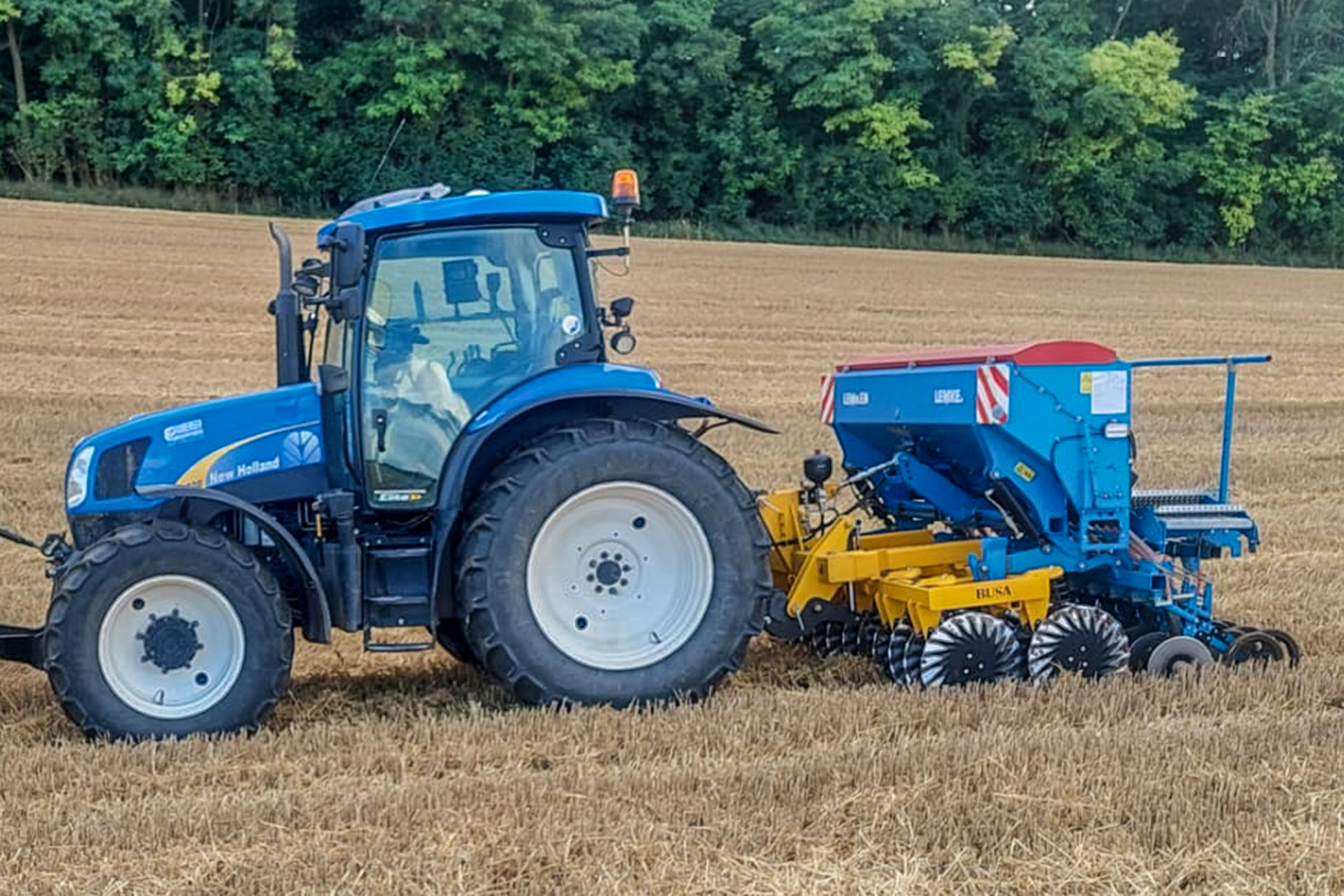
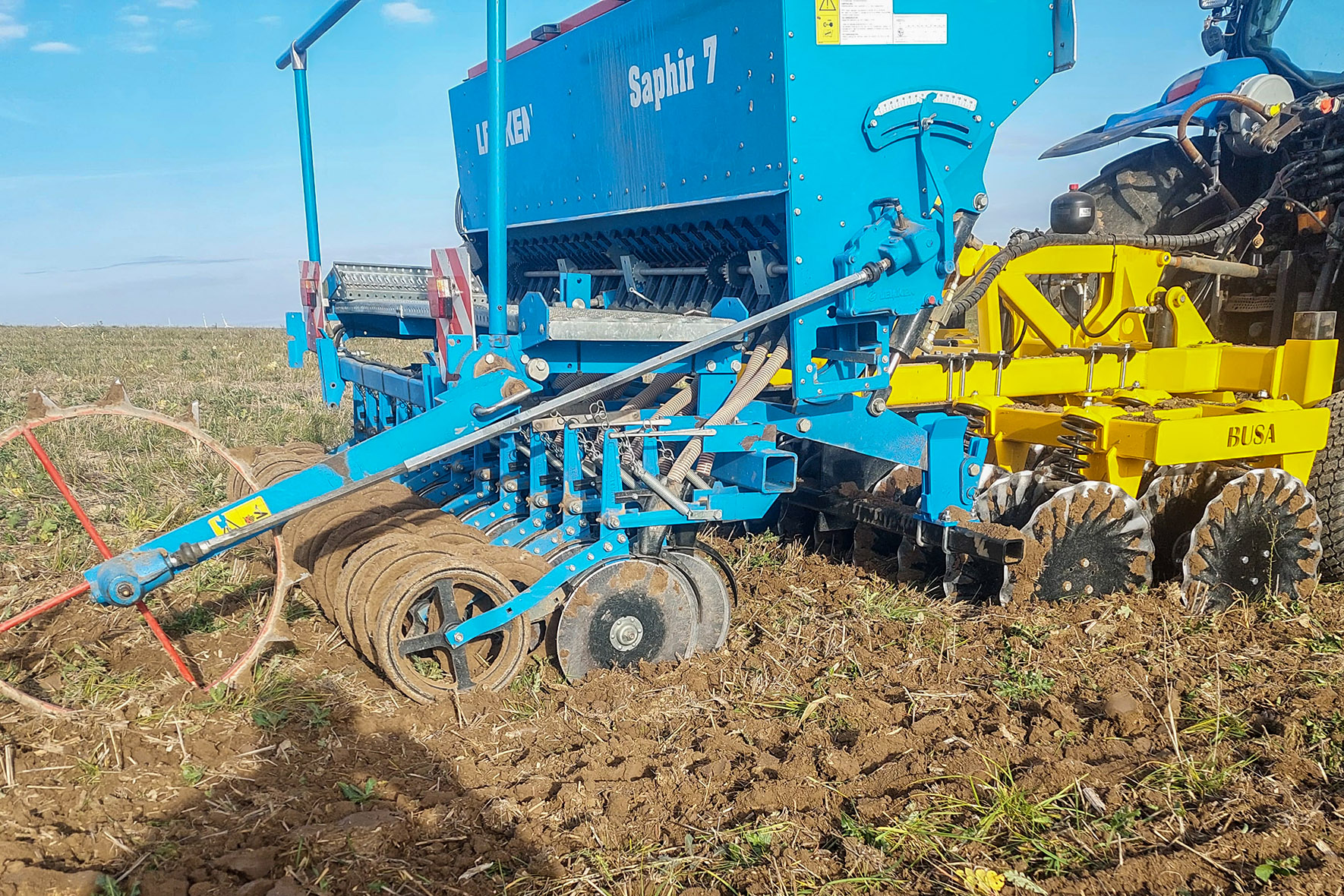
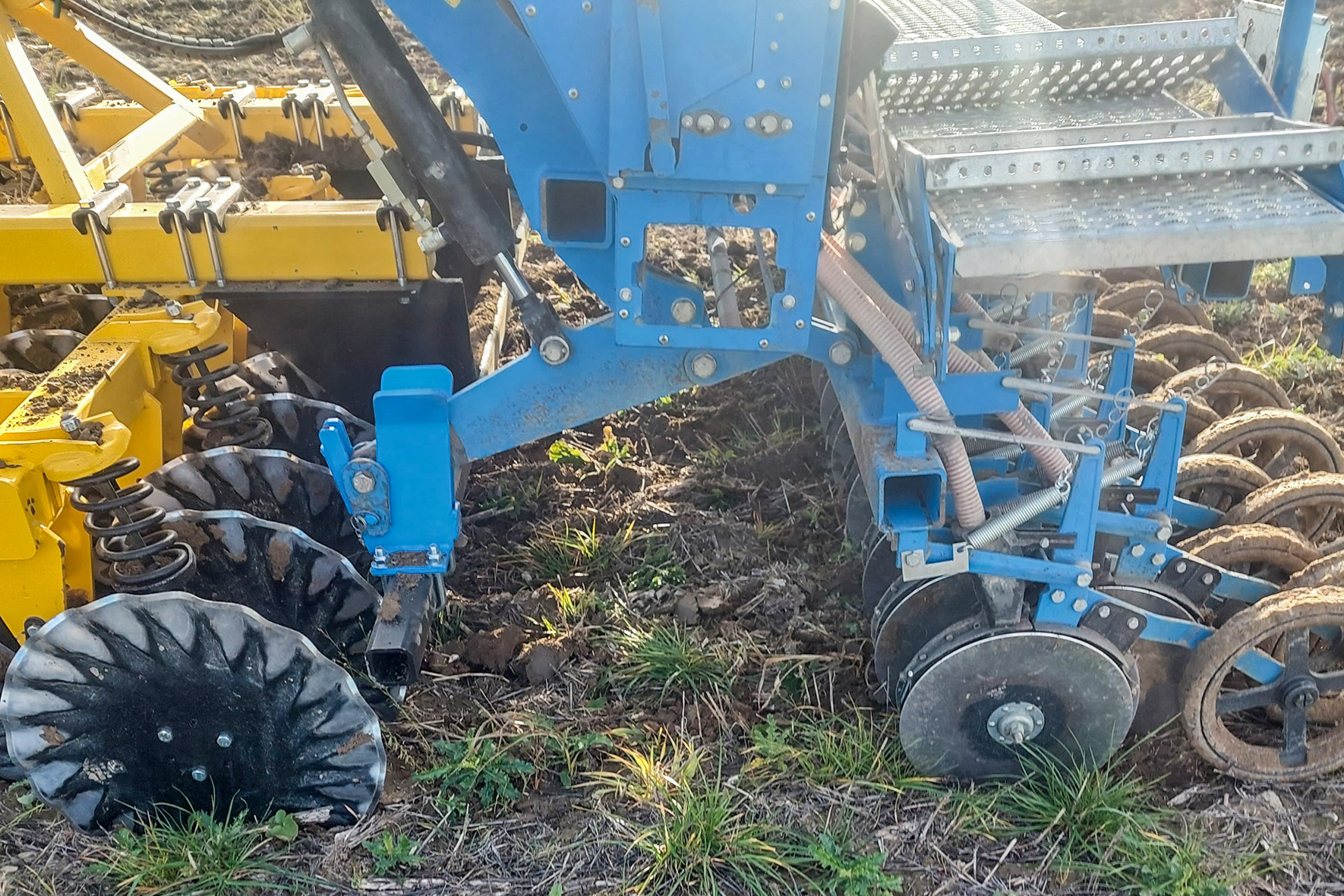
BUSA PreDisc
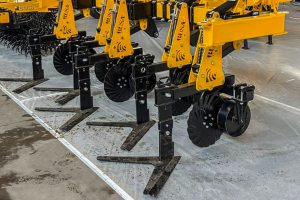
The Achilles’ heel of direct drilling is cutting through crop residue and forming a proper seed furrow. For those who don’t want to start experimenting with the new technology by immediately buying a new direct‑drill, we created the PreDisc. You can mount your existing seeder on the back of it, whether it’s a row‑crop planter or a grain drill. We designed 12.5, 25 and 50 cm row spacings on a 3‑meter frame. If the cutting force is still not sufficient, it also has a clever load‑transfer system that allows the machine to press itself into the soil using the tractor’s lower linkage.
BUSA Mouse Plow
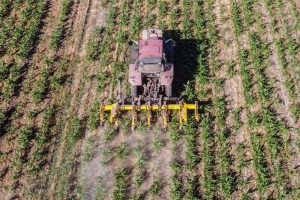
It’s a borderline case. This is really more Min‑Till, because it still works in the soil, but it solves a typical No‑Till problem. If we apply regenerative soil principles correctly, Mother Nature wakes up. That’s a good direction, but unfortunately in nature there is no such thing as one plant dominating many hectares — something will always appear to counterbalance it. Field voles are one such example. They are also part of nature, and in autumn, when part of the crops are removed, they migrate away from those areas to places where their numbers will become high.
We developed the Mouse Plow for this purpose. It is a machine that creates artificial tunnels, and into these tunnels it places small amounts of rodent‑control bait in a controlled manner.
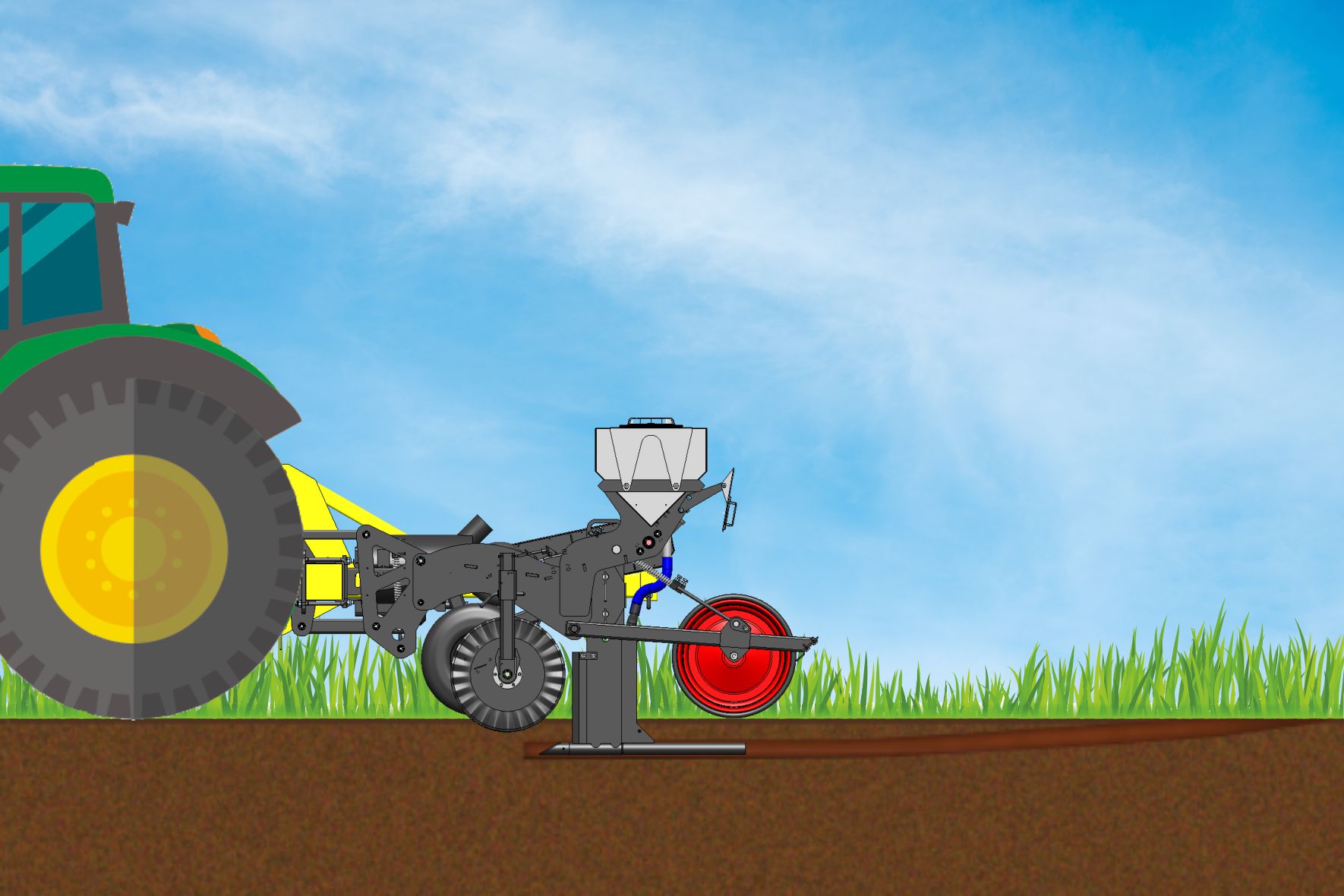
BUSA RDS - Relay Direct Seeder
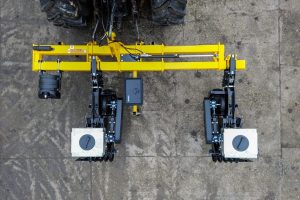
The BUSA Relay Direct Seeder is a seeding machine with an interesting approach. It did not evolve from a classic planter design, but rather from the direction of strip‑till and injection technology. The core concept is that it is a cultivator‑based tool, because we designed it for Relay Cropping and Intercropping systems.
The system has a main row spacing of 75 cm, and each row can be equipped with 2 or 4 seeding units at 25 cm or 12.5 cm spacing. Seed delivery can be handled either by mounting any small‑seed metering unit onto the machine or by feeding it from a front tank.
Min‑till / Regenerative
Many farmers we meet want to move further (or back) from No‑Till. With a focus on soil‑centered production, continuous plant cover and root continuity, they want to break away from chemical dependency. This is when shallow or ultra‑shallow tillage, mechanical weed control, mechanical termination, strip termination and strip‑till come to the forefront.
We’ll save this topic for a new article…