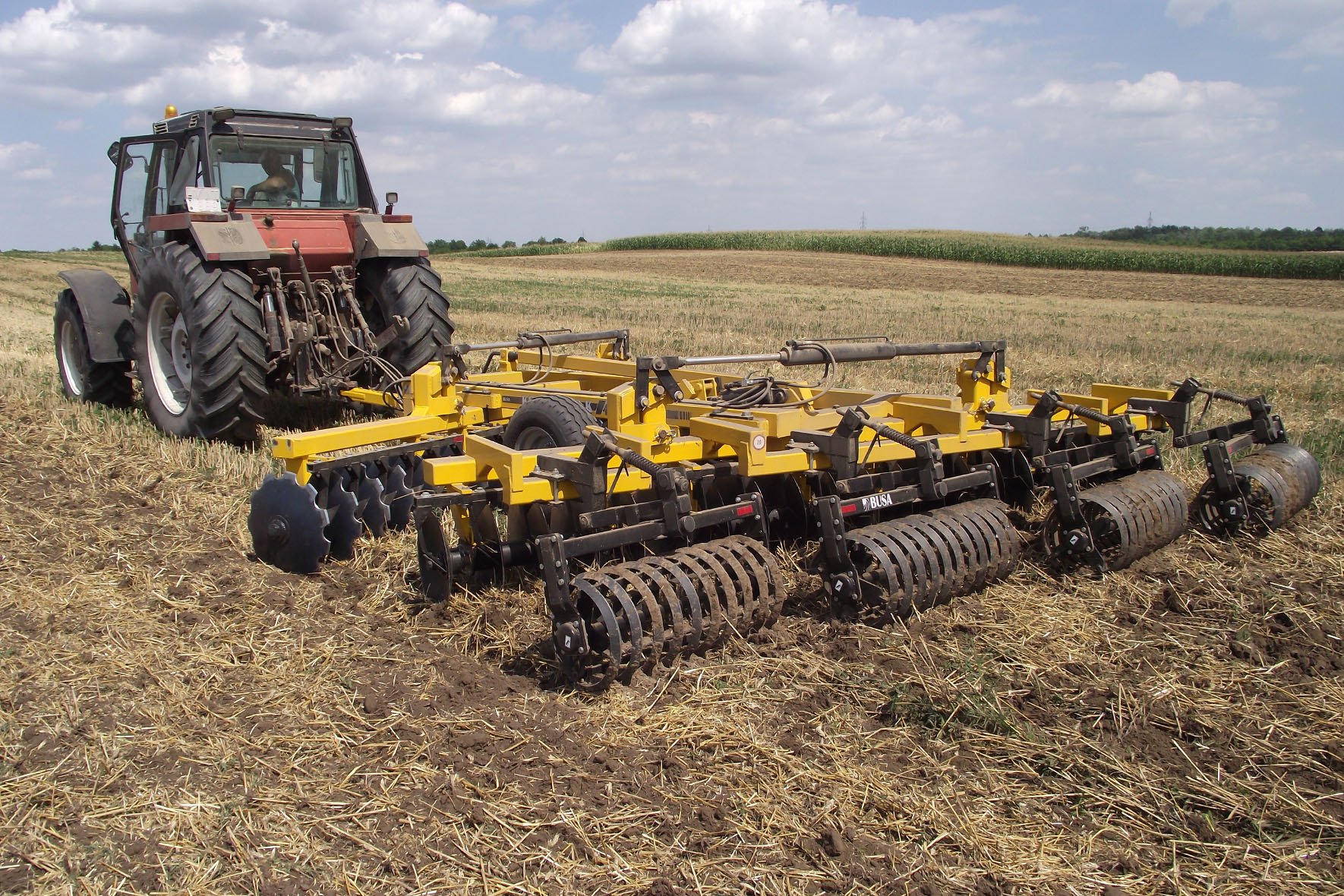
The applications of disc harrows within soil cultivation systems are versatile. They can be used for primary tillage, stubble stripping, incorporating pesticides, organic and mineral fertilizers, secondary tillage after plowing, and seedbed preparation.
We offer our implements in four different frame classes (light, medium, heavy, super heavy) with customizable disc size, spacing, and working width. The light disc harrows can be adjusted to work in orchards and vineyards by moving them to the side.
Each version is equipped with a level controller, which ensures simple adjustment of straight running and even work depth. The level controller of heavy-weight trailed disc harrows features a spring to prevent over-load. Super-heavy implements feature hydraulic leveling.
Work depth can be set by adjusting the angle of the disc arms or by means of the wheels.
In the standard configuration, our disc harrows are equipped with IH system ST bearings, and tapered roller bearings can be optionally ordered.
Finishers are also available to supplement each version, which allows for finishing the soil in one session helping to reduce moisture loss.
There are two ways to attach a finishing roller to our Disc Harrows. The rollers can be fitted with springs directly on the implement or with a traction link, separately as an independent implement. To close the soil and maintain moisture, our implements can be equipped with spiral angle profile roller spiral angle profile roller, for seedbed preparation, you can choose slated roller or their mud-scraped version.
Our lightweight field cultivators are recommended for mechanical weed control, seedbed preparation, soil aeration, and stubble management tasks. The forged shank elements arranged in two or three rows work at a uniform depth thanks to the limiter springs and gauge wheels.
The duckfoot tines can work without clogging even on wet soil, breaking up the compacted, saline areas and eradicating weeds and volunteer plants. The machine can be equipped with a slated roller and a wedge spiral roller as well as their variants with an internal mud-scraper, a large-diameter wedge spiral roller also with internal scraper, and a spring-loaded striegel.
We typically recommend our two-row SZF cultivators for stubble cultivation and soil aeration. The two rows are equipped with spring-loaded duckfoot tines, with a standard spacing of 560 mm, but the number and spacing of the shares can be optionally adjusted.
Upon request, a mechanically adjustable levelling and finisher element can be added after the tine rows. Depth control is provided by depth-limiting wheels located in the frame. This frame type is available in mounted or trailed, fixed or foldable versions.
Our KULTI-KOM cultivators equipped with three rows of hoes can be used for stubble management, seedbed preparation, soil aeration, and stubble breaking. They are manufactured with a trailed frame, which can be requested in fixed or foldable versions.
The three-row, spring-secured duckfoot tines are arranged with a 690 mm spacing in the basic arrangement, but the number and spacing of the tines can be optionally changed. Depth control is provided by the gauge wheel located in the frame, which is adjustable mechanically for both frame types. After the tines, an adjustable leveling bar and finisher are located.
They are used for post-harvest stubble breaking, tending to plowed stubble, and shallow primary tillage.
The basic task of stubble cultivation is to preserve moisture and mix the surface layer of soil with the shallowly buried plant residues. Before harvesting, humidity is high in the dense vegetation, so the fresh stubble is moist and easy to cultivate. The later we cultivate it, the more water we lose, and the harder it becomes to cultivate.
In closed stubble, the level of moisture is stable which makes subsoiling and possible plowing easier and more effective.
Our Heavy field cultivators are machines for stubble breaking and shallow primary tillage. The spring-secured cultivator elements bring clean soil to the surface from the lower soil layers. The elements arranged in five rows do not clog even on corn stubble.
For precise depth control, the machine is equipped with gauge wheels. After the cultivating elements, a levelling disc element and a large-diameter roller can be mounted to close the stubble.
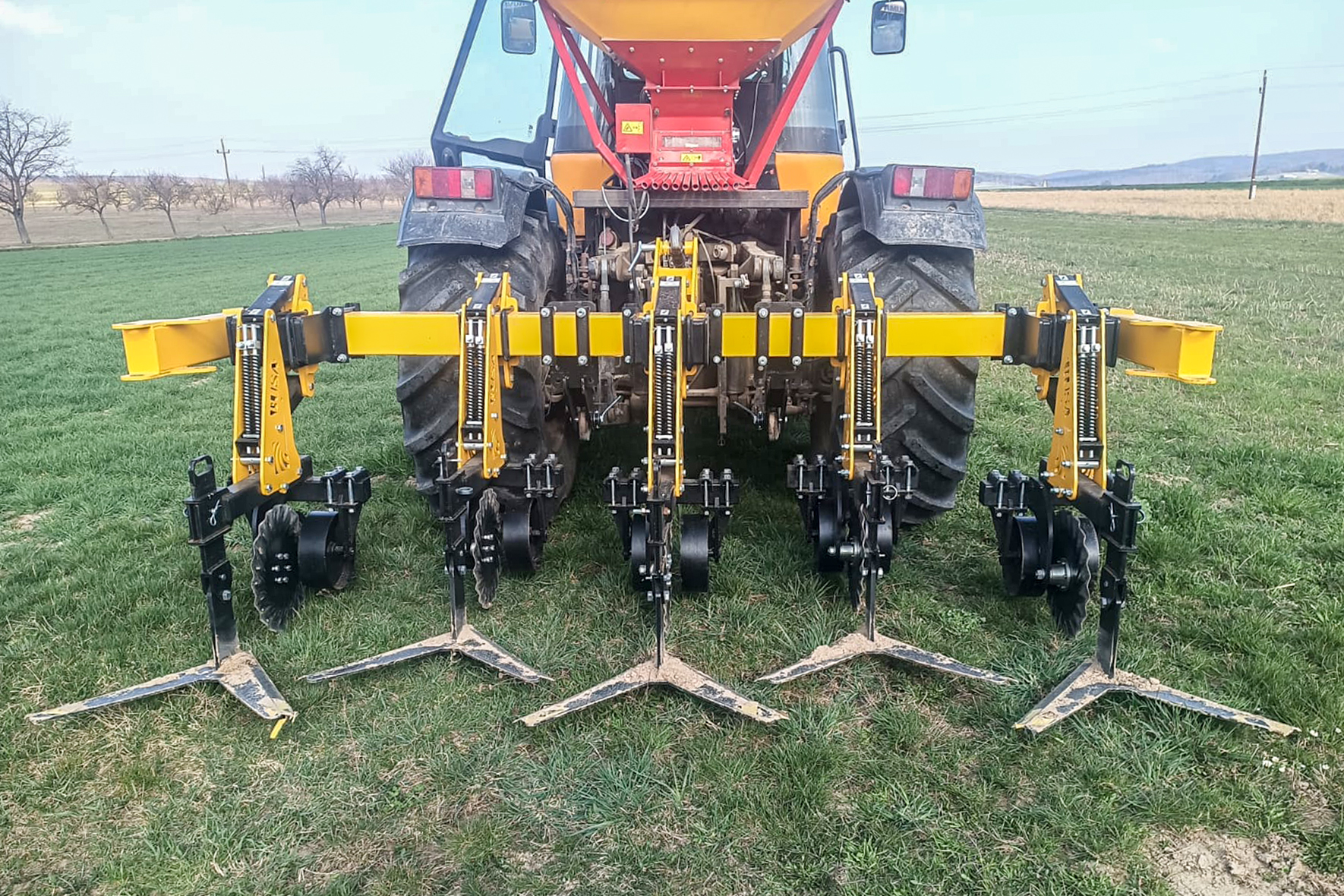
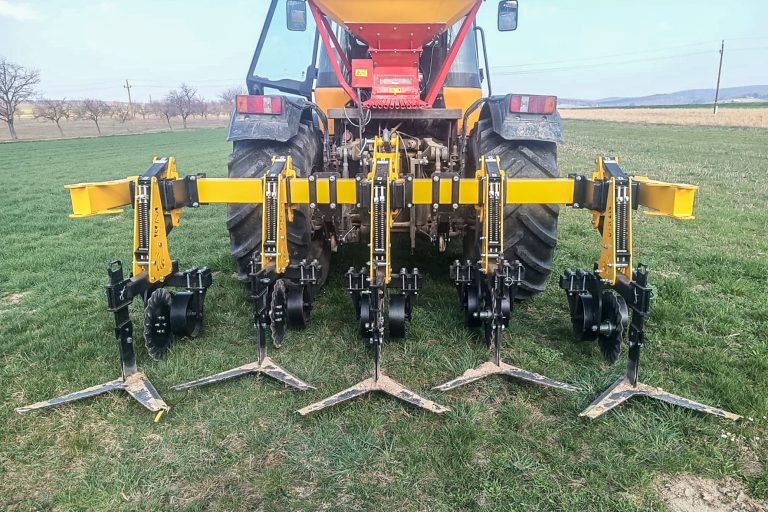
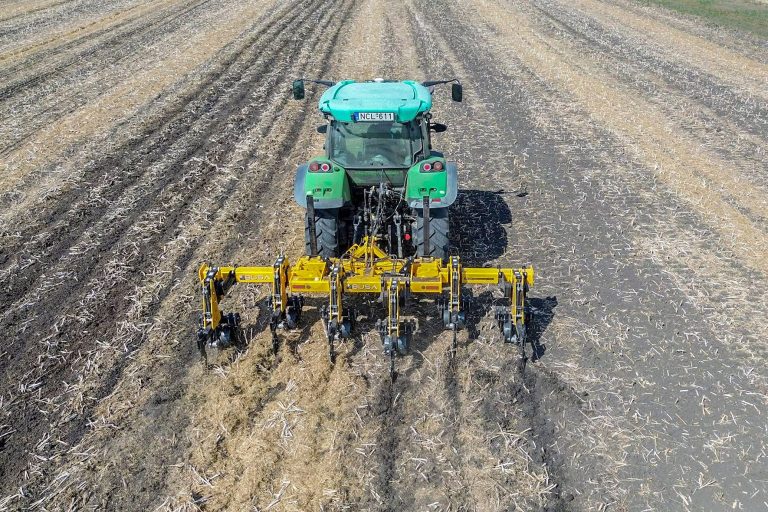
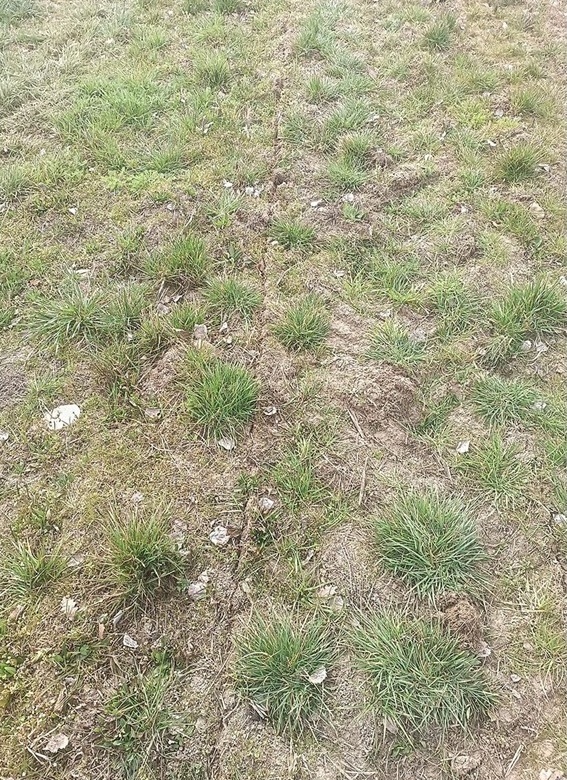
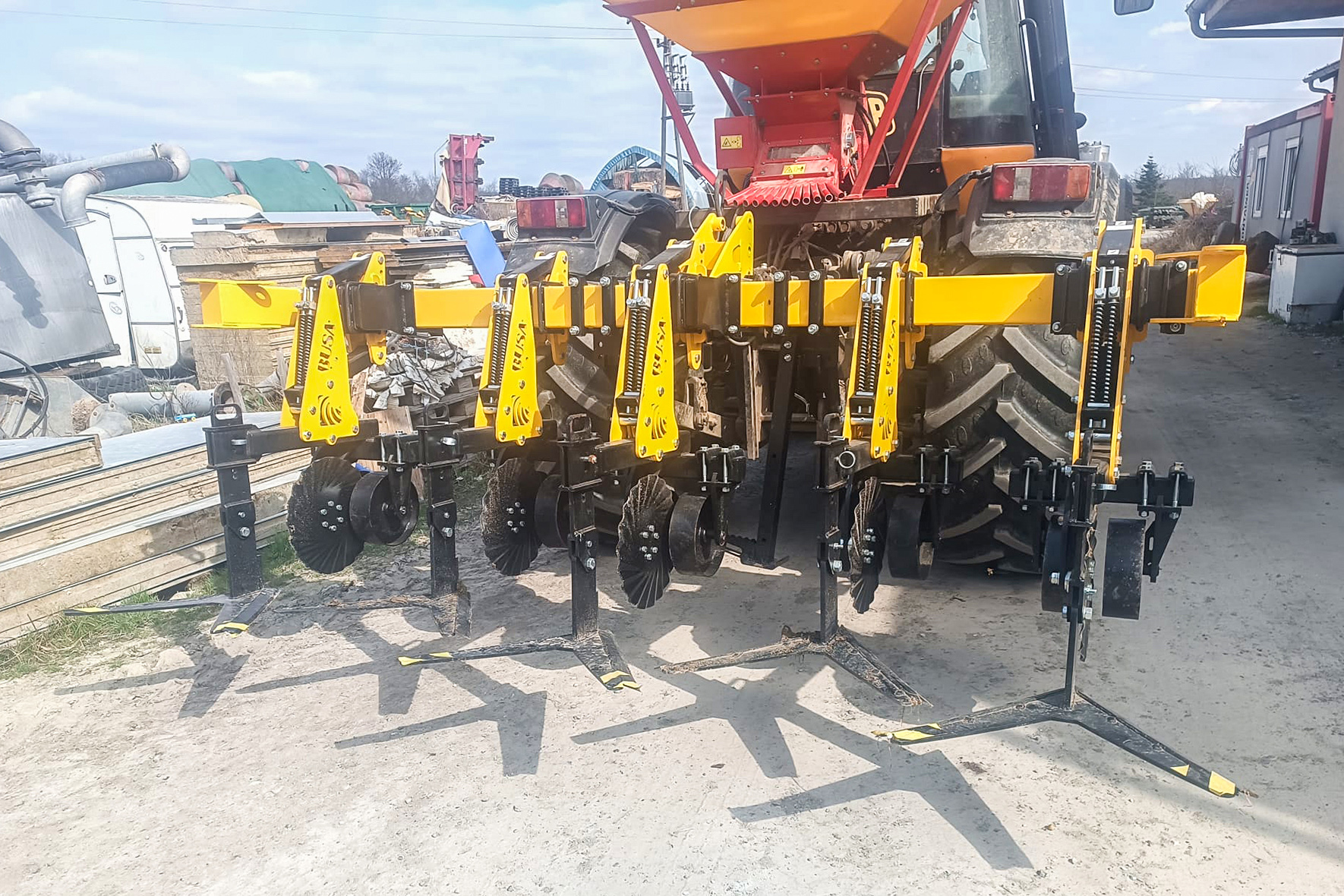
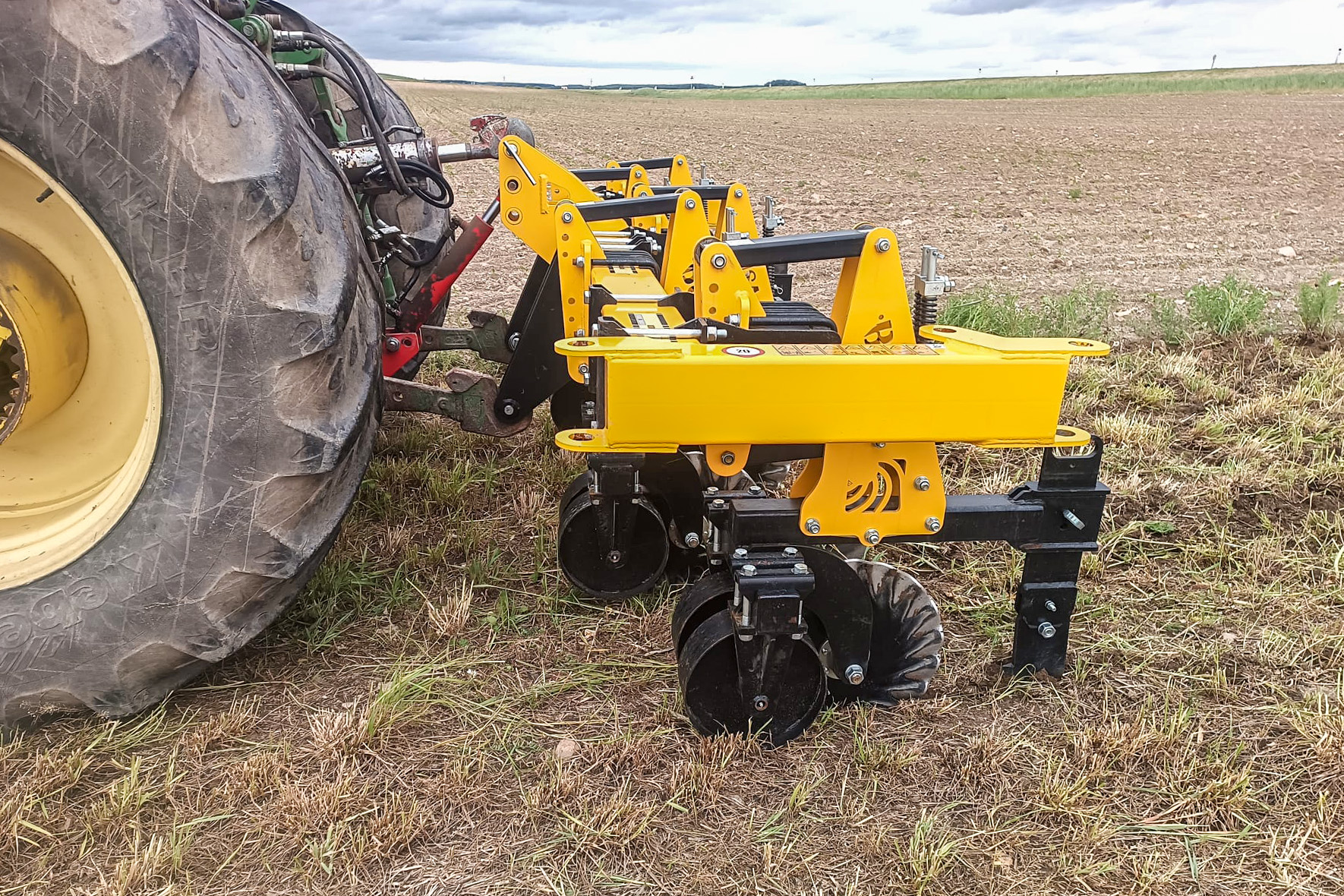
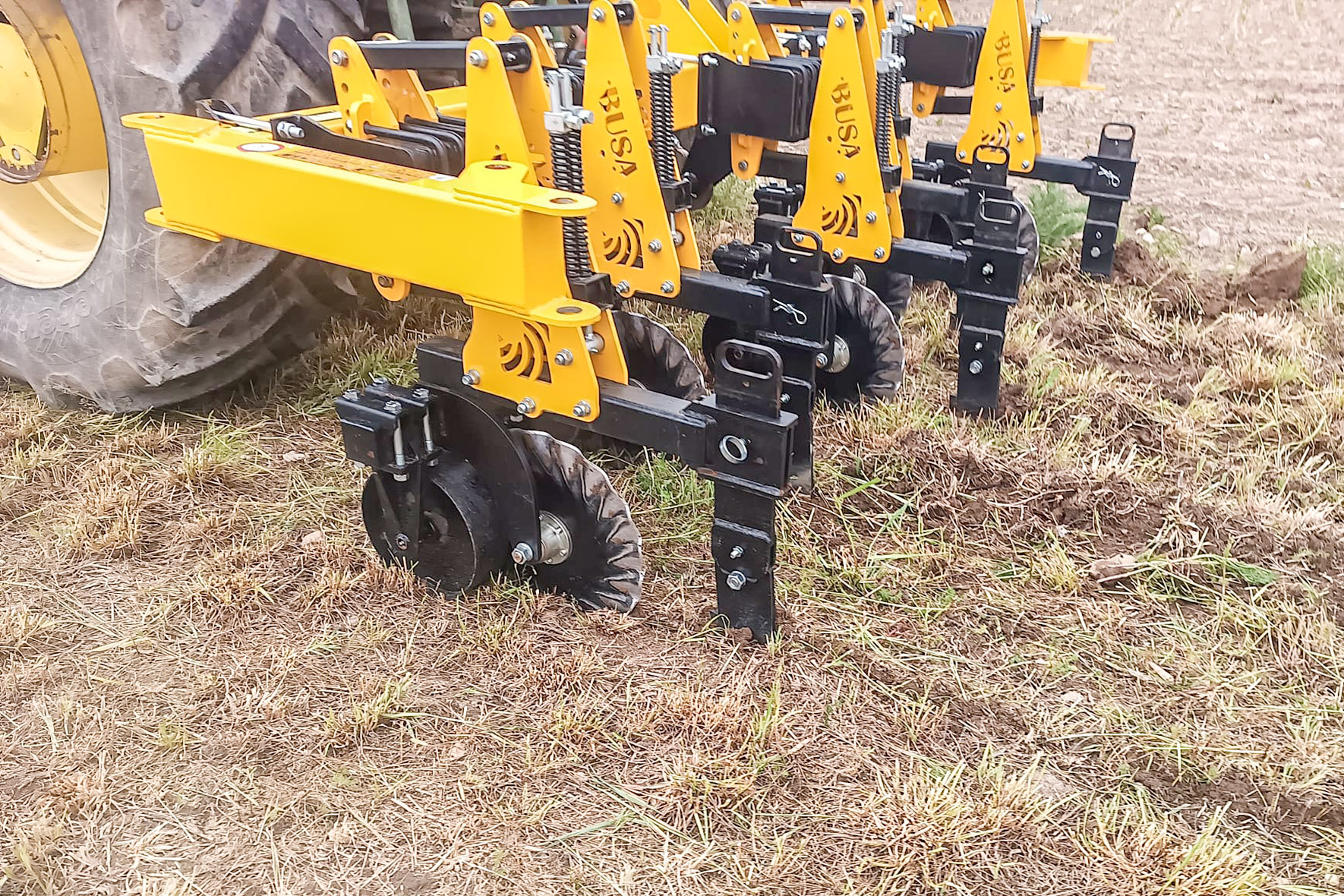
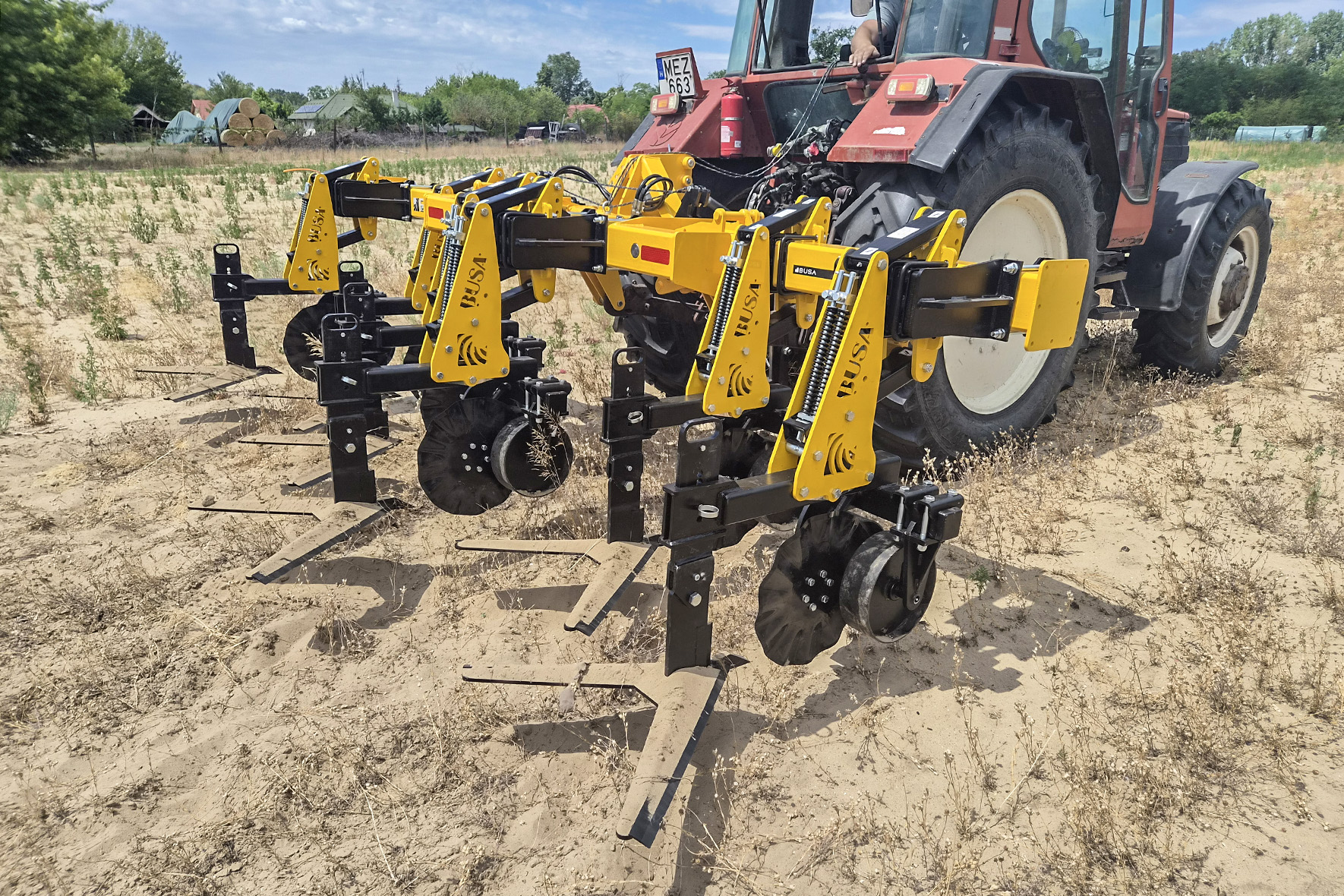
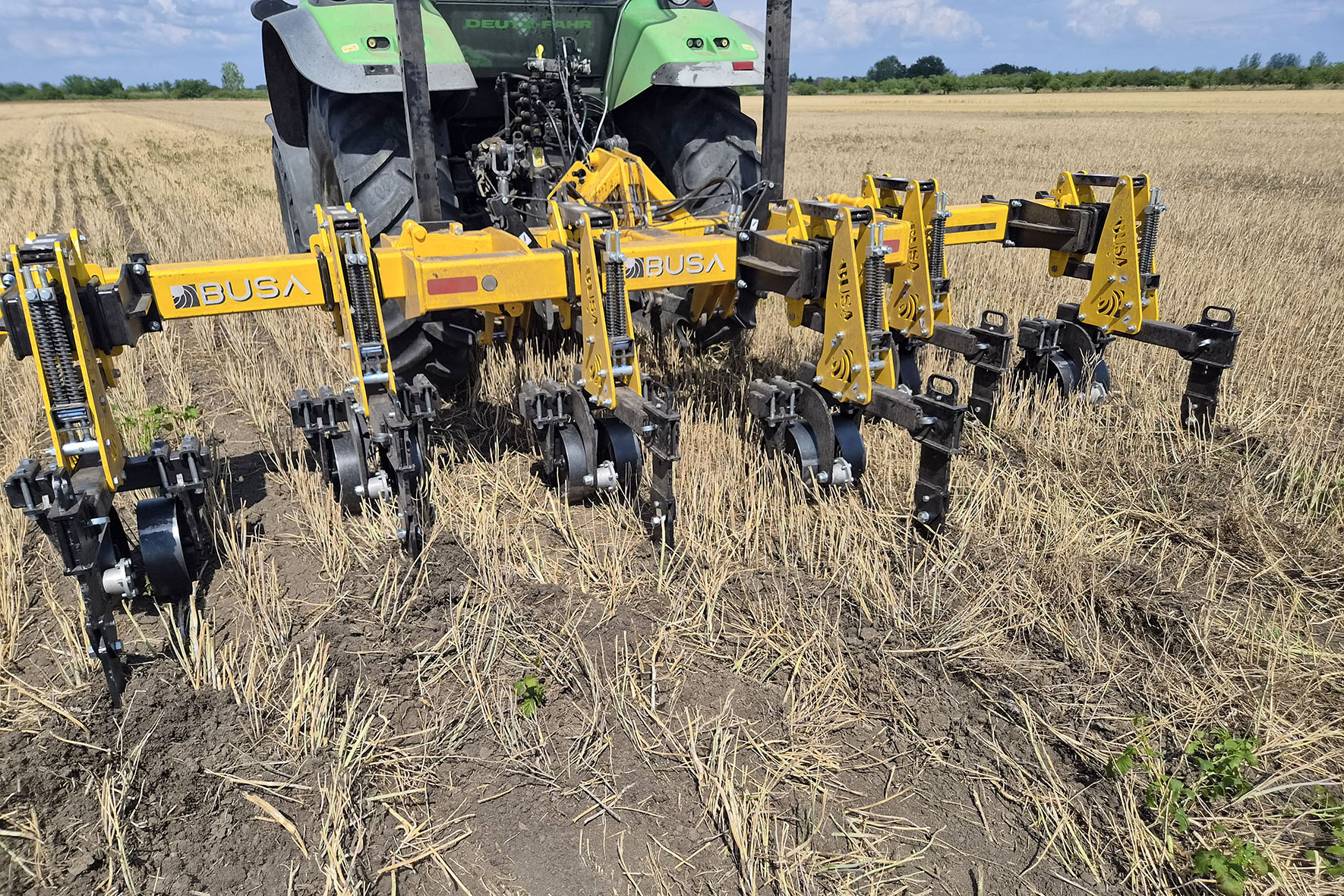
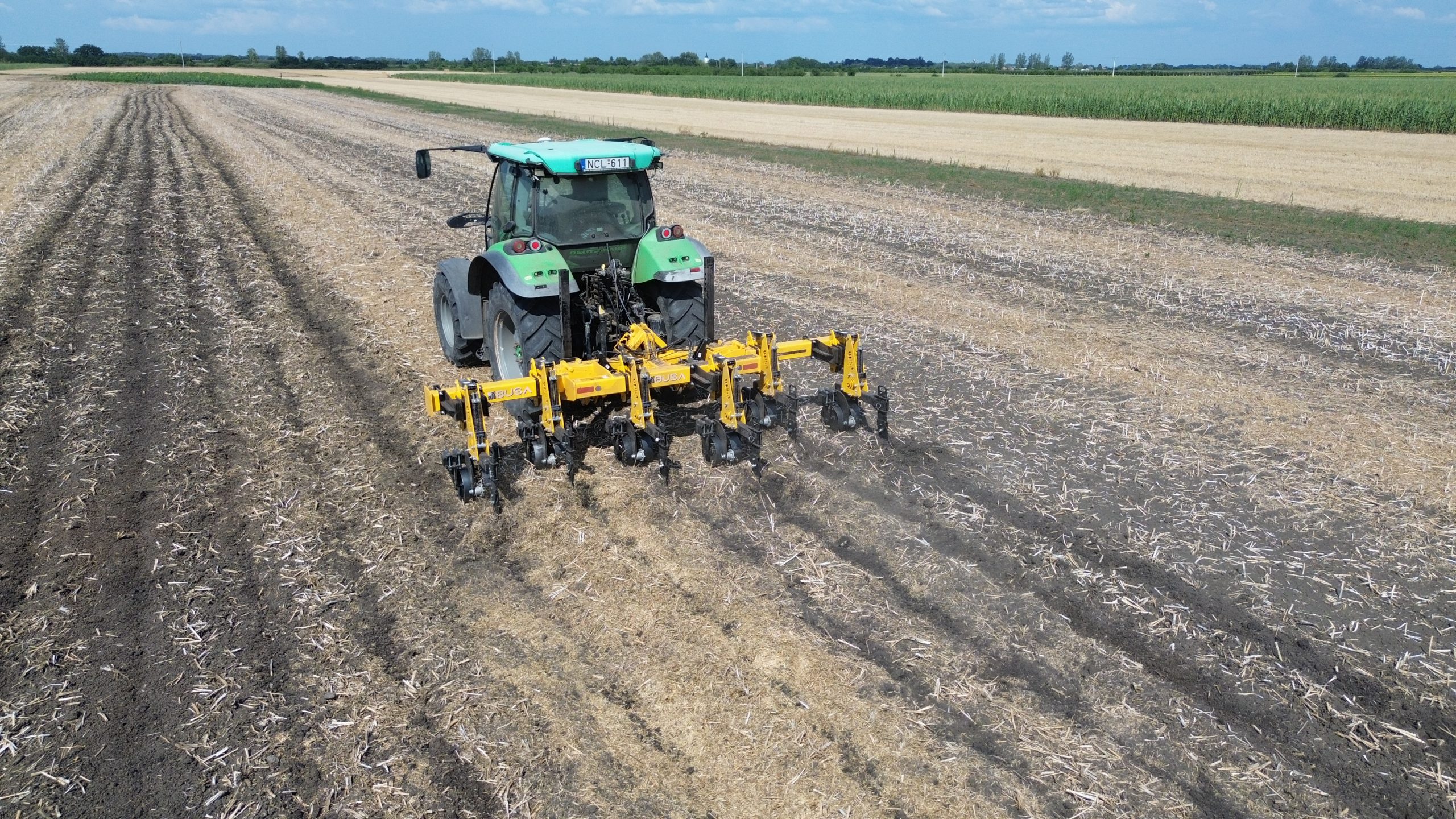
V-rootR is an innovative, ultra-shallow tillage tool designed for efficient termination of crop stands, stubble management, and organic Min-Till and Strip-Till technologies. The machine is unique in that it can cut through the entire soil surface with minimal traction without unnecessarily disturbing deeper soil layers or the useful root zone.
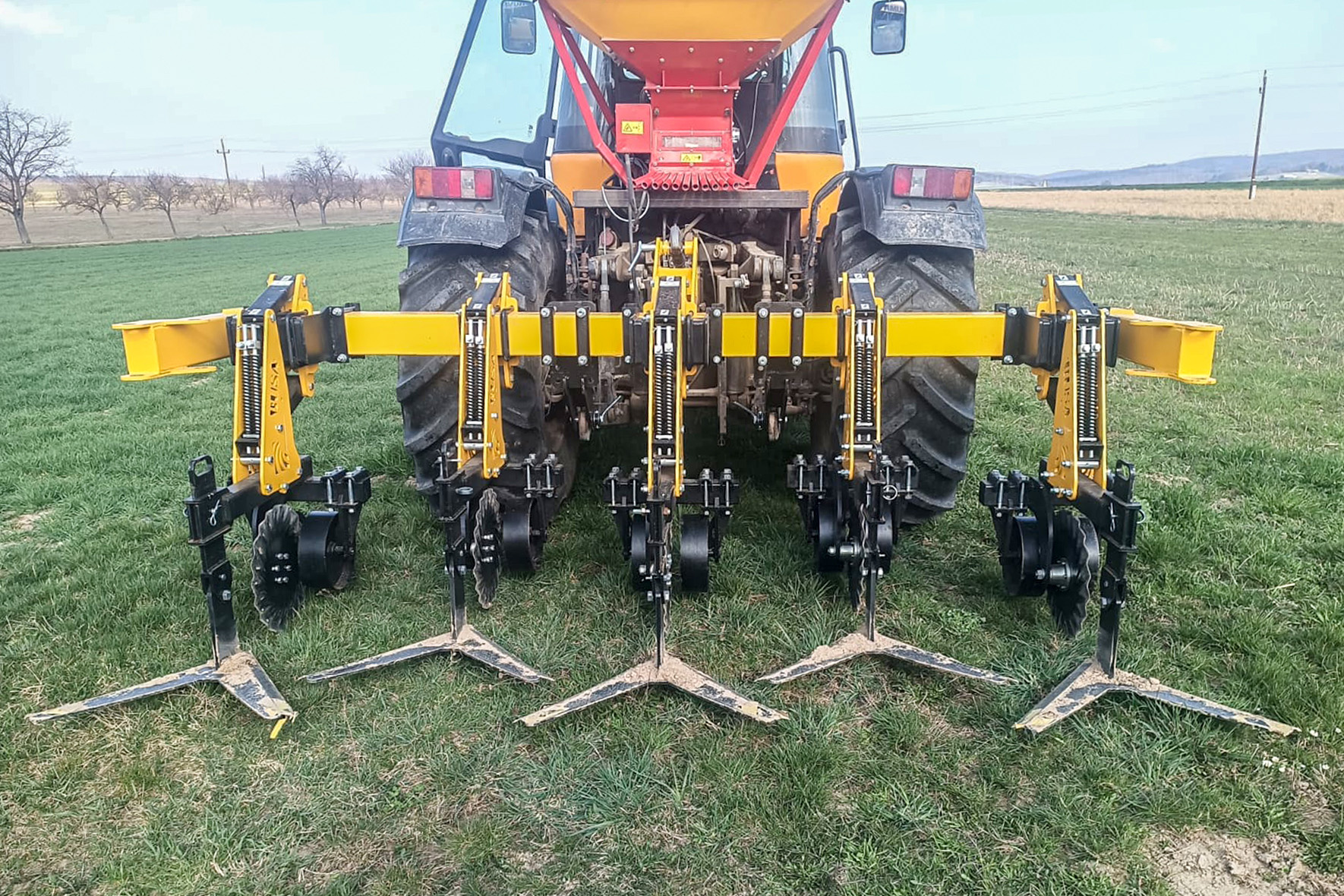
The unique wing tines mounted on parallel float carriages and the front depth control wheels guarantee an absolutely uniform working depth, accurate to the millimetre. This precision prevents stalk residues from winding up and clogging the machine, even in high stubble or dense green vegetation.
Perfect plant termination: Cut weeds and orphan plants just below the surface, at the root collar. This is the surest way to mechanically kill the plants (they will not re-sprout) while avoiding chemical treatment.
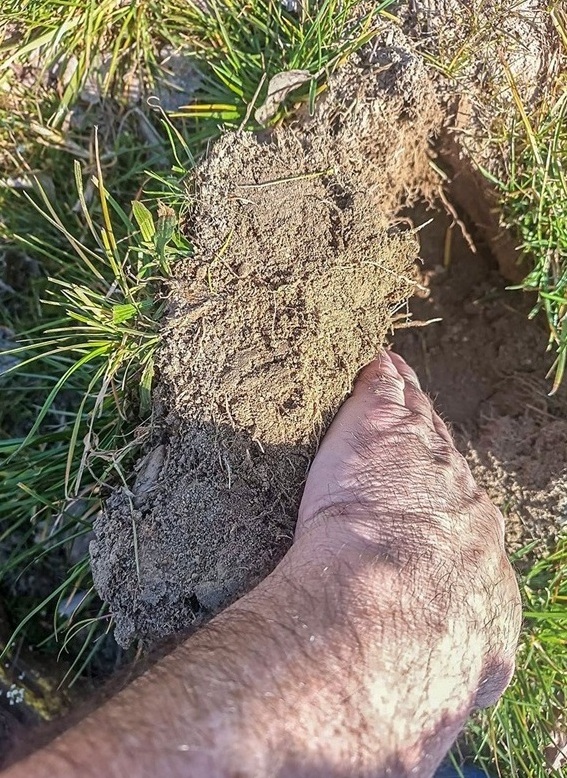
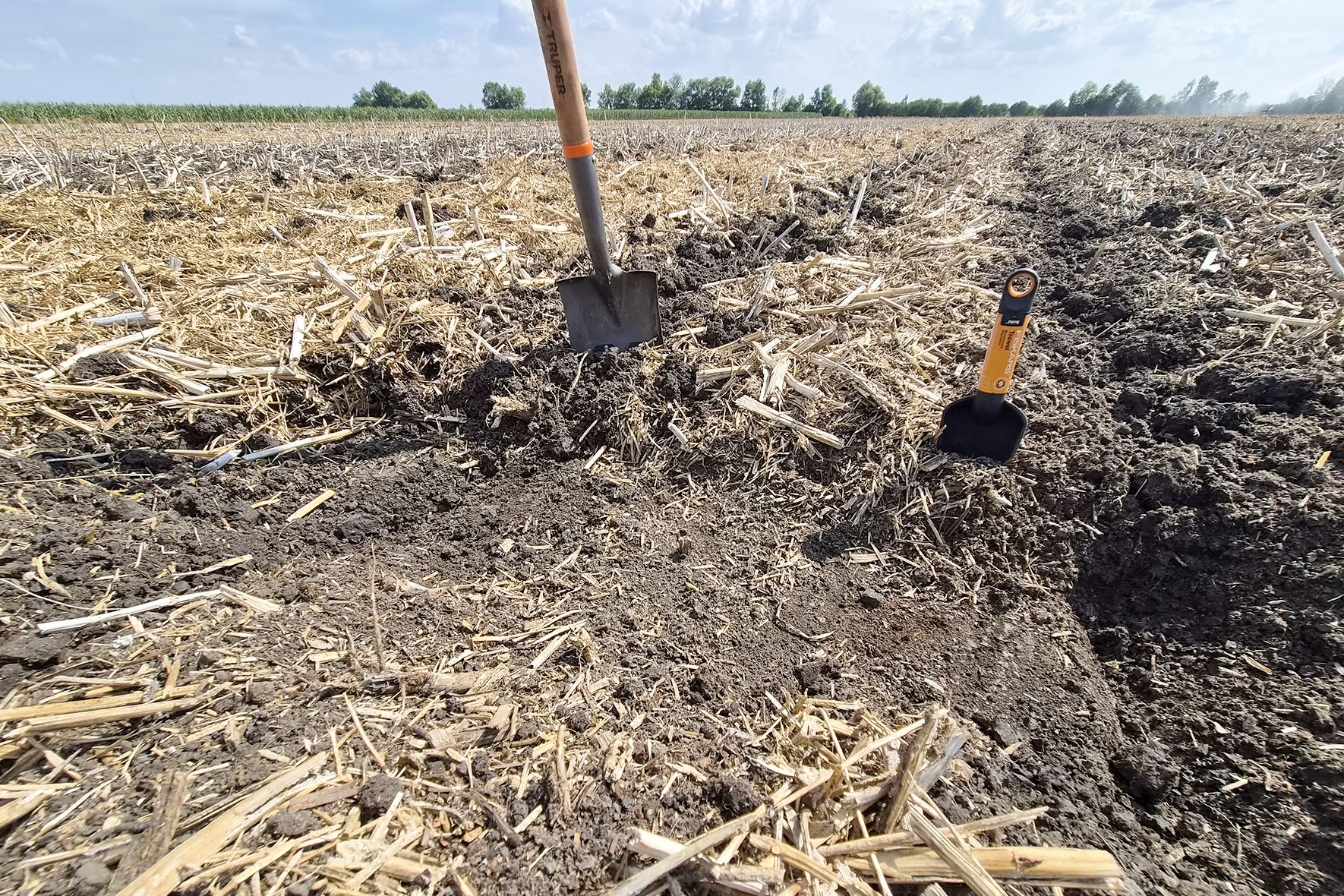
Root zone preservation: Leaves the root network below the soil surface intact. This preserves the soil structure, improves water infiltration, and minimizes the risk of wind and water erosion.
Versatile technology background: Excellent for both organic strip tillage (Strip-Till) and reduced tillage (Min-Till). Thanks to the different sized tines, the machine can be flexibly configured to clean row gaps or even leave partial strips free.
Perfect plant termination
Cut weeds and wild garlic just below the surface, at the root collar. This is the surest way to kill the plants mechanically (they will not re-sprout) while avoiding chemical treatments.
Root zone preservation
It leaves the root network below the soil surface intact. This preserves the soil structure, improves water infiltration, and minimizes the risk of wind and water erosion.
Diverse technological background
It is also excellently suited for organic strip tillage (Strip-Till) and reduced tillage (Min-Till). Thanks to the different sized tines, the machine can be flexibly configured to clean between rows or even leave partial strips free.
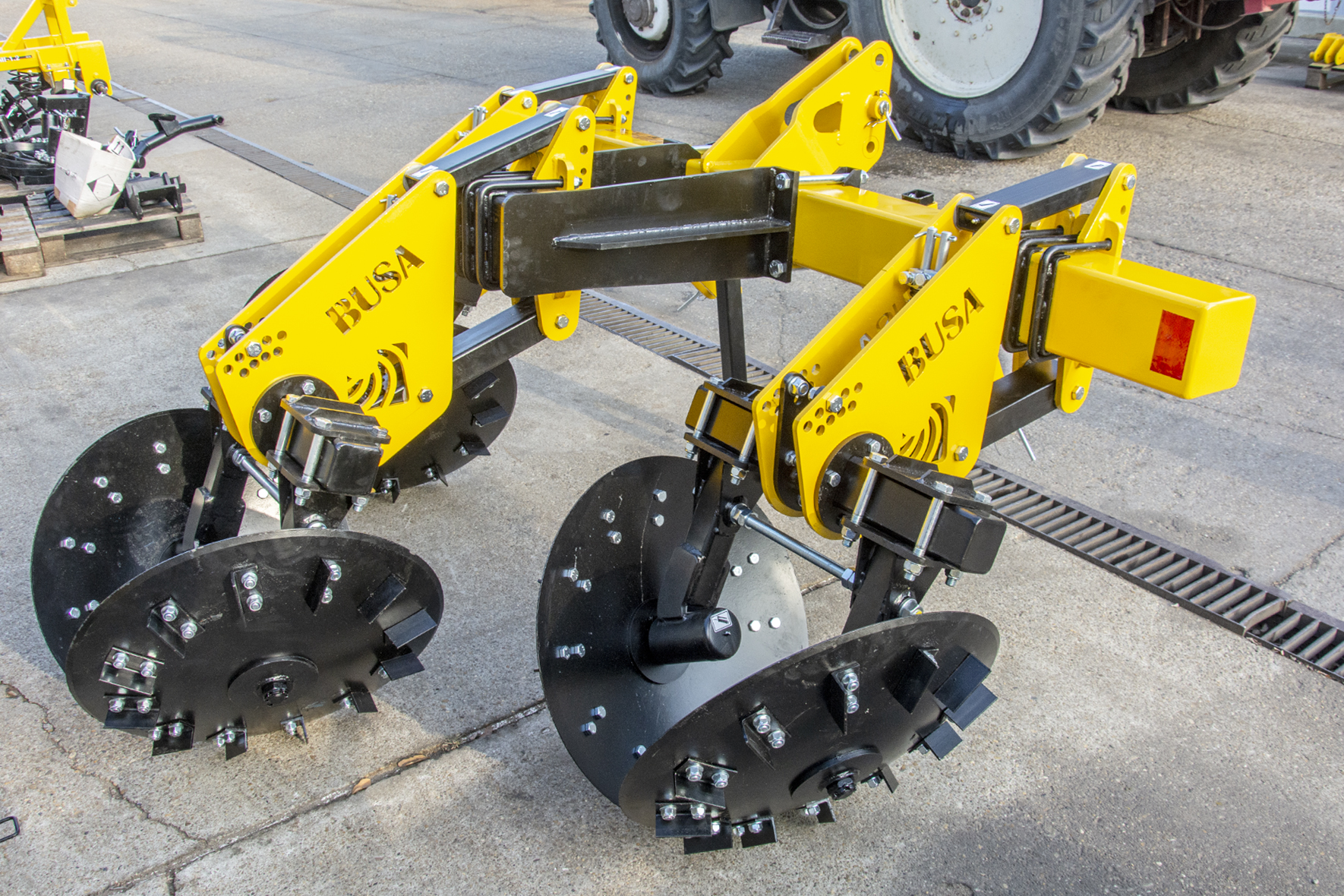
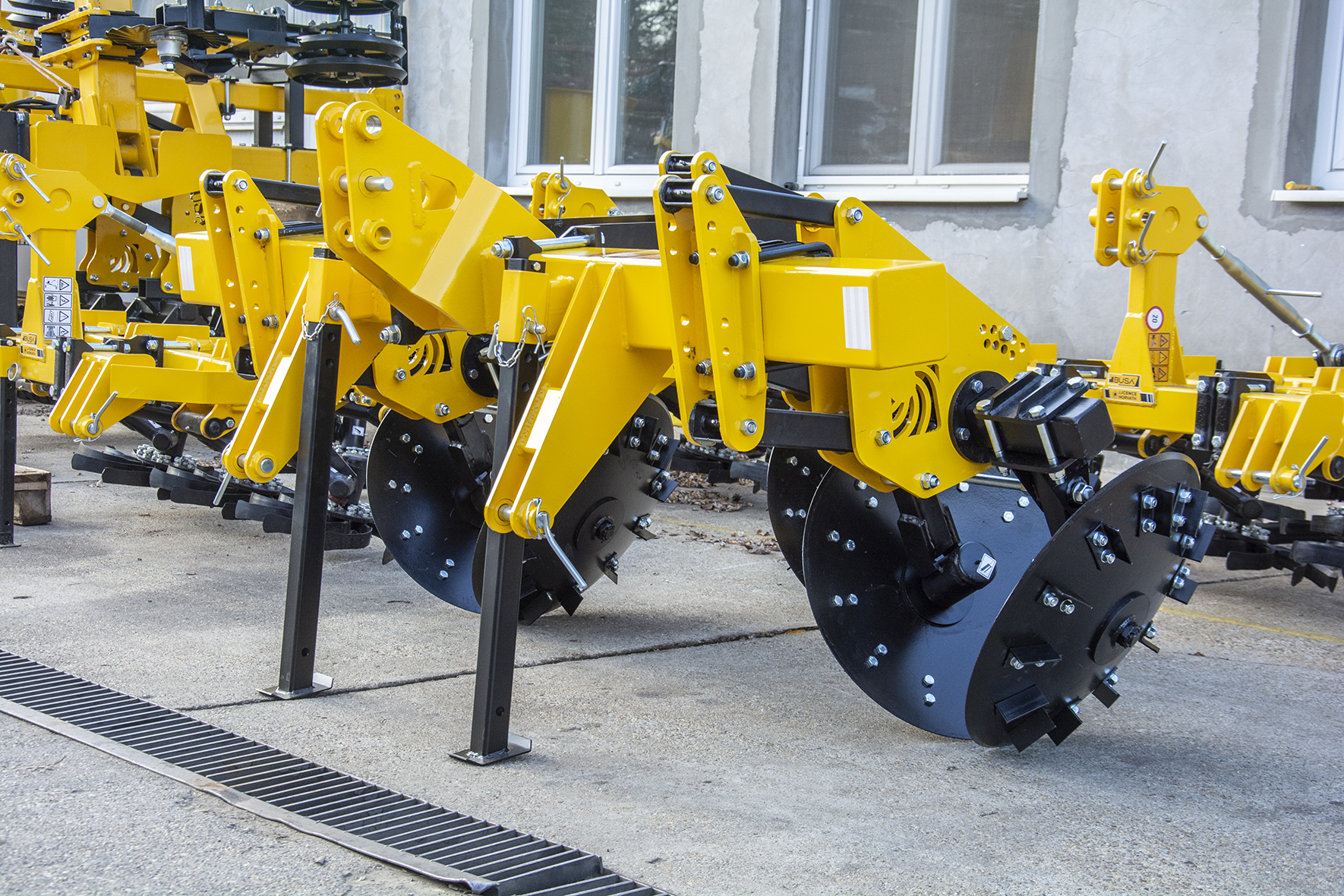
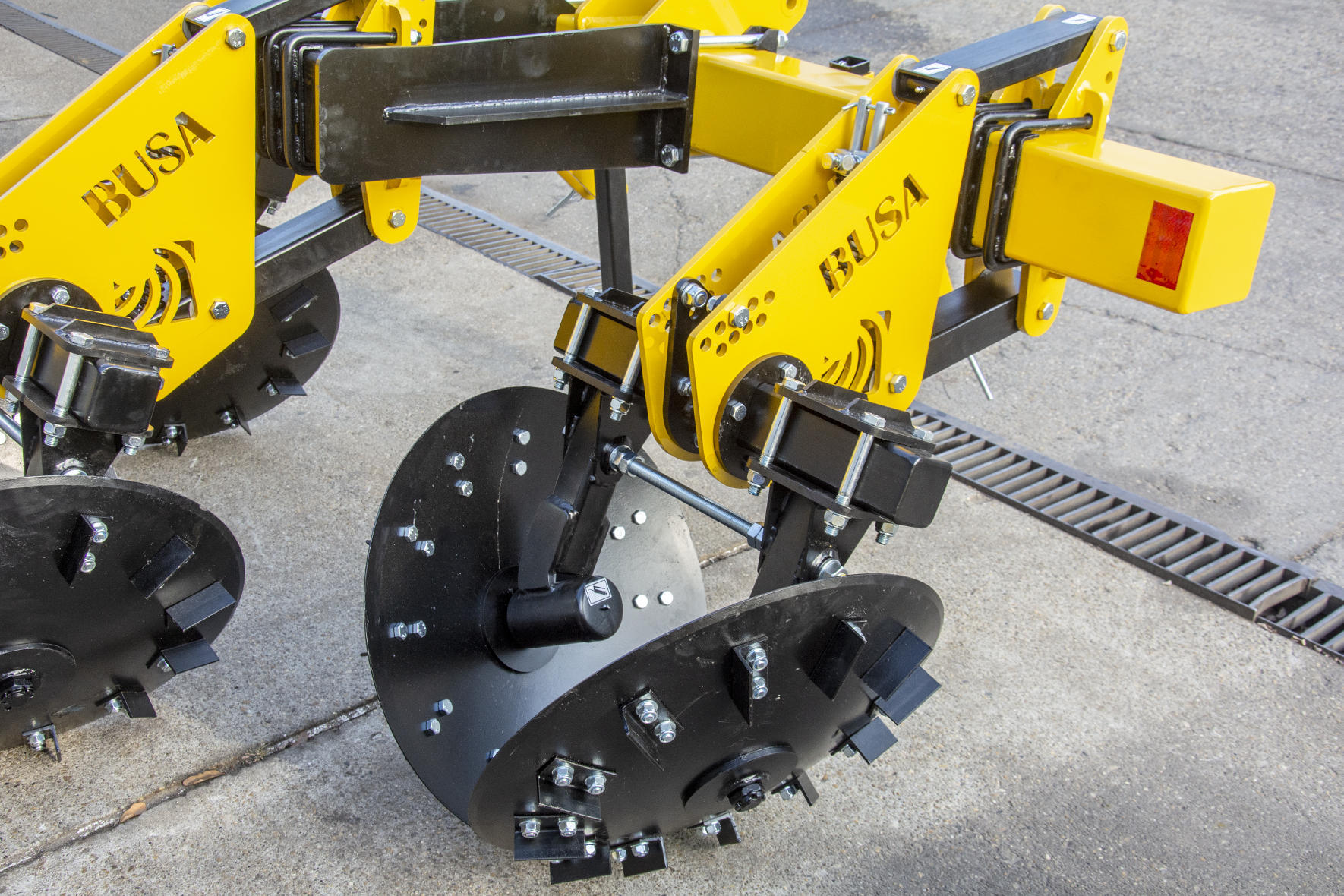
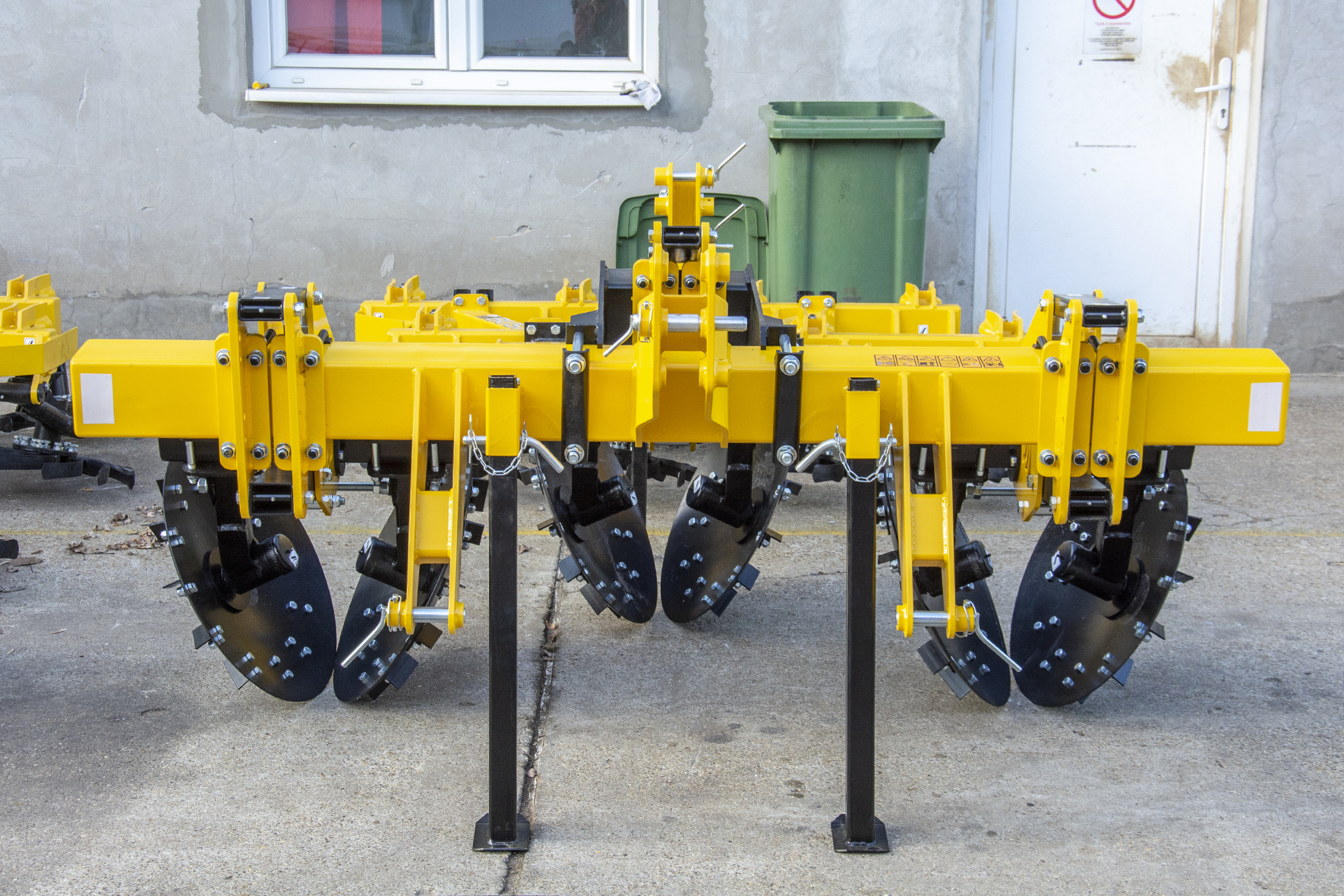
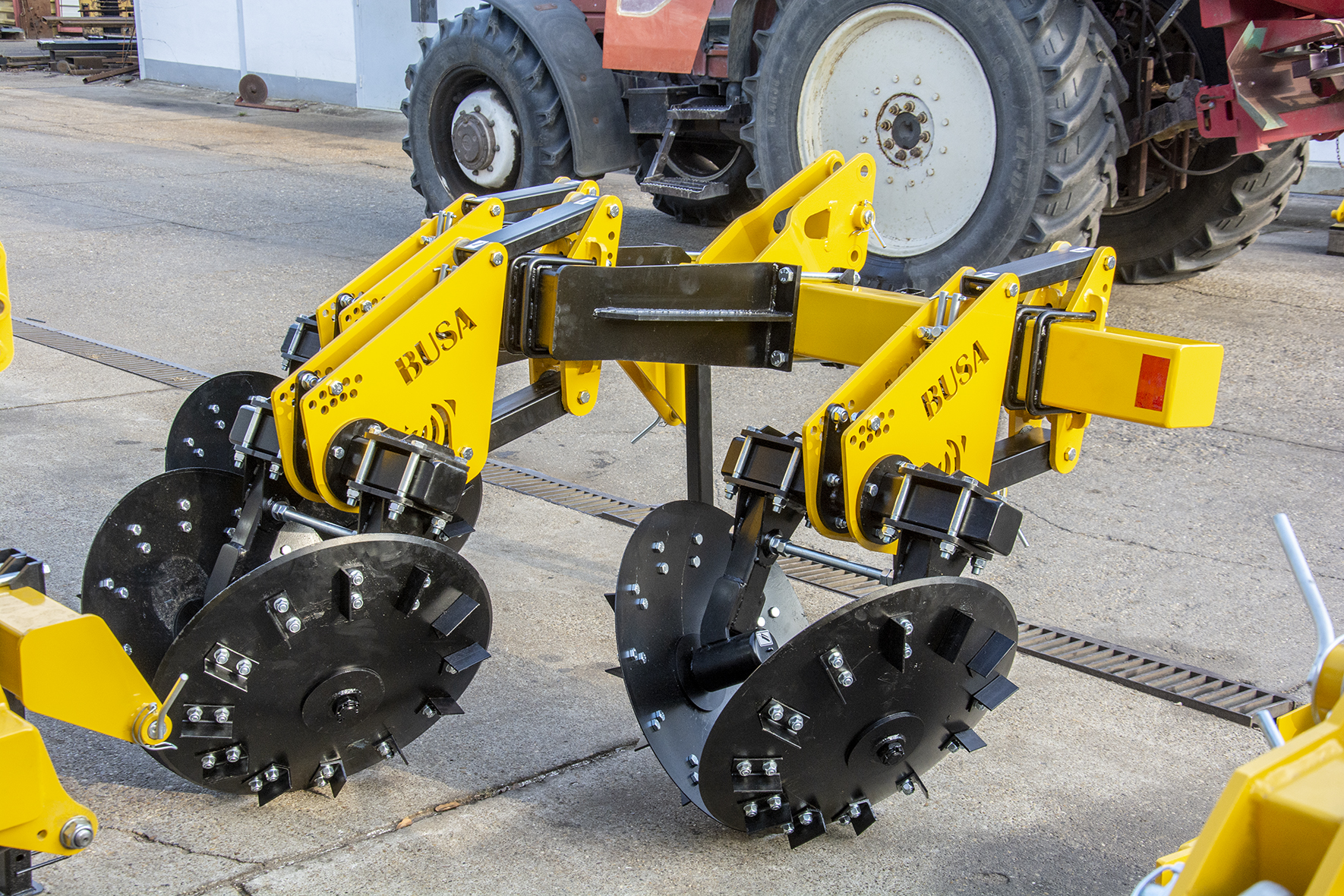
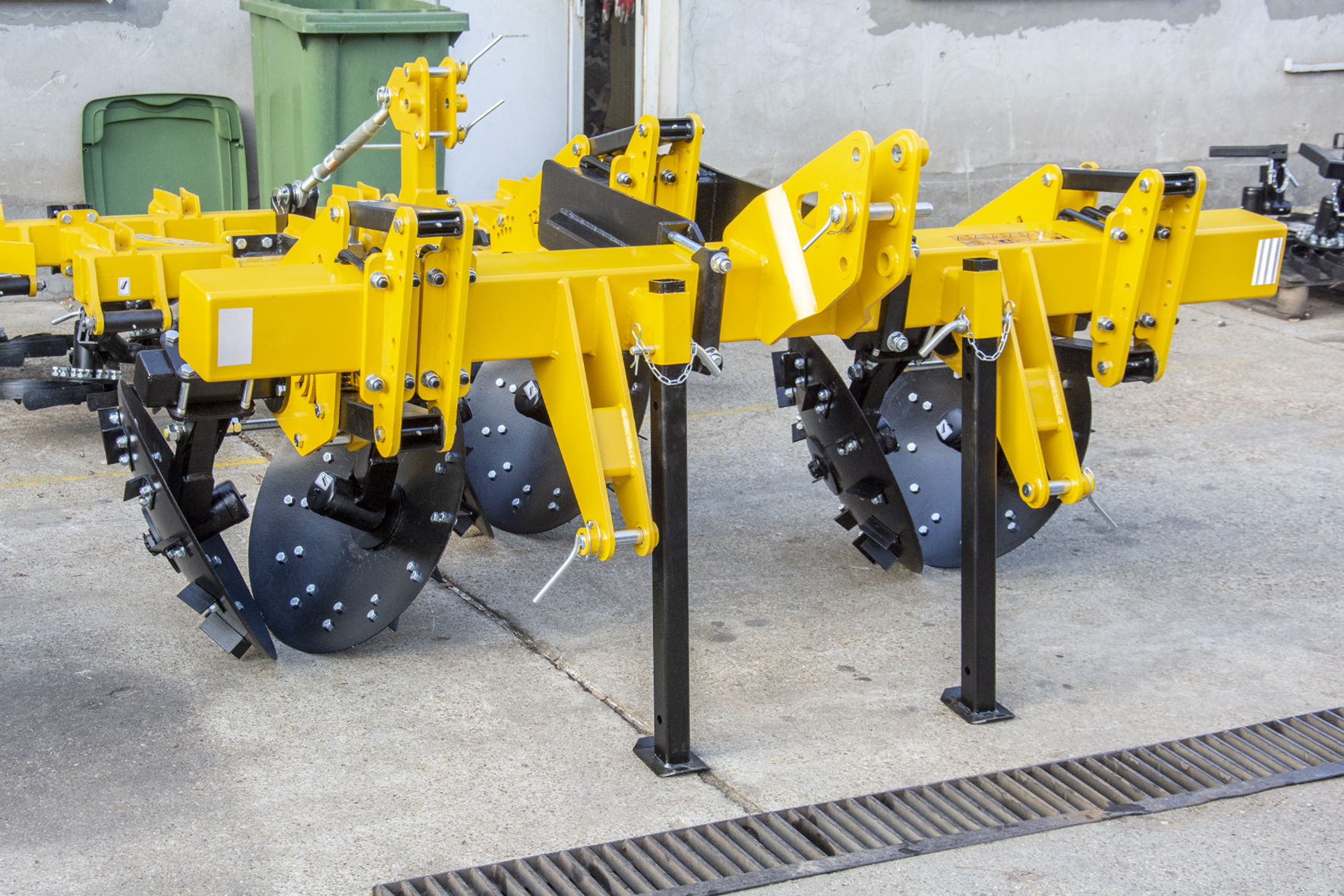
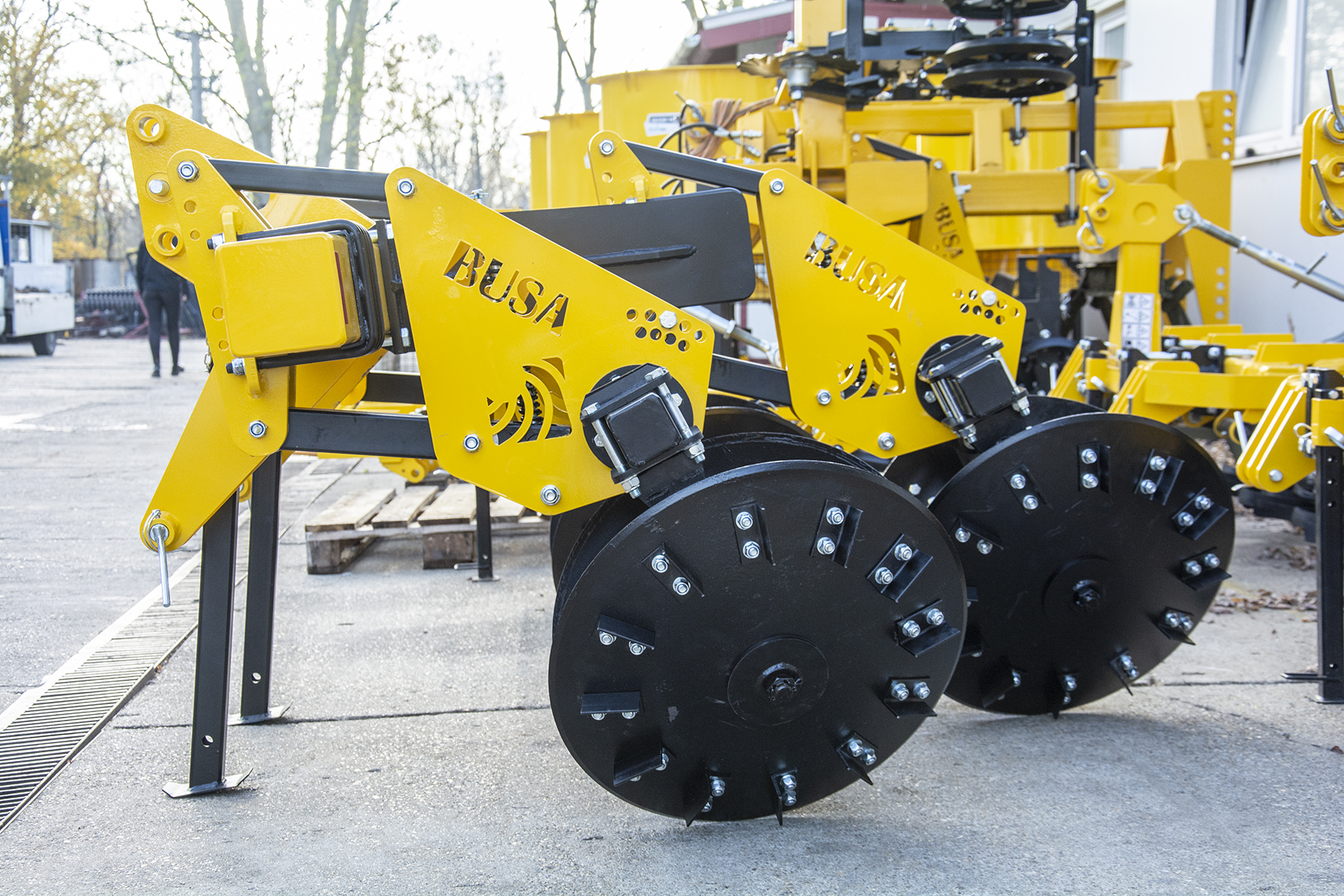
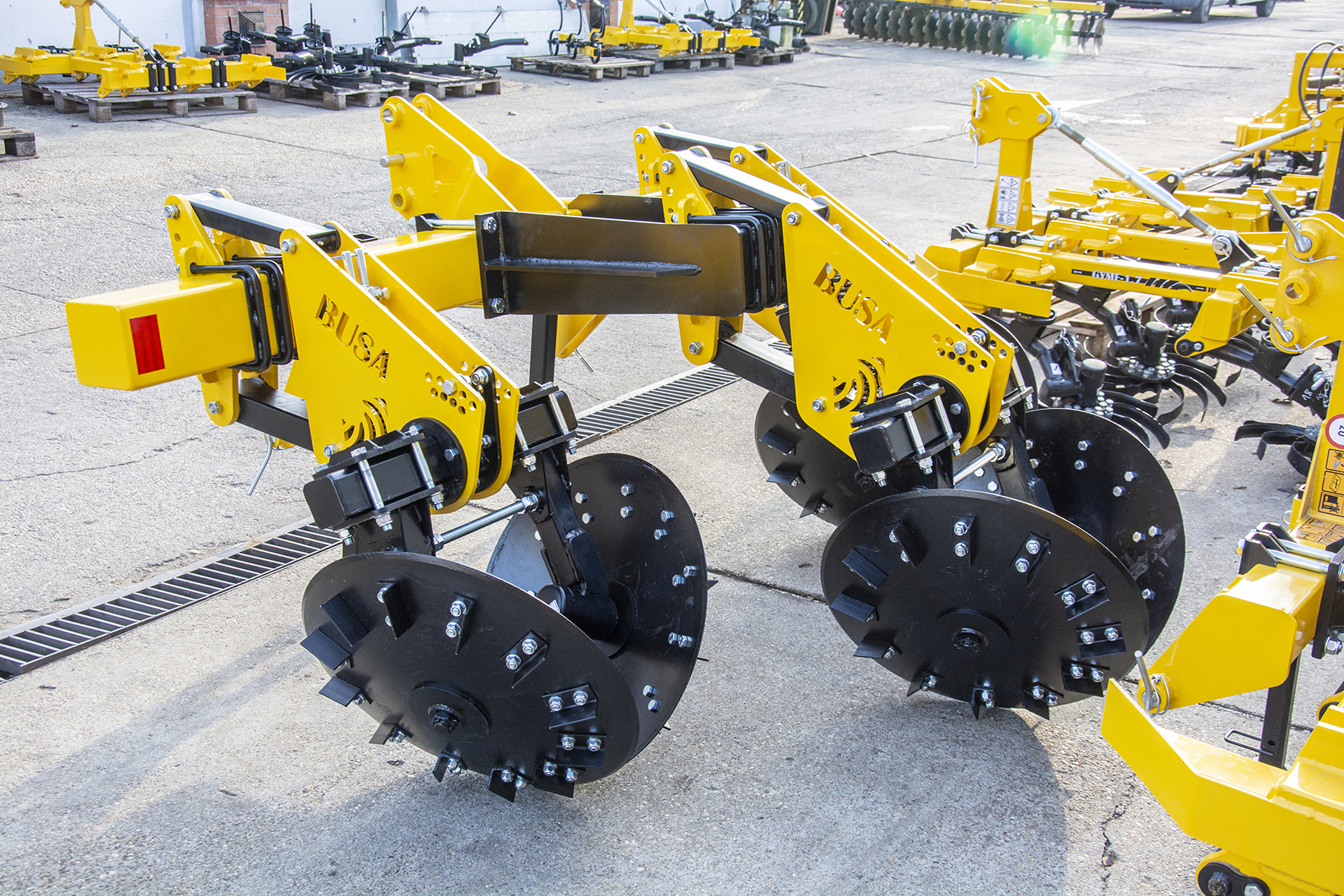
This special machine has been specifically developed for the mechanical removal of stubble residues and root balls from corn and sunflower stubble. The machine’s two, angled discs use an aggressive “snapping” motion to tear the root ball out of the soil, minimizing soil disturbance while preparing the area for the next sowing.
The use of the StalkPuller is essential in technologies where the root system remaining on the surface would hinder the work of precision seeders or provide a hiding place for pests. The row spacing of the machine and the inclination angle of the discs are infinitely adjustable, so the intensity of the work can be adjusted to the given soil conditions and crop, ensuring a clean seedbed.
For farmers who find root balls left on stubble hindering precision seeding.
For those who want to reduce the number of pests overwintering in the soil with a mechanical solution.
For growers who work with Min-Till (reduced tillage) technology and want to keep the seedbed clean with minimal soil disturbance.